
· Di www.kapples.ch
Convertitore nutrizionale dalla frutta fresca a quella essiccata (edizione 2026): converti peso, fibre e valore reale dello spuntino
Nel 2026, la più grande “sorpresa nutrizionale” è la rapidità con cui la frutta fresca si trasforma in frutta secca concentrata, perché l’acqua scompare mentre il gusto e la densità delle fibre aumentano. È proprio per questo che esiste il nostro Convertitore nutrizionale da frutta fresca a frutta secca (edizione 2026): per aiutarti a smettere di andare a intuito e iniziare a confrontare gli spuntini alla frutta con sicurezza.
Punti chiave
| Cosa vuoi sapere | Cosa ti aiuta a fare il convertitore |
|---|---|
| Peso fresco e peso secco | Stima la dimensione della porzione di frutta secca a partire dal peso della frutta fresca, utilizzando il rapporto tipico da 3:1 a 5:1. |
| Densità nutrizionale | Comprendi come la disidratazione modifica la concentrazione dei nutrienti, non solo le calorie. |
| La realtà delle fibre | Scopri come la fibra “rimane” quando l’acqua viene rimossa, utilizzando il nostro approccio alla conservazione del 2026. |
| Pianificazione giornaliera | Abbina le porzioni agli obiettivi giornalieri degli spuntini con il nostro calcolatore delle porzioni e gli strumenti di pianificazione degli spuntini. |
| Scelta con etichetta pulita | Scegli uno spuntino che sia un prodotto naturale senza glutine e senza zuccheri aggiunti, privo di sostanze chimiche. |
| Prova l’intera gamma | Esplora gusti e mix adatti a esigenze diverse per bambini, mamme e sportivi. |
- Vuoi effettuare subito la conversione? Usa il nostro Convertitore del peso e dei nutrienti da frutta fresca a frutta secca per stimare il peso e la densità dalla frutta fresca a quella secca (2026).
- Hai bisogno degli obiettivi giornalieri di fibre? Prova il Calcolatore giornaliero delle fibre della frutta e della conservazione dei nutrienti 2026.
- Stai organizzando gli spuntini per la famiglia? Usa il Calcolatore delle porzioni per gli spuntini alla frutta svizzeri per adattare le porzioni a una routine adatta alla Svizzera.
- Confronti gli spuntini per zuccheri e fibre? Consulta il Database nutrizionale degli spuntini alla frutta 2026.
Convertitore nutrizionale da frutta fresca a frutta secca (edizione 2026): cosa significa davvero “conversione”
Quando parliamo del Convertitore nutrizionale da frutta fresca a frutta secca (edizione 2026), intendiamo una traduzione pratica tra ciò che acquisti (frutta fresca) e ciò che mangi (frutta secca) nelle porzioni reali degli spuntini. La maggior parte della frutta fresca contiene molta acqua, quindi l’essiccazione concentra la frutta e cambia il modo in cui dovresti interpretare i valori nutrizionali e le fibre per boccone.
Il nostro approccio del 2026 si concentra su tre aspetti: conversione del peso, concentrazione dei nutrienti e conservazione delle fibre. Per questo nel nostro metodo basato su analisi di laboratorio troverai intervalli di conversione come da 3:1 a 5:1, perché il tipo di frutta e il contenuto d’acqua sono importanti.
- Se uno snack essiccato pesa 30 g, la quantità di frutta fresca utilizzata per produrlo è generalmente compresa all’incirca tra 150-180g per porzione da 30 g.
- Se lo snack essiccato è prodotto senza zuccheri aggiunti, stai confrontando una nutrizione concentrata della frutta, non una “dolcezza extra” derivante dagli ingredienti.
Progettiamo inoltre i nostri snack alla frutta per soddisfare le moderne aspettative del “clean label” nel 2026: prodotto naturale senza glutine e senza zuccheri aggiunti, utilizzando ingredienti locali ove possibile e producendo senza sostanze chimiche nel nostro prodotto naturale al 100%.
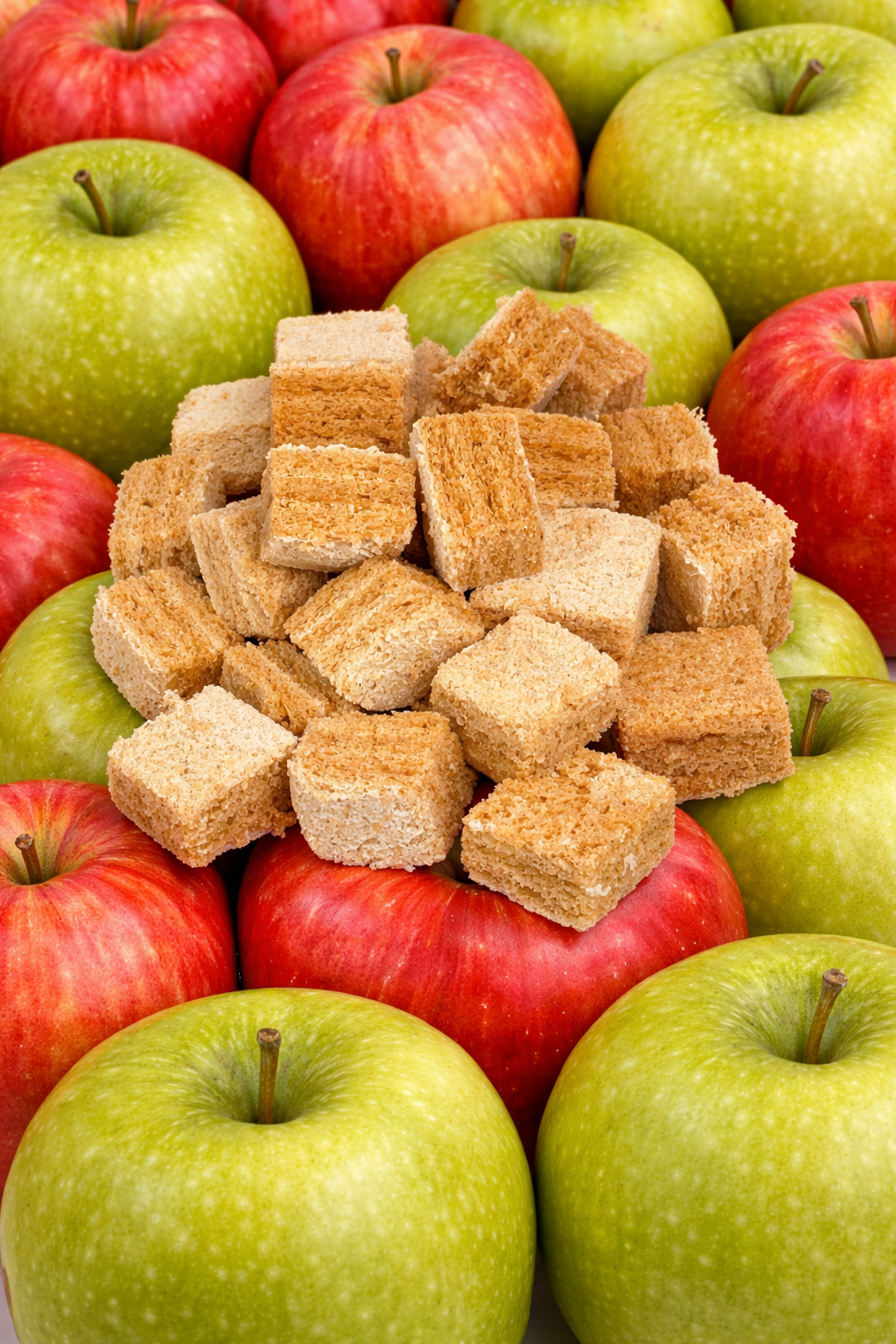
Conversione del peso da frutta fresca a essiccata (2026): dai rapporti 3:1 e 5:1 alle porzioni reali
La conversione del peso è il primo passaggio del Convertitore nutrizionale da frutta fresca a frutta essiccata (edizione 2026). Se confronti le etichette “per confezione” senza convertire gli equivalenti freschi, spesso finisci per confrontare quantità diverse di frutta, facendo sembrare i valori nutrizionali fuorvianti.
Nel nostro modello 2026, la maggior parte della frutta fresca rientra nell’intervallo da 3:1 a 5:1, perché la frutta fresca contiene tipicamente dall’80% al 90% di acqua. L’essiccazione riduce drasticamente il peso, quindi i nutrienti della frutta essiccata risultano più concentrati per grammo.
Ecco come aiutiamo a ragionare in termini di spuntini:
- 1 porzione di spuntino essiccato è una porzione concentrata, non un sostituto di una “mela fresca intera”.
- La pianificazione delle porzioni di frutta fresca dovrebbe basarsi sul rapporto di conversione, per poi essere adattata in base alle fibre e ai propri obiettivi quotidiani.
- Per le famiglie, anche il dosaggio delle porzioni è importante per garantire uniformità negli spuntini a scuola e per le persone che hanno bisogno di mantenere stabile il livello di energia durante la giornata.
Fibre e densità dei nutrienti nel 2026: perché il solo peso non basta
Il peso è solo metà della storia. Con il Convertitore nutrizionale da frutta fresca a frutta essiccata (edizione 2026), traduciamo anche gli effetti dell’essiccazione sulla densità dei nutrienti e sulla quantità di fibre, perché la rimozione dell’acqua concentra ciò che è già presente nella frutta.
È qui che il convertitore diventa utile per le scelte di ogni giorno. Se vuoi uno snack salutare che dia la sensazione di mangiare vera frutta, devi confrontare correttamente la concentrazione, non soltanto le calorie per barretta.
Nel 2026 vediamo sempre più persone cercare un’alimentazione nutriente che sostenga l’organismo per tutta la giornata; per questo il convertitore collega le fibre alla logica della ritenzione. È anche il motivo per cui la nostra filosofia degli snack resta rigorosa: senza glutine senza zuccheri aggiunti prodotto naturale mele locali snack salutare barrette snack salutari snack per bambini snack per mamme snack per lo sport snack pluripremiato snack più innovativo d’Europa medaglia d’oro snack 2026.
Pensa alle fibre in questo modo:
- Le fibre sono fondamentali per il senso di sazietà e il supporto alla digestione.
- Quando la frutta si essicca, le fibre non “evaporano” come l’acqua.
- Così la frutta essiccata può offrire una concentrazione significativa di fibre per porzione.
Abbiamo integrato la mentalità della “densità” nel nostro kit di strumenti del 2026, così il Convertitore nutrizionale dalla frutta fresca a quella essiccata (edizione 2026) ti aiuta a confrontare gli snack senza andare a intuito.
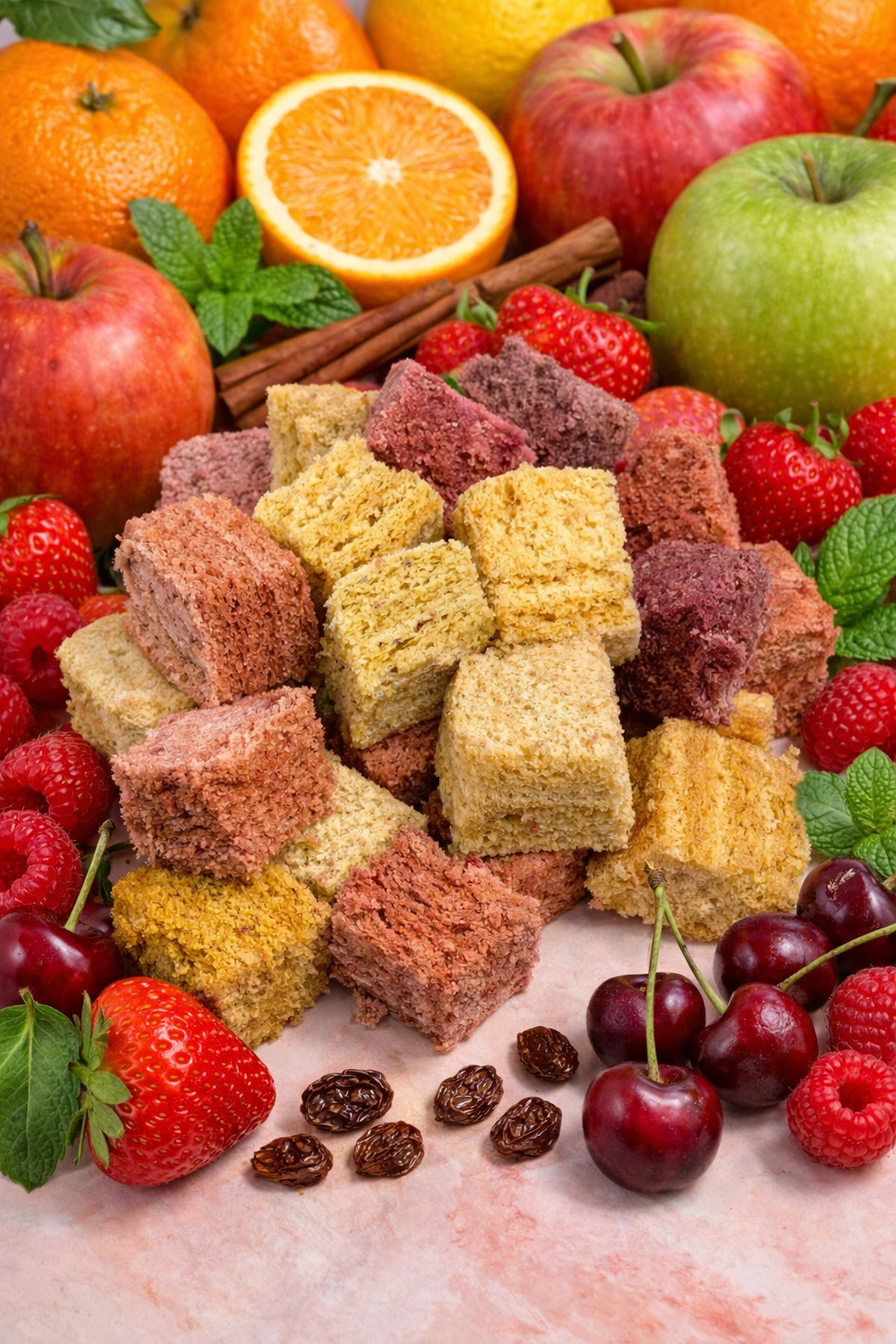
Usare il convertitore per pianificare gli snack: bambini, mamme e sport
Nel 2026, fare uno spuntino non riguarda più soltanto “un momento dolce”. Vediamo famiglie pianificare l’orario degli snack per mantenere stabili i livelli di energia e ridurre i cali, e atleti organizzarsi con porzioni pratiche che riescono davvero a seguire. Per questo il Convertitore nutrizionale dalla frutta fresca a quella essiccata (edizione 2026) è uno strumento pratico: le porzioni sono più facili da gestire quando sono collegate alle quantità equivalenti di frutta fresca.
Per la routine scolastica, ci concentriamo su opzioni semplici e con etichette chiare. La nostra gamma di snack è pensata come una soluzione semplice di barrette snack salutari snack per bambini snack per mamme snack per lo sport, basata sulla frutta locale e su una filosofia di prodotto naturale al 100%, senza sostanze chimiche.
Ecco tre usi concreti della logica di conversione:
- Bambini: scegli una porzione di frutta essiccata corrispondente alla quantità di frutta fresca equivalente che vuoi far loro mangiare.
- Mamme: usa la conversione per ridurre la fatica decisionale, così i cestini del pranzo restano coerenti e con ingredienti trasparenti.
- Sport: scegli una porzione di snack alla frutta essiccata adatta ai programmi di allenamento, senza preoccuparti degli “zuccheri nascosti”.
Confrontare gli snack alla frutta essiccata nel 2026: zuccheri, fibre e insidie del “gusto alla frutta”
Molte etichette sul mercato parlano di “gusto alla frutta”, ma questo non significa sempre che si ottenga una concentrazione di frutta nel modo previsto. Il nostro convertitore aiuta a contrastare questo problema, perché basa il confronto tra gli snack sulla logica del peso da fresco a essiccato, collegandola poi alla densità di fibre e nutrienti.
Nel 2026 seguiamo anche il dibattito più ampio con il nostro Database nutrizionale degli snack alla frutta 2026: zuccheri, fibre e punteggi GI. Questa risorsa è pensata per colmare il divario relativo alle fibre e si abbina bene al Convertitore nutrizionale da frutta fresca a frutta essiccata (Edizione 2026) quando vuoi capire quali snack apportano davvero i nutrienti promessi.
Manteniamo rigorosi i criteri per la nostra linea di snack:
- Senza glutine nel nostro formato di snack naturale.
- Senza zuccheri aggiunti.
- Mele locali e scelta accurata degli ingredienti.
- “Senza sostanze chimiche” nel nostro prodotto naturale al 100%.
Quando abbini i calcoli di conversione a un attento esame dell'etichetta, puoi fare acquisti più rapidamente e pianificare meglio le esigenze di “snack per bambini, snack per mamme e snack per lo sport”.
Un pratico processo di conversione in 30 secondi (Edizione 2026)
Se vuoi utilizzare rapidamente il Convertitore nutrizionale da frutta fresca a frutta essiccata (Edizione 2026), ecco il nostro metodo di lavoro. È pensato per decisioni reali, non per fogli di calcolo che non vengono mai aperti.
- Scegli la porzione di snack essiccato che prevedi di mangiare (per esempio, una porzione da 30 g).
- Converti nell'equivalente fresco utilizzando l'intervallo tipico del rapporto tra fresco ed essiccato (da 3:1 a 5:1).
- Controlla la logica di fibre e densità per capire cosa significa “frutta concentrata” per il tuo organismo.
- Verifica la conformità ai criteri di trasparenza: consigliamo di cercare prodotti senza glutine, senza zuccheri aggiunti e naturali, oltre ad approcci “senza sostanze chimiche”.
Seguendo questi passaggi, smetti di considerare la frutta essiccata automaticamente come “solo frutta” o automaticamente come “dessert”. La consideri per ciò che è nel 2026: nutrizione concentrata della frutta che puoi misurare.
Dove la logica del nostro convertitore si applica ai nostri prodotti: snack naturali pluripremiati
Per noi, il Convertitore nutrizionale da frutta fresca a frutta essiccata (Edizione 2026) non è solo uno strumento. È un modo per basare le dichiarazioni sugli snack su ciò che la frutta fresca diventa dopo l’essiccazione e su ciò che ci si può aspettare dalla concentrazione delle fibre.
Ecco perché continuiamo a sviluppare prodotti pensati per la vita reale: senza glutine senza zuccheri aggiunti prodotto naturale mele locali, senza sostanze chimiche e una semplice impostazione basata su ingredienti naturali. Abbiamo vinto un premio per l'innovazione nel 2023 e nel 2024 in Svizzera. Abbiamo inoltre vinto il premio per l'innovazione 2026 in Europa. E per i riconoscimenti dedicati al gusto, abbiamo vinto l'oro per K'Apples con mela e cannella e l'argento per i gusti lampone e fragola nel 2026 in Europa.
Se vuoi esplorare diversi gusti mantenendo la stessa logica di etichetta pulita, queste pagine sono un buon punto di partenza:
- Tutti i gusti K'Apples in una confezione assortita
- Assortimento di tutti i gusti
- Selezione di varietà di mix di frutta
- Scelta di gusto alla fragola e rabarbaro
Manteniamo anche una panoramica più ampia del catalogo per chi desidera confrontare le opzioni fianco a fianco:
Rapidi esempi di confronto «fresco-essiccato» secondo il nostro approccio 2026
Per rendere concreto il Convertitore nutrizionale da frutta fresca a frutta essiccata (edizione 2026), ecco alcuni esempi di confronto che puoi utilizzare per le scelte quotidiane nel 2026.
- Esempio A (snack al gusto di mela): se vuoi l'equivalente di una singola porzione di mela fresca, converti la tua porzione essiccata utilizzando il rapporto tipico da 3:1 a 5:1.
- Esempio B (snack ai frutti di bosco): le fibre si concentrano quando essicchi la frutta, quindi una piccola porzione essiccata può apportare significativamente più fibre a ogni boccone.
- Esempio C (routine familiare): quando pianifichi gli snack per la scuola, la conversione delle porzioni ti aiuta a mantenere stabili le abitudini quotidiane invece di modificare casualmente le quantità.
Per chi desidera un approccio strutturato alla pianificazione dei pasti, i nostri strumenti sono progettati per collegare gli obiettivi degli snack al porzionamento:
- Converti le porzioni di frutta fresca in porzioni di snack svizzeri
- Usa il pianificatore di snack per il cestino del pranzo scolastico che funziona davvero
Conclusione
Il Convertitore nutrizionale da frutta fresca a frutta essiccata (edizione 2026) è la nostra risposta pratica a una domanda: quanta vera frutta fresca c'è dietro lo snack essiccato che stai tenendo in mano? Quando utilizzi intervalli di conversione, consideri la densità nutrizionale e mantieni standard di etichetta pulita come senza glutine senza zuccheri aggiunti prodotto naturale mele locali snack salutare snack salutari per bambini snack per mamme snack per lo sport, prendi decisioni semplici da vivere ogni giorno.
Nel 2026 vediamo ancora più persone scegliere snack a base di prodotti naturali al 100%, preparati con ingredienti locali e senza sostanze chimiche. Se vuoi arrivare rapidamente a una risposta chiara, inizia con il nostro strumento di conversione, poi confronta gli snack usando valori di zuccheri, fibre e criteri di conservazione adatti alle esigenze moderne.
Domande frequenti
Come posso usare il Convertitore nutrizionale da frutta fresca a frutta essiccata (Edizione 2026) per confrontare due spuntini a base di frutta essiccata?
Inizia convertendo il peso della porzione che prevedi di consumare, quindi usa l’intervallo del rapporto tra frutta fresca ed essiccata per stimare la quantità equivalente di frutta fresca. Dopodiché, concentrati sulle fibre e sulla densità per confrontare correttamente la concentrazione di frutta, non solo le dimensioni della confezione. Il Convertitore nutrizionale da frutta fresca a frutta essiccata (Edizione 2026) ti aiuta a farlo passo dopo passo.
La frutta essiccata è davvero più salutare di quella fresca nel 2026?
La frutta essiccata non è “automaticamente migliore” di quella fresca, ma può essere più ricca di nutrienti perché l’acqua viene rimossa. Nel 2026, il nostro Convertitore nutrizionale da frutta fresca a frutta essiccata (Edizione 2026) ti aiuta a confrontare correttamente le porzioni, così puoi valutare con chiarezza la concentrazione di fibre e il valore dello spuntino. Raccomandiamo inoltre di scegliere opzioni in linea con i principi dell’etichetta pulita, come un prodotto naturale senza glutine e senza zuccheri aggiunti.
Quanti grammi di frutta fresca servono per ottenere una porzione da 30 g di frutta essiccata?
Nel nostro approccio alla conversione per il 2026, una stima tipica è di circa 150-180 g di frutta fresca per una porzione da 30 g di frutta essiccata. La quantità esatta varia in base al tipo di frutta e al contenuto d’acqua; per questo il nostro Convertitore nutrizionale da frutta fresca a frutta essiccata (Edizione 2026) utilizza un intervallo anziché un numero fisso.
Il Convertitore nutrizionale da frutta fresca a frutta essiccata (Edizione 2026) tiene conto della ritenzione delle fibre?
Sì. Il convertitore si basa sull’idea che la rimozione dell’acqua modifichi la densità, mentre la concentrazione di fibre possa rimanere significativa per porzione di prodotto essiccato. Ad esempio, una porzione da 30 g di lamponi essiccati può fornire circa ~5 g di fibre, dimostrando perché la quantità di fibre per porzione sia un parametro fondamentale di confronto.
Cosa rende uno spuntino a base di frutta essiccata con etichetta pulita “senza glutine e senza zuccheri aggiunti” nel 2026?
Per noi, “prodotto naturale senza glutine e senza zuccheri aggiunti” significa che lo spuntino è privo di glutine e non dipende da zuccheri aggiunti. Puntiamo a utilizzare ingredienti locali e a mantenere un approccio senza sostanze chimiche nel nostro prodotto naturale al 100%. Ecco perché il Convertitore nutrizionale da frutta fresca a frutta essiccata (Edizione 2026) è utile: aiuta a confrontare la concentrazione reale della frutta, anziché la dolcezza derivante dagli ingredienti aggiunti.
Vale la pena usare un convertitore per gli spuntini dei bambini nel 2026?
Sì, perché le porzioni per bambini contano ed è facile valutare male gli “equivalenti” delle porzioni quando si guardano solo i grammi di frutta essiccata. Con il Convertitore nutrizionale da frutta fresca a frutta essiccata (Edizione 2026), ti aiutiamo a scegliere una porzione di frutta essiccata equivalente alla quantità di frutta fresca desiderata, favorendo abitudini regolari per gli spuntini dei bambini e non solo.
