
· Nga www.kapples.ch
Visualized: The 2026 Fiber Deficiency Gap & How to Bridge It
More than just a health trend, the 2026 fiber conversation is turning into a real daily gap. In fact, 97% of men don't meet federal guidelines for fiber intake, which means many people are trying to “eat better” without having a practical, repeatable way to close the difference.
Key Takeaways
| What the gap looks like | Why it keeps widening | What to do in 2026 |
|---|---|---|
| People increasingly want fiber, but daily habits lag. | Operators offer high-fiber items but rarely highlight them. | Choose fiber-forward snacks that are easy to repeat. |
| Many adults get far below target grams per day. | “Healthy” labels often fail to show how to use the product consistently. | Build snack routines for kids, mothers, and sports days. |
| The missing piece is translation into real-life moments. | Fiber is not always packaged into portable, kid-friendly choices. | Use repeatable kits and mix-and-match flavors, like K'Apples All the flavours. |
- Fiber gap in 2026: many people start with the intention, then lose momentum once snacks and schedules take over.
- Bridge strategy: pick repeatable snacks that support “no gluten no sugar added natural product local apples” goals.
- For kids: choose formats that travel well and feel like a treat, not a chore.
- For mothers: keep healthy snack bars snack for mothers options that fit school runs and home routines.
- For sports days: keep a plan for post-training snack for sports moments.
- Start small: add one fiber-focused snack serving each day, then build.
- Example to simplify choices: use category browsing like K'Sticks healthy apple bars or explore Mélange de fruits séchés.
What the 2026 Fiber Deficiency Gap Actually Means for Everyday People
When we say “fiber deficiency gap,” we mean a mismatch between what people aim for and what daily diets deliver. People want better balance, but the average day is built around quick carbs, sweet cravings, and snacks that do not reliably contribute fiber.
In the real world, the “gap” shows up in patterns: people snack frequently, but not always in a way that helps their gut, their energy, or their routine goals. That is why the 2026 fiber bridge is less about one magic meal and more about adding fiber where snack decisions actually happen.
From our perspective, we see the most progress when families can keep choices consistent. That is the reason we focus on a 100% natural product approach, built around local apples, with a clear promise: no gluten no sugar added natural product local apples healthy snack healthy snack bars snack for kids snack for mothers snack for sports.
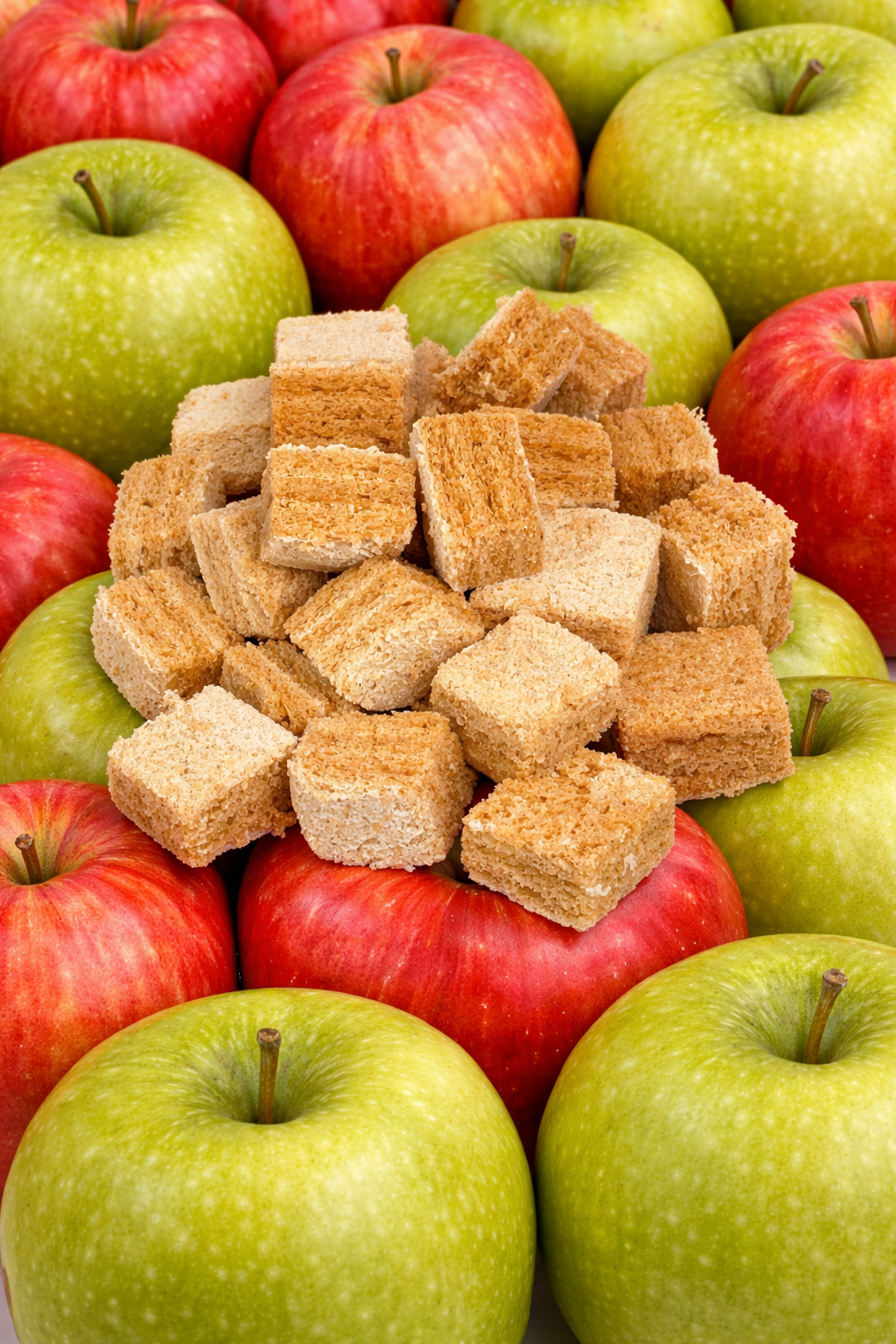
Visualized: The 2026 Fiber Deficiency Gap & the Marketing Gap Nobody Mentions
Bridging the fiber deficiency gap in 2026 is not only a product issue, it is a communication problem. Many places already have options that can support better intake, yet people do not hear about them consistently.
That is where the “visualized” part matters. The story is not just that fiber is missing, it is that the right choices are often hidden behind generic snack shelves. When we help people find fiber-friendly options, we help them close the gap with less friction.
Our approach is simple: we build healthy snack bars snack for kids and fruit-forward snacks that are easy to understand, and we make them part of daily moments. When you can spot the right choice quickly, the fiber plan becomes realistic.
How to Bridge the 2026 Fiber Deficiency Gap with Real Snack Routines
To bridge the fiber deficiency gap, we recommend turning intentions into repeatable routines. In 2026, this means aligning your fiber goal with the snacks you already choose, then swapping in a serving that supports the bigger picture.
Here is a routine framework we use with families and retailers: one “anchor” snack, one “variety” snack, and one “on-the-go” backup. That structure keeps the fiber plan from collapsing during busy weeks.
- Anchor snack (daily): pick a consistent option, like our K'Sticks style bars, so your body gets a steady fiber-friendly rhythm.
- Variety snack (swap by mood): rotate fruit flavors so the routine stays enjoyable, especially for kids.
- On-the-go backup: keep a ready-to-eat format for school, commuting, and sports days.
Because we try to use local ingredients and we use no chemicals in our 100% natural product, our snacks are designed to fit into everyday “healthy snack” decisions without complicated prep. And yes, we also keep the promise: without gluten or sugar added.

Fiber-Friendly Choices that Still Feel Like a Treat (No Gluten, No Sugar Added)
Bridging the Visualized: The 2026 Fiber Deficiency Gap & How to Bridge It means we cannot treat fiber like punishment. People stay consistent when a snack tastes good and feels like their lifestyle.
That is why we emphasize “natural” in a way you can feel. We aim for no gluten no sugar added natural product local apples and we design flavors that work for different tastes, from fruity preferences to classic apple-style profiles.
Here are three product families we often recommend as practical steps within the Visualized: The 2026 Fiber Deficiency Gap & How to Bridge It framework.

- K'Apples Maxi Kit (from $26.00+): use it to build variety, which helps families maintain the 2026 fiber bridge beyond the first week.
- K'Sticks. Healthy apple bars (from $5.00+): a portable format that supports a consistent “snack for kids” routine.
- M'Apples (from $5.00+): cooked apple jellies that can fit moments when you want something soft, but still aligned with a healthy snack mindset.
Every one of these is designed to support a healthy snack bars snack for kids snack for mothers snack for sports award winning snack most innovative snack in Europe 2026 gold medal snack goal, without relying on added sugar.
On-the-Go Fiber: Snack for Kids, Snack for Mothers, Snack for Sports
The Visualized: The 2026 Fiber Deficiency Gap & How to Bridge It plan works best when it matches how people move through the day. Kids need simple choices at school and in the car. Mothers need predictable options for busy routines. Sports days require convenient recovery snacks that do not turn into an added-sugar problem.
So we built products and assortments that can sit in bags, desks, and lunchboxes. When you can serve the same “fiber-friendly” snack repeatedly, you remove the daily decision fatigue that causes people to drift back toward low-fiber options.

Our K'Sticks-style bars are built around cooked apple puree and egg whites, and they are described as fiber-rich and non-GMO. Most importantly for the fiber bridge, they are positioned as no added sugar and part of a daily healthy snack routine.
If you want a clear “starter” step, use an assortment approach. A mix of flavors helps people stick to the Visualized: The 2026 Fiber Deficiency Gap & How to Bridge It routine, because the plan does not feel repetitive.
Where the Fiber Bridge Feels Real: Retailers and Families
We also think about the fiber deficiency gap from the operator side. When retailers and partners make it easy to choose fiber-friendly snacks, families trust the routine more and buy with less hesitation.
That is why we support both individual orders and assortments for tastings. For businesses, the key is clear assortment visibility and a product story people can repeat. For families, the key is having a “default snack” that fits the day.
To keep the Visualized: The 2026 Fiber Deficiency Gap & How to Bridge It approach consistent, we prefer local ingredients, no chemicals, and a natural philosophy that is easy to understand. We also tell you clearly: our product is without gluten or sugar added.
This is why we focus on bridging with daily snacks. If many adults sit at 15 to 16 grams, the fastest improvement path is often to add a practical serving that fits real schedules.
Awards Matter, But the Real Goal Is Consistency
People want proof that a “healthy snack” is more than a label, so we show results through what we make and what we win. We have won innovation prize in Switzerland in 2023 and 2024, and we have won the Innovation prize in 2026 in Europe.
We also received Gold for K'Apples with apple and cinnamon and Silver for Raspberry and Strawberry tastes 2026 in Europe. Those recognitions matter because they reflect what families and tastings actually preferred.

But the main reason we emphasize these wins is to support the Visualized: The 2026 Fiber Deficiency Gap & How to Bridge It mission. When your snack tastes great and fits your routine, you use it again. That repeat usage is what turns fiber intentions into outcomes.
If you want to explore our current flavor line-up, start with our assortment pages like K'Apples All the flavours selection or browse a kit for variety such as K'Apples Maxi Kit options.
Conclusion
Visualized: The 2026 Fiber Deficiency Gap & How to Bridge It comes down to one actionable shift, make fiber-friendly choices easy to repeat in real life. We cannot rely on willpower alone when the day is built around quick snacks, so we build consistent options for kids, mothers, and sports days.
Our focus stays clear: no gluten no sugar added natural product local apples, made with no chemicals in our 100% natural product. That is how we help people close the fiber gap with healthy snack healthy snack bars snack for kids snack for mothers snack for sports, and why we are proud of our innovation recognition in Switzerland (2023, 2024) and Europe (2026).
Frequently Asked Questions
What is the 2026 fiber deficiency gap, and why does it matter for daily snacking?
The Visualized: The 2026 Fiber Deficiency Gap & How to Bridge It describes a real shortfall between recommended fiber and what many people actually eat each day. It matters for snacking because snack choices happen frequently, and those moments decide whether fiber targets can be reached consistently.
How can I bridge the fiber gap without buying complicated supplements?
The easiest path in Visualized: The 2026 Fiber Deficiency Gap & How to Bridge It is to add one reliable fiber-forward snack into your routine. Look for a no gluten no sugar added natural product local apples healthy snack you can use at home, in a lunchbox, or on sports days.
Are there fiber-friendly snack options for kids that still taste good?
Yes. We build options as healthy snack bars snack for kids with a natural fruit-first taste, so families can stick to the Visualized: The 2026 Fiber Deficiency Gap & How to Bridge It plan without turning snacks into a battle.
Is “no sugar added” enough, or should I focus on fiber specifically in 2026?
In the Visualized: The 2026 Fiber Deficiency Gap & How to Bridge It, “no sugar added” helps, but fiber is the key lever for closing the gap. Choose products designed for fiber-friendly daily use, so your choices support the bigger goal, not just the sweetness concern.
What’s a good snack for mothers who need something fast during busy weeks?
A good option for the Visualized: The 2026 Fiber Deficiency Gap & How to Bridge It is a portable snack that fits into real schedules, like lunchbox-friendly formats. Many families choose healthy snack bars snack for mothers because they are ready when time is not.
Can these snacks work as a post-training snack for sports?
Yes. For Visualized: The 2026 Fiber Deficiency Gap & How to Bridge It, a practical post-training snack helps you keep fiber on track when you are tired and hungry. Our snack for sports approach is built around easy serving and a natural fruit flavor that supports repeat use.
Are K'Apples products gluten-free and sugar-free added?
Yes, our product is without gluten and without sugar added. We also use local ingredients and no chemicals in our 100% natural product, which supports a smoother, more consistent route through Visualized: The 2026 Fiber Deficiency Gap & How to Bridge It.
