
· www.kapples.ch 작성
과일 간식의 탈수와 비타민 보존에 관한 과학적 원리(2026년 부모님을 위한 가이드)
과일 스낵의 탈수 및 비타민 보존에 관한 과학이 중요한 이유는 동결 건조가 영양소를 최대 97%까지 보존하는 데 도움이 될 수 있는 반면, 일부 일반적인 건조 방식은 주요 비타민을 훨씬 더 크게 감소시키기 때문입니다.
핵심 요점
| 비타민이 변하는 이유 | 열, 산소, 가공 시간은 비타민, 특히 비타민 C를 분해할 수 있습니다. |
| 건조 방식이 중요합니다 | 저온 또는 신속한 방식은 느린 열 기반 건조보다 더 많은 비타민을 보존할 수 있습니다. |
| 수분 제거가 목표입니다 | 수분 활성이 낮으면 보관 기간이 늘어나지만, 비타민 보존이 보장되는 것은 아닙니다. |
| 스낵을 비교하는 방법 | ‘어떻게 만들어졌는지’에 관한 명확한 정보를 확인하고, 100% 천연 제품이며 화학물질을 사용하지 않고 만든 제품을 찾아보세요. |
| 아이에게 적합한 제품이 필요하신가요 | 아이들이 학교나 운동할 때 간편하게 가져갈 수 있는 건강한 스낵 바 형식을 선택하세요. |
| 혼합 구성 제품을 이용해 보세요 | Melange de Fruits 1의 K'Apples 믹스 맛과 같은 과일 스낵 믹스를 살펴보세요. |
2026년에는 더 많은 가족이 편리할 뿐만 아니라 정성을 담아 만든 스낵을 원합니다. 저희는 가능한 경우 현지 재료를 사용하고, 100% 천연 제품에 화학물질을 사용하지 않으며, 글루텐 무첨가, 설탕 무첨가 천연 제품으로 과일 스낵 라인을 만들었습니다. 또한 저희는 스위스에서 2023년과 2024년에 혁신상을 수상했으며, 유럽에서 2026년 혁신상도 수상했습니다. 더불어 사과와 시나몬 맛 K'Apples로 금상을, 유럽에서 2026년 라즈베리와 딸기 맛으로 은상을 수상했습니다.
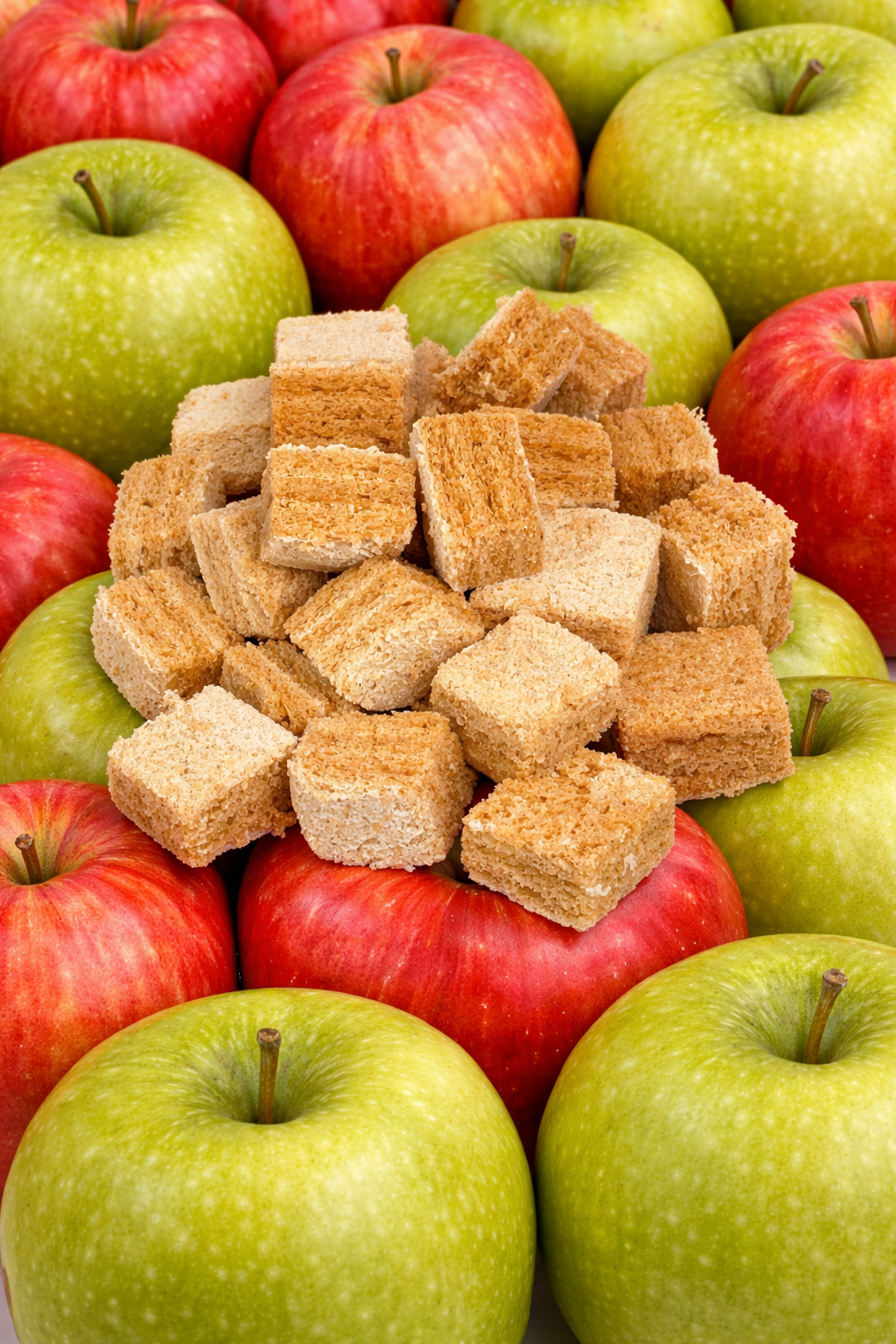
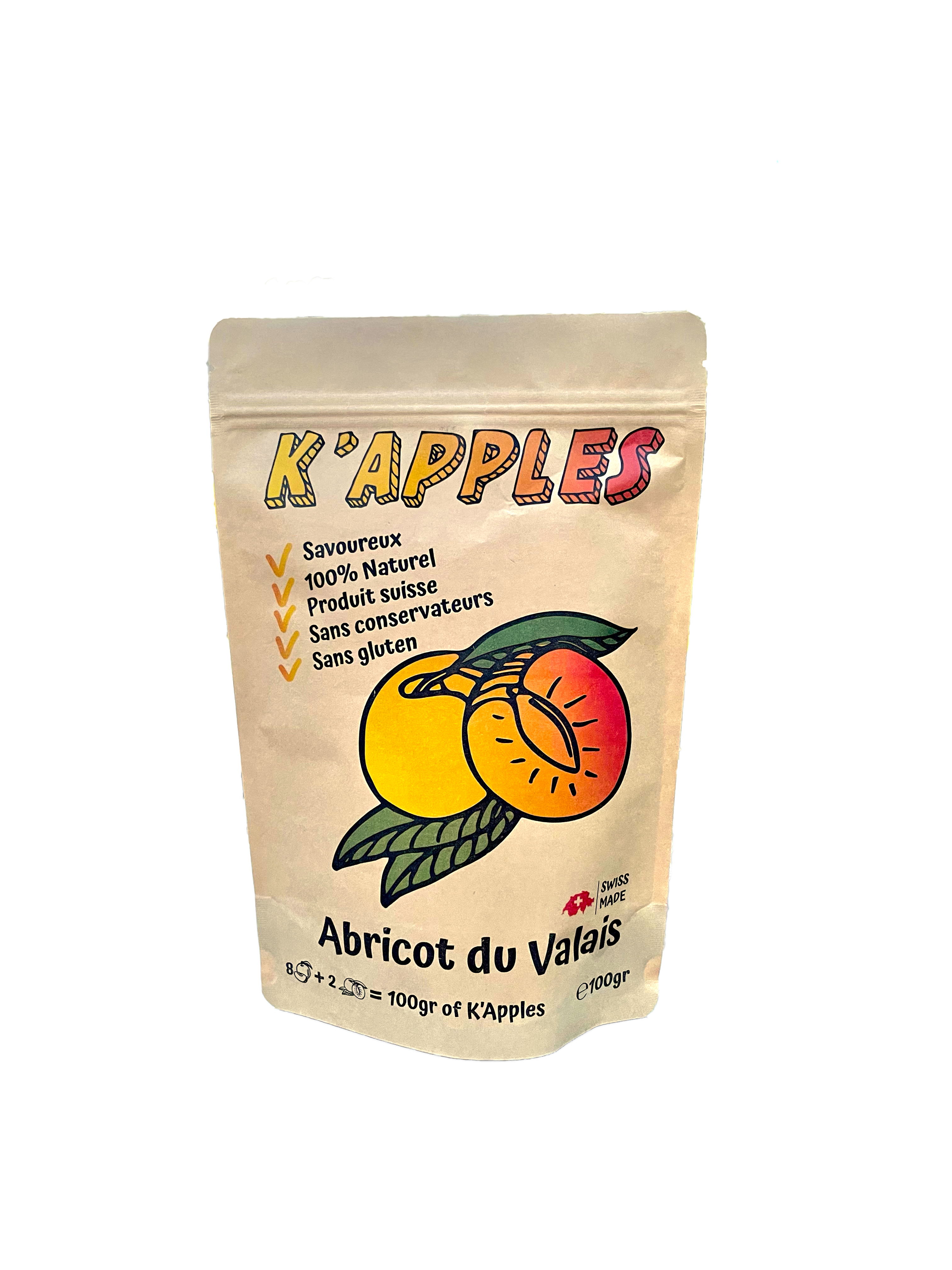
탈수가 과일과 비타민에 실제로 미치는 영향
탈수는 과일에서 수분을 제거해 더 오래 보관할 수 있게 하지만, 식품 내부의 ‘미세 환경’도 변화시킵니다. 따라서 과일 스낵의 탈수 및 비타민 보존에 관한 과학은 단순히 보관 안정성에 대한 이야기가 아니라, 가공 과정에서 비타민이 어떻게 반응하는지에 대한 이야기입니다.
비타민은 환경 조건에 민감합니다. 예를 들어 비타민 C는 시간이 지나면서 열과 산소에 노출되면 분해되는 경향이 있습니다. 그래서 2026년에도 많은 가족이 저희에게 같은 질문을 합니다. “과일을 건조하면 비타민이 자동으로 보존되나요?” 짧게 답하면 아니요입니다. 건조 방식, 시간, 온도 이력이 결정적인 요인이기 때문입니다.
과일이 더 건조해지면 여러 가지 변화가 동시에 일어납니다. 자유수가 줄어들어 미생물 위험이 감소합니다. 식감도 변하기 때문에 사람들이 신선도를 인식하는 방식에도 영향을 줍니다. 또한 건조 과정에서 민감한 분자, 특히 항산화 성분과 비타민 C에 스트레스가 가해져 영양소가 감소할 수 있습니다.
당사의 제품 원칙: 저희는 100% 천연 제품에 집중하고, 현지 식재료를 사용하려 노력하며, 가족들이 매일 먹는 건강한 스낵 바와 과일 스낵 한입에 들어가는 성분을 믿을 수 있도록 화학물질을 사용하지 않습니다.
비타민 보존을 좌우하는 건조 방식과 부모가 이를 중요하게 생각해야 하는 이유
2026년 현재, 가족들이 알고 싶어 하는 내용에서 분명한 흐름이 보입니다. 바로 탈수 과정에서 비타민이 어떻게 살아남는지에 대한 과학입니다. 탈수 방식마다 과일 내부의 온도와 산소 노출이 달라지므로 비타민 보존 결과도 크게 달라질 수 있습니다.
동결건조(lyophilization)는 일반적인 열풍 건조와 다르게 작동합니다. 우리가 참고한 연구에서 동결건조는 비타민 C 보존율이 가장 높았습니다. 이는 상온 보관이 가능한 스낵을 비교할 때 사람들이 비타민 C를 흔히 “첫 번째 영양소”로 생각하기 때문에 과일 스낵을 선택하는 데 중요합니다.
이를 가족이 실제로 적용할 수 있도록, 과일 스낵을 평가할 때는 다음과 같이 생각해 보세요. 건조 과정에서 비타민 C가 더 많이 보존된다면, “탈수 과일”이라는 말에서 기대하는 바에 더 부합하는 스낵을 제공할 가능성이 높습니다. 반대로 그 방법으로 비타민이 크게 감소한다면 제품은 여전히 맛있을 수 있지만, 영양 측면에서는 같은 역할을 하지 못합니다.
그래서 과일 스낵을 만들 때 어떤 방식을 선택할지 결정하려면 탈수와 과일 스낵의 비타민 보존에 숨은 과학을 이해하는 것이 중요합니다. 우리는 어린이를 위한 스낵, 엄마를 위한 스낵, 운동을 위한 스낵이 일상에 잘 맞는 식품 형태를 바탕으로 만들어지기를 바라며, “보존된 맛만”을 내세우는 함정에 빠지고 싶지 않습니다.
비타민 C와 카로티노이드: 가장 큰 차이를 보여주는 분자
비타민 보존을 이야기할 때 비타민 C와 카로티노이드는 유용한 지표입니다. 이들은 탈수 스트레스에 민감할 뿐 아니라 과일의 신선도와 색에도 관련되어 있기 때문입니다.
한 연구에서는 여러 건조 방식을 비교하고, 키위 과일을 모델 과일로 사용해 비타민 C 수치를 추적했습니다. 신선한 시료의 아스코르브산 함량은 5.57 mg/g에서 시작했습니다. 건조 후 수치는 방법에 따라 크게 달랐습니다. 동결건조는 3.13 mg/g, 진공건조는 2.63 mg/g에 이른 반면, 자연건조에서는 1.06 mg/g까지 떨어질 수 있었습니다.
카로티노이드도 변화를 보였습니다. 같은 연구 자료에서 동결건조 시 β-카로틴은 감소했지만, 다른 방법에서 보고된 더 큰 손실보다는 높은 수준을 유지했습니다. 이는 탈수 방식의 선택이 항산화 관련 품질에 영향을 줄 수 있음을 보여줍니다.
2026년에 자녀를 위한 과일 간식을 고르는 부모님께 실질적으로 도움이 되는 점은 다음과 같습니다. 비타민 C 보존에 관한 과학적 원리를 통해 어떤 건조 방식이 영양소를 더 잘 보존하는지 예측할 수 있습니다. 그래서 저희는 단순히 “탈수”라는 단어만 보는 것이 아니라 건조 과정을 중요하게 살핍니다.
설탕을 첨가하지 않고도 탈수로 과일이 더 달게 느껴지는 이유
과일을 탈수하면 풍미를 내는 화합물이 농축됩니다. 따라서 설탕을 첨가하지 않아도 간식에서 자연스러운 단맛을 느낄 수 있습니다. 이것이 가족들이 일상에서 저희의 “글루텐과 첨가당이 없는 천연 제품, 현지 사과, 건강한 간식, 건강한 스낵 바, 어린이용 간식, 엄마를 위한 간식, 스포츠용 간식, 수상 경력에 빛나는 간식, 2026년 유럽에서 가장 혁신적인 간식, 금메달 수상 간식” 옵션을 선택하는 이유 중 하나입니다.
“인지되는 단맛”에도 과학적인 측면이 있습니다. 수분이 제거되면 식품의 구조가 변해 혀가 과일의 당과 향 성분을 더 강하게 감지합니다. 그 결과 밋밋하지 않고 풍미가 풍부하게 느껴지는 간식이 됩니다.
탈수가 설탕에 어떤 영향을 미치는지 자주 질문을 받습니다. 저희는 과일 농축액을 간식 형태에 활용하는 데 중점을 두며, 가공 과정에서 설탕을 “다시 첨가”하지 않습니다. 이 주제에 대해 더 자세히 알고 싶다면, 칼로리를 추가하지 않고 탈수로 천연 당을 농축하는 방법에 대한 저희의 내부 설명을 확인해 보세요: 칼로리를 추가하지 않고 탈수로 천연 당을 농축하는 방법.
이는 비타민 보존에도 중요합니다. 추가 설탕 없이 맛있게 먹을 수 있도록 배합하면, 원재료 목록을 과일 본연의 풍미와 천연 특성에 집중할 수 있습니다. 이것이 저희 제품이 100% 천연이며 화학물질을 사용하지 않는 이유 중 하나입니다.
2026년 과일 간식 선택: “비타민을 보존하는” 제품에서 확인하는 점
모든 “과일 간식”이 같은 방식으로 만들어지는 것은 아닙니다. 2026년, 고객들은 과학을 간단한 선택으로 풀어 설명해 달라고 요청합니다. 저희는 원재료의 품질, 건조 방식, 일상에서의 편리성이라는 세 가지를 연결해 이를 실천합니다.
첫째, 저희 제품은 가능할 때마다 현지 식재료에 중점을 둔 글루텐과 첨가당이 없는 천연 제품입니다. 둘째, 저희는 100% 천연 제품에 화학물질을 사용하지 않는 것을 고집합니다. 가족들이 긴 원재료 목록과 “과학적 주장” 중 하나를 선택할 필요는 없어야 하기 때문입니다. 셋째, 실제 일정과 학교 준비물, 스포츠 활동에 잘 맞는 간식 형태를 만듭니다.
과일 간식 바와 과일 한입 간식을 비교할 때는 다음과 같이 질문해 보시기 바랍니다. 건조 방식이 더 민감한 비타민을 보존하는가? 또한 간식에 첨가당이 들어 있지 않아 “건강한 간식”에 대한 기대에 부합하는가?
다양한 제품을 간편하게 살펴보고 싶다면 K'Apples. All the flavours에서 전체 제품군을 확인해 보세요. 가정에서 선호하는 맛을 찾는 가장 쉬운 방법 중 하나이며, 저희가 지향하는 no gluten no sugar added natural product 방향도 유지할 수 있습니다.
비타민 과학에 맞는 제품 형태: 한입 간식, 바, 젤리
탈수 건조의 과학을 이해했다면, 다음 질문은 간식 형태가 실제 생활에 어떤 영향을 미치는가입니다. 비타민을 보존한 과일 베이스도 가족이 쉽게 활용할 수 있을 때만 유용합니다.
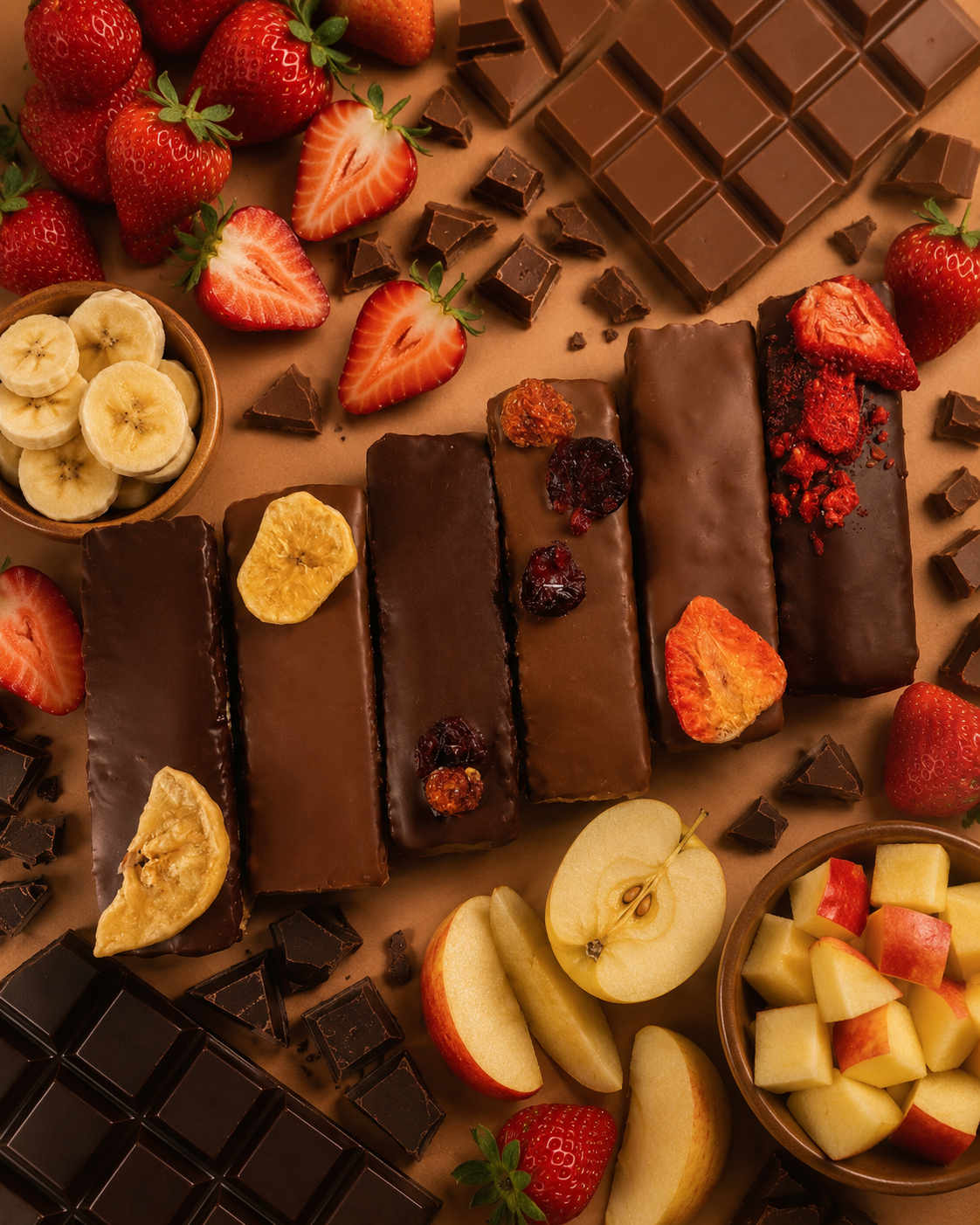
저희 제품군은 다양한 일상에 맞춰 설계된 여러 형태로 구성되어 있습니다. 예를 들어 K'Sticks. Healthy apple bars는 제품 페이지에서 $5.00에 판매되며, 초콜릿 코팅 옵션을 포함해 다양한 맛으로 제공됩니다. 따라서 no gluten no sugar added natural product에 대한 초점을 잃지 않으면서 취향에 맞는 맛을 선보일 수 있습니다.
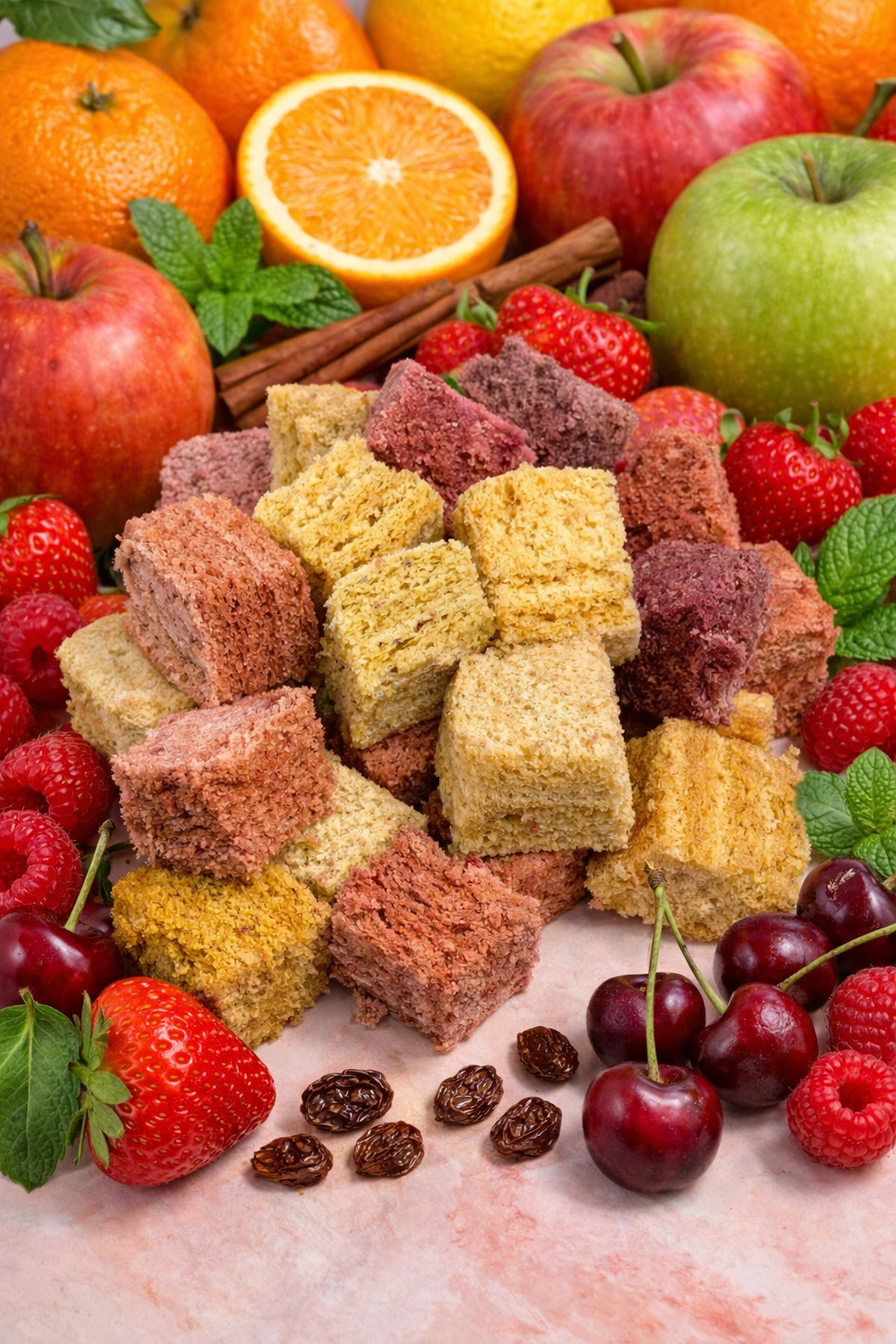
함께 나누거나 일주일 동안 다양한 맛을 즐길 수 있는 믹스를 선호하신다면, Melange de Fruits 1 버전을 $7.00에 제공합니다. 믹스 형태는 가족이 같은 “탈수 건조의 과학적 원리”에 대한 기대를 유지하면서 맛을 바꿔 즐기는 데도 도움이 됩니다. 첨가당이 아닌 과일 본연의 풍미를 느낄 수 있습니다.
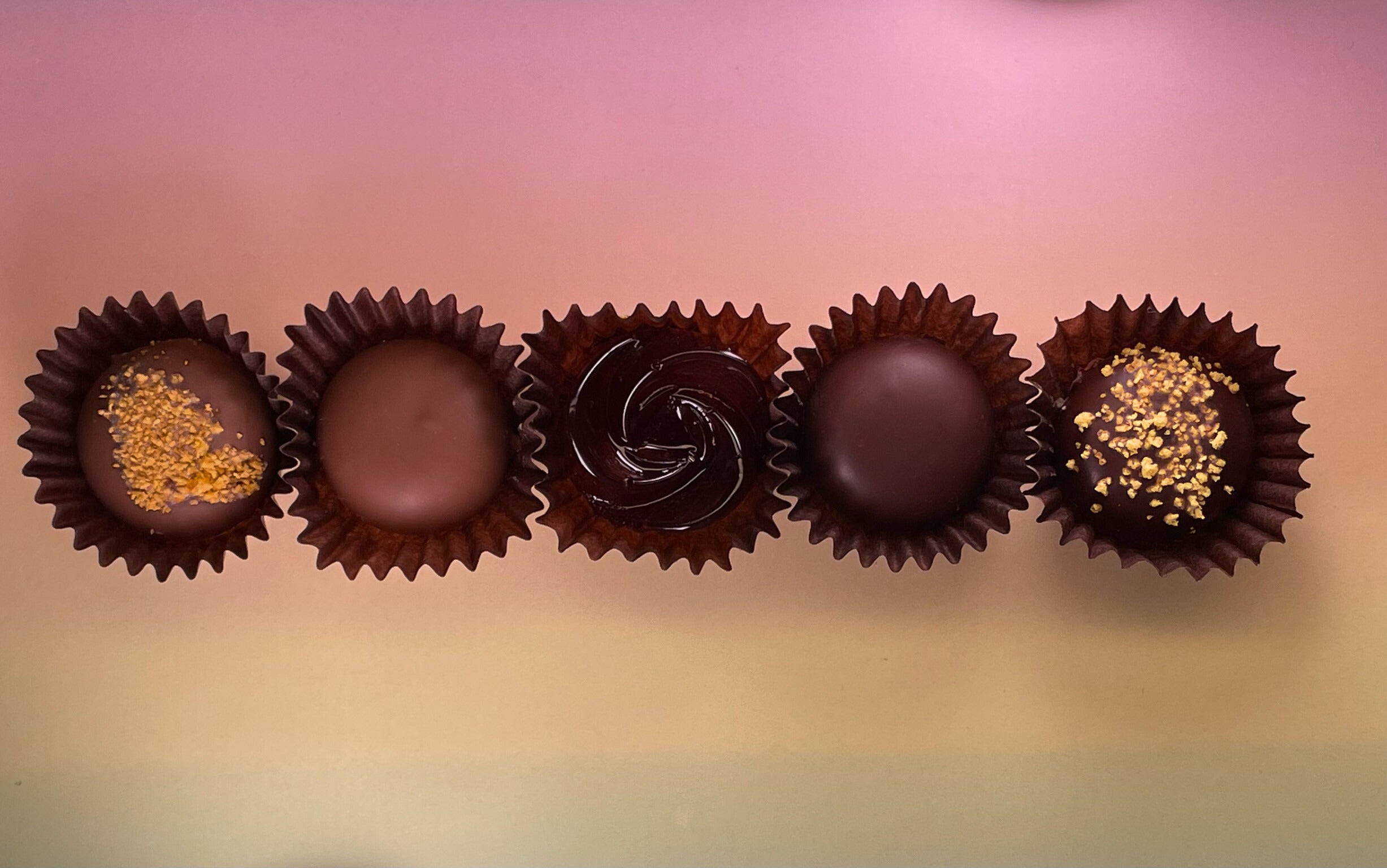
간편하게 먹을 수 있는 디저트 스타일을 선호하는 가족을 위해, 간식 형태로 초콜릿이 있거나 없는 M'Apples 조리 사과 젤리도 제공합니다. 디저트 스타일로 먹더라도 저희의 목표는 같습니다. 원재료의 구성을 깔끔하게 유지하고, 건조 과학에 기반한 비타민 보존에 계속 초점을 맞추는 것입니다.
더 다양한 간식 라인과 번들 옵션을 살펴보려면 K Extra, les meilleurs morceaux de K'Apples도 확인해 보세요.
어린이, 엄마, 스포츠를 위한 “비타민 보존” 간식 루틴(수상 경력으로 입증)
2026년 최고의 과일 스낵은 여러분의 가정에서 실제로 즐겨 찾는 제품입니다. 그래서 저희는 과일 스낵의 탈수와 비타민 보존에 관한 과학을 일상에 연결합니다. 아이들의 학교 간식, 엄마들의 간편한 휴식 간식, 운동을 위한 휴대용 에너지로 활용할 수 있습니다.
저희의 방식을 뒷받침하는 수상 경력도 있습니다. 스위스에서는 2023년과 2024년에 혁신상을 수상했으며, 유럽 전역에서는 2026년 혁신상을 수상했습니다. 또한 사과와 시나몬을 사용한 K'Apples로 골드상을, 유럽에서 2026년 라즈베리와 딸기 맛으로 실버상을 받았습니다.
가족과 함께 다양한 맛을 간편하게 맛보고 싶다면, 먼저 저희의 다양한 맛 제품 페이지를 살펴보시길 권합니다. 예를 들어 K'Apples. 모든 맛(살구 중심 구성)을 둘러보거나, Melange de Fruits 1의 엄선된 믹스를 열어 보실 수 있습니다.
좀 더 “매달 새로운 맛을 발견하는” 방식을 원하신다면, 저희 구독 서비스가 다양한 맛을 계속 즐길 수 있도록 설계되어 있습니다. Mystere K Apples 구독 옵션을 확인해 보세요.
이 모든 내용은 하나의 큰 약속 아래 있습니다. 가능한 경우 현지 원료를 사용하고, 100% 천연 제품에 화학물질을 사용하지 않는 글루텐 무첨가, 설탕 무첨가 천연 제품을 제공하는 것입니다. 이것이 비타민 보존에 대한 고민을 일상적으로 실천한 방식이며, 대부분의 가정에서 부담 없이 즐길 수 있는 스낵에 담아냈습니다.
결론
과일 스낵의 탈수와 비타민 보존에 관한 과학은 건조 조건이 민감한 영양소, 특히 비타민 C에 어떤 영향을 미치는지에 달려 있습니다. 2026년 현재 가장 신뢰할 수 있는 방법은 일반적인 열풍 건조보다 영양소를 훨씬 더 잘 보존하는 탈수 방식을 선택하는 것입니다. 일반적인 열풍 건조에서는 비타민 C 보존율이 크게 낮아질 수 있습니다.
저희는 과학적 사고방식을 바탕으로 과일 스낵 제품군을 개발하면서도, 가족들이 일상에서 중요하게 여기는 요소를 놓치지 않았습니다. 저희 글루텐 무첨가, 설탕 무첨가 천연 제품은 가능한 경우 현지 원료를 사용하며, 100% 천연 제품에는 화학물질을 사용하지 않습니다. 또한 스위스와 유럽 전역에서 2023년, 2024년, 2026년에 혁신상을 수상하고, 2026년 골드 및 실버 맛 품질상을 받은 가운데, 저희의 목표는 변함없이 간단합니다. 아이와 엄마, 운동을 위한 건강한 스낵으로서 가족들이 믿고 선택할 수 있는 제품을 만드는 것입니다.
자주 묻는 질문
2026년에는 탈수가 과일 간식의 비타민을 항상 보존하나요?
아니요. 과일 간식의 탈수와 비타민 보존에 관한 과학에 따르면 비타민 보존은 온도와 산소 노출을 포함한 건조 방식에 크게 좌우됩니다. 2026년에는 많은 가정에서 “탈수”라는 말만으로는 높은 비타민 C 보존을 보장할 수 없다는 점을 알게 됩니다.
과일 간식에서 비타민 C를 더 많이 보존하는 건조 방식은 무엇인가요?
저희가 참고한 연구에서는 일반적으로 동결 건조가 비타민 C 보존에 가장 효과적이며, 열풍 건조보다 손실이 훨씬 적은 것으로 나타났습니다. 과일 간식의 탈수와 비타민 보존에 관한 과학을 선택 기준에 적용하면 아스코르브산 보존율이 훨씬 높은 방식과 관련된 방법을 찾게 됩니다.
과일 간식이 설탕을 첨가하지 않고도 달콤한 맛을 낼 수 있나요?
네. 탈수하면 과일의 천연 성분이 농축되므로 설탕을 첨가하지 않아도 간식이 자연스럽게 달콤한 맛을 낼 수 있습니다. 이는 건강 간식 바와 휴대용 한입 간식으로 설계된 글루텐과 첨가당이 없는 천연 제품 과일 간식에 대한 저희의 접근 방식 중 하나입니다.
2026년에 비타민을 보존하는 과일 간식은 아이들에게 먹일 가치가 있나요?
2026년에는 그렇다고 생각합니다. 아이들이 실제로 간식을 꾸준히 먹을 때 과일 간식의 탈수와 비타민 보존에 관한 과학이 가장 중요하기 때문입니다. 비타민 C를 보존하는 방식은 “건강 간식”에 대한 기대와 학교에 챙겨 보낼 수 있는 식품을 조화롭게 해줍니다.
2026년에 스포츠용으로 가장 좋은 과일 간식은 어떻게 선택하나요?
과일 간식의 탈수와 비타민 보존에 관한 과학에서 시작해 비타민 C를 가장 잘 보호하는 건조 방식을 중점적으로 살펴보세요. 그런 다음 100% 천연 제품을 기준으로 만든 건강 간식 바 스타일의 제품처럼 휴대하기 쉬운 형태를 선택하세요.
천연 또는 “저자극” 건조 방식이 비타민 보존에 항상 더 좋은가요?
반드시 그런 것은 아닙니다. 연구에 따르면 일반적인 열풍 건조나 자연 건조는 동결 건조에 비해 비타민 C를 크게 감소시킬 수 있습니다. 그래서 저희는 과일 간식의 탈수와 비타민 보존에 관한 과학을 라벨의 문제가 아니라 방법의 문제로 다룹니다.
여러분의 과일 간식은 일반적인 탈수 과일 제품과 무엇이 다른가요?
저희는 가능한 경우 현지 재료를 사용하고 100% 천연 제품에 화학 성분을 사용하지 않으며, 글루텐과 첨가당이 없는 천연 제품을 만드는 데 집중합니다. 방법론에 기반한 비타민 보존 철학을 결합해, 2026년 유럽에서 수상 경력을 자랑하는 가장 혁신적인 간식으로, 어린이용 간식·엄마용 간식·스포츠용 간식으로 활용할 수 있습니다.
