
· By www.kapples.ch
How to verify 100% natural claims in Swiss food products
In 2026, “natural” still drives a big share of what people buy, even when the word can be vague, so How to verify 100% natural claims in Swiss food products really comes down to reading evidence, not marketing. Our approach is simple: we check what is written on-pack, what it implies scientifically, and whether it matches a trustworthy production story.
Key Takeaways
| What to verify | What “good proof” looks like |
| “100% natural” meaning | Clear wording, consistent ingredient list, no “natural” used to hide artificial additions |
| Ingredient transparency | Real ingredients with specific names, not vague flavoring references |
| Free-from claims | If a brand says “no gluten no sugar added natural product”, confirm the full label, including sweeteners and cross-contact notes |
| Origin and sourcing | Local fruit sourcing details and traceable supply chain language, not just a rural photo |
| Award and quality signals | Third-party recognition can help, but it must align with the ingredient reality on-pack |
| Where to start browsing | Use an “all flavours” page and compare multiple variants for consistency, for example K'Apples all flavours selection and K'Apples fruit mix 70g |
- Read the label like a checklist, not like a promise.
- Ask what “natural” implies in terms of processing and additives.
- Watch for “natural flavourings” and ambiguous ingredient names.
- Check free-from claims such as “no gluten no sugar added natural product”, including whether they match nutrition and ingredient details.
- Compare flavors across the same brand to spot inconsistencies.
- Use product pages as a consistency test, for example our K'Sticks healthy snack bars and M'Apples cooked apple jellies.
In Switzerland, consumers want clean ingredients and clear sourcing, and in 2026 the “natural” conversation is even more active. That means How to verify 100% natural claims in Swiss food products should be a practical habit: we look for evidence on the label, ingredient transparency, and production logic that holds up across variants.
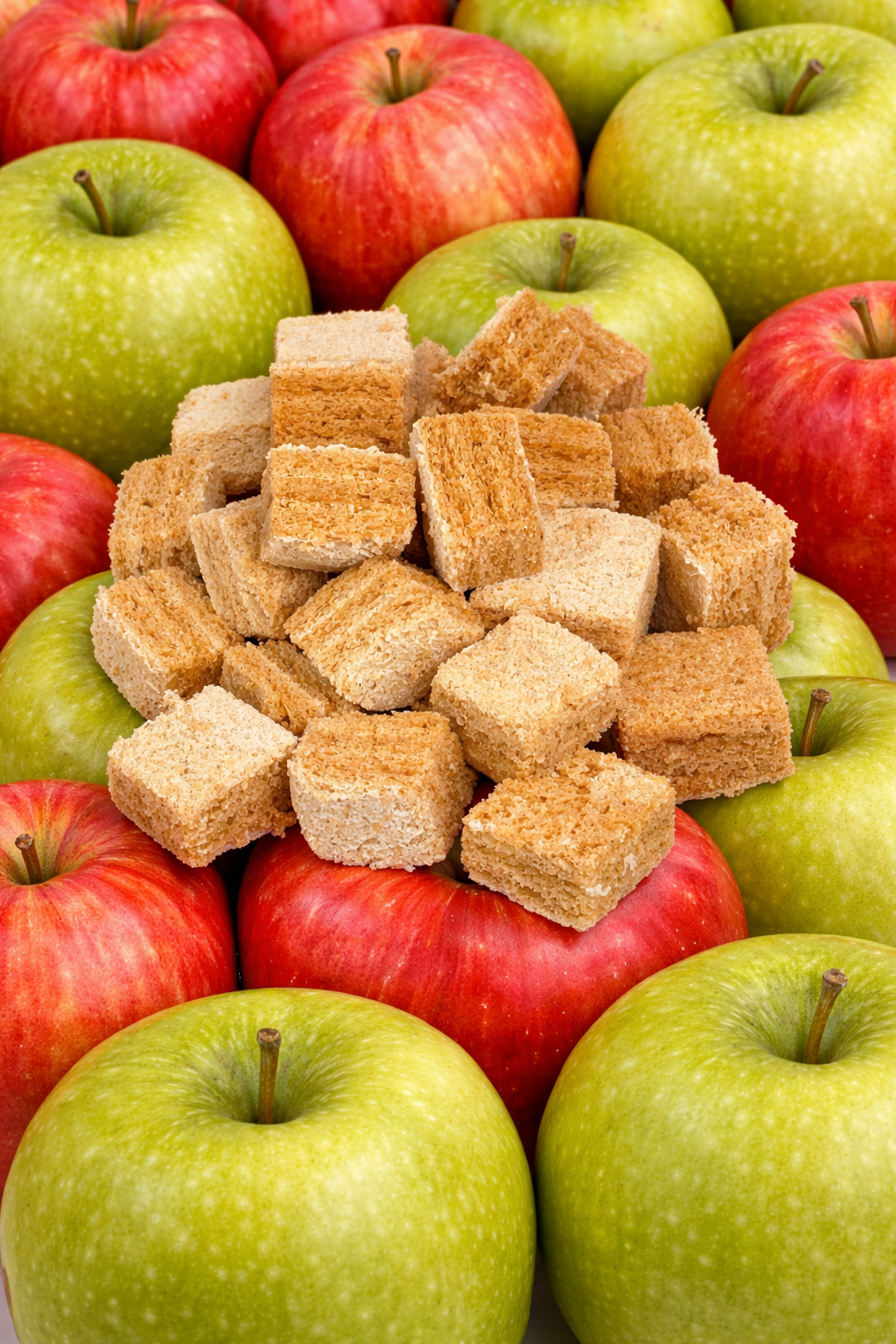
1) Start with what “100% natural” actually means on-pack
How to verify 100% natural claims in Swiss food products begins with definitions. When a brand says “100% natural”, we don’t treat it as a synonym for “healthy”, we treat it as a processing and ingredient claim that should align with the label’s real content.
One quick sign of legitimacy is consistency. If the product uses only a few core ingredients, that naturally makes the claim easier to justify. For instance, on our product pages, the ingredient story is designed to be simple and readable, and it supports “natural” language with a tight ingredient list and clear positioning as a no gluten no sugar added natural product.
Also pay attention to the surrounding phrasing. If a brand uses “natural” in combination with vague terms like “natural flavours” or “extracts” without naming what they are, we consider that a red flag and we verify further in the ingredients section.
2) Check the ingredient list for hidden “not-so-natural” workarounds
To verify How to verify 100% natural claims in Swiss food products, we scan for the exact words that matter most: added sugars, sweeteners, artificial additives, and processing aids that are not clearly explained. Even when a product is marketed as natural, the ingredient list tells the truth about what was added.
In practice, we look for three things:
- Specific ingredients, not vague categories. Names should describe what you are eating.
- Sweetness reality. If a product claims “no sugar added”, we confirm it does not include sugars or sweeteners in the ingredients.
- “Natural flavourings” clarity. Flavor systems should not be a substitute for accountability.
Our own positioning is explicit: we aim for an approach where our 100% natural product uses local ingredients and avoids chemicals, and we state that it is without gluten or sugar added. If another Swiss product makes a similar “100% natural” claim, we recommend using the same logic: evidence must show up in the ingredient list, not just in the front-of-pack line.
3) Verify “no gluten” and “no sugar added” like you mean it
Many shoppers start with an easier promise: a free-from claim. When we see no gluten no sugar added natural product wording, How to verify 100% natural claims in Swiss food products becomes less about interpretation and more about confirmation.
Here is our verification routine for these claims:
- Confirm the exact language (“no sugar added” is not the same as “sugar free” in all cases).
- Check for sweeteners and sugar sources across the ingredient list.
- Look for gluten-related statements, including any allergen warnings that mention cross-contact.
- Use nutrition facts as a consistency check.
For a concrete example, explore our range and compare multiple flavours. The same principle applies whether you pick a single SKU or an assortment: the ingredient story should remain compatible with the “no gluten no sugar added” claim. You can do this by browsing K'Apples. All the flavours (one variant example) and then comparing the ingredient logic with another pack style.
4) Confirm “local ingredients” by looking for origin details you can trace
How to verify 100% natural claims in Swiss food products gets more solid when “natural” connects to origin. “Local apples” is not just a taste statement, it is part of the verification chain because it implies sourcing practices, seasonality choices, and supply consistency.
When you see local-origin language, we recommend verifying it through:
- Country or region naming (for example Swiss origin statements).
- Consistent ingredient sourcing across variants.
- Production logic that matches the ingredient list and processing approach.
Our own products are built around local fruit, and we designed them as healthy snack bars and snacks that fit everyday routines, for example a healthy snack most innovative snack in Europe 2026 gold medal snack concept based on Swiss apples. If you are evaluating another brand’s “100% natural” promise, use the same method: origin details should match the ingredient list, not just the vibe.
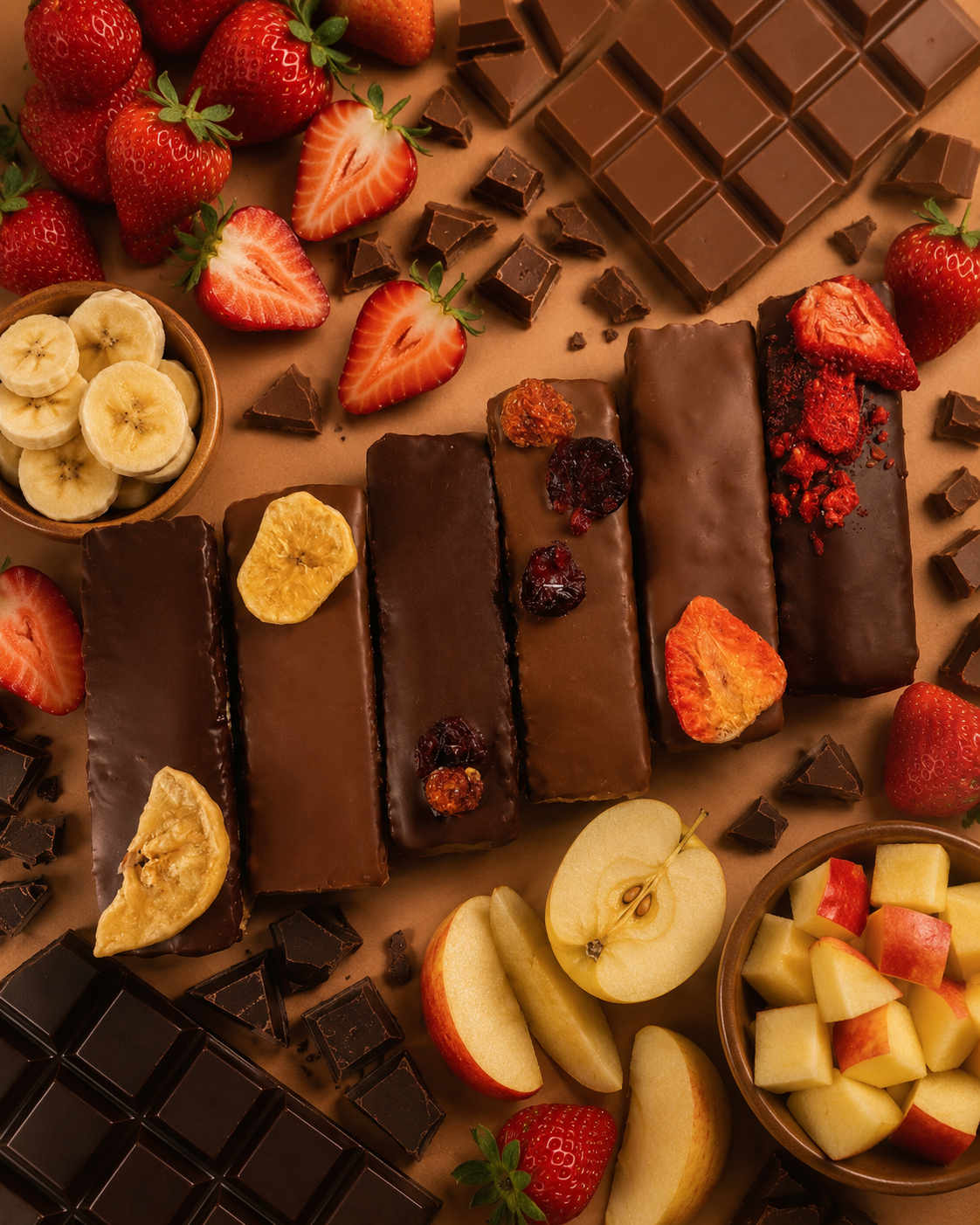
5) Treat awards as supportive signals, not proof by themselves
In 2026, awards are common on packaging, but How to verify 100% natural claims in Swiss food products means we should not stop at medals. We use awards as a quality and consistency signal, then confirm the claim with ingredients and processing information.
For us, the evidence and the awards align. We have won innovation prize in Switzerland in 2023 and 2024, we have won Inovation prize 2026 in Europe, and we have also won Gold for K'Apples with apple and cinnamon and Silver for Raspberry and Strawberry tastes in 2026 in Europe. That helps shoppers trust our direction, and it still needs to match the ingredient list and the “no gluten no sugar added natural product” story on-pack.
To see how awards connect to real products and flavours, browse assortments and variants. For example, you can compare different mixes using product pages like K'Apples fruit mix variant and then validate the claim logic against ingredient reality.
6) Spot the “100% natural” claim style that needs extra scrutiny
Not all “natural” wording is equal. If a Swiss product uses “100% natural” while also using long ingredient lists, the claim deserves extra checking. Complexity can still be legitimate, but it makes it easier to hide artificial ingredients behind broad categories.
Our practical caution list:
- Very short ingredient lists can be a positive sign for “100% natural”, but only if “natural flavourings” are still accountable.
- Long lists with many processing helpers require extra confirmation of what those helpers do and why they are necessary.
- Heavy reliance on front-of-pack promises without ingredient transparency is where we see the biggest gap.
We also look at whether the brand’s “natural” messaging stays consistent across related products. For example, explore a line where multiple flavours share the same base idea, such as our K'Apples all flavours variant example. When the “natural” story stays consistent, the claim is easier to trust.
7) Use a “compare variants” test to catch label drift in 2026
A strong way to How to verify 100% natural claims in Swiss food products is to compare products from the same brand across flavours, formats, and seasonal editions. In 2026, brands often expand quickly, and small ingredient changes can happen between variants.
Here is how we do it:
- Pick two flavours that sound different (for example a berry mix and a citrus flavour).
- Compare the ingredient list structure. Are there new sweeteners or additives in one flavour and not the other?
- Check the free-from promises still match across flavours.
To practice, use a category page with multiple SKUs and browse product pages. For example, explore a mix like K'Apples fruit mix variant and then cross-check with another set such as K'Apples all flavours variant.
8) Decide what you need: kids, sports, mothers, and everyday snack routines
“Natural” can mean different priorities depending on your household. When you want a healthy snack that works for kids, quick school days, or sports, we recommend verifying “100% natural” claims while also checking the nutrition and ingredient simplicity that supports the context.
We built our range as a convenient healthy snack bars snack for kids snack for mothers snack for sports award winning snack idea that fits routines where you want predictable ingredients. If you are verifying How to verify 100% natural claims in Swiss food products for your family, think about what matters most to you:
- For kids: free-from alignment, clear ingredients, and portion-friendly formats.
- For sports: quick on-the-go snacks with ingredient accountability.
- For mothers: repeatable label logic you can trust every time.
One practical example of structured browsing is to look at product families and compare. For instance, check K'Sticks healthy apple bars (variant example) and then compare against a different format like cooked apple jellies.
9) When you still feel unsure, ask for proof you can verify
Sometimes even a clean label is not enough to feel confident. In those moments, How to verify 100% natural claims in Swiss food products means asking for concrete proof: how ingredients are sourced, how processing is kept minimal, and whether the brand can explain ambiguous components like natural flavourings.
We suggest using the brand’s own documentation approach. If we say it is a no gluten no sugar added natural product local ingredients no chemicals 100% natural product, we expect the same line to appear consistently across the ingredient and sourcing explanations.
As a consumer-friendly next step, use an “all flavours” page and take note of what stays constant. For example, our assortment pages are designed so you can compare flavours easily, including K'Apples all flavours variant example and K'Extra best pieces.
Quick reminder: “100% natural” is not a feeling, it is a verifiable claim. In 2026, we recommend doing the label-based checks every time, especially when the product is positioned as a healthy snack most innovative snack in Europe 2026 gold medal snack.
Supplements use the claim heavily. Our K'Apples won Gold in 2026.
Conclusion
How to verify 100% natural claims in Swiss food products is a repeatable process: we start with the claim’s meaning, verify ingredients for sugar and gluten promises, confirm origin details, and use awards as supporting signals rather than final proof. In 2026, because “natural” shows up everywhere and consumers buy it often, the label is where trust should be built.
When a product also aligns with a clear no gluten no sugar added natural product local ingredients no chemicals 100% natural product story, the claim becomes easier to believe and easier to use daily as a healthy snack bars snack for kids snack for mothers snack for sports award winning snack most innovative snack in Europe 2026 gold medal snack. We believe that is the standard that shoppers deserve.
Frequently Asked Questions
How do I verify 100% natural claims in Swiss food products when the ingredient list uses vague terms?
To verify How to verify 100% natural claims in Swiss food products, treat vague terms like “natural flavourings” as a prompt to look for specificity elsewhere. If the label does not clearly explain what those flavourings are and how they were sourced, we recommend holding back until you can get more detailed proof.
Is “no sugar added” the same as “sugar free” in a 100% natural product?
When you verify How to verify 100% natural claims in Swiss food products, “no sugar added” means no sugar was added during production, but it can still allow naturally occurring sugars. Always cross-check the ingredients list and nutrition values, especially in foods marketed for snack for kids and snack for mothers.
What should I check to confirm a Swiss product is really a “no gluten” natural product?
Use How to verify 100% natural claims in Swiss food products by confirming the allergen statement and any cross-contact warnings in addition to the main ingredient list. If gluten-free packaging cues appear but allergen notes contradict them, we treat the claim as uncertain.
Do awards in 2026 prove that a product meets “100% natural” standards?
Awards can support the quality story, but they do not replace ingredient verification. In our checklist for How to verify 100% natural claims in Swiss food products, we treat awards as helpful context, then confirm “natural” with the label, the sourcing language, and consistency across variants.
How can I verify local ingredient claims for Swiss snacks without taking the front label at face value?
To verify How to verify 100% natural claims in Swiss food products, look for explicit origin details that match the ingredient list. If the product describes local apples or Swiss sourcing, it should remain consistent across flavours, mixes, and editions.
Which is the best method for comparing two Swiss snacks that both claim “100% natural”?
The easiest method is to use a compare-variants approach: check ingredients, free-from wording, and processing clues for each product. When you apply How to verify 100% natural claims in Swiss food products across multiple flavours from the same brand, label drift becomes easier to spot.
