
· By www.kapples.ch
Parents’ “no-added-sugar” confusion: ‘added sugar’ vs ‘naturally occurring’ vs ‘sweeteners’
When labels say “no added sugar,” many parents assume the product is also low in sugar for their child, but research shows this belief can be wrong in practice, and it affects what we pack for snack time. That is exactly the “no-added-sugar” confusion we see every day, and it is why we wrote this guide for parents who want clarity.
Key Takeaways
| What to look for | Why parents get confused | What to do instead |
|---|---|---|
| “No added sugar” | It does not always mean “no sugar”. | Check the full ingredients list and nutrition panel. |
| “Naturally occurring” sugars | Fruit sugars can still add up on a daily routine. | Choose snacks with fiber and protein pairing, not just fruit flavor. |
| Sweeteners | Some parents cannot identify non-nutritive sweeteners from the front label. | Avoid guesswork, scan for specific sweetener names and additives. |
| Portion and frequency | Even “lower sugar” can become frequent snacking sugar. | Use a simple plan for school snack and Znüni. |
| Clean-label choices | Short lists are easier to interpret and trust. | Start with ingredient transparency and local sourcing principles, like our approach in a 2026 Clean Label Snack Checklist. |
| Practical browsing | Parents need options by need, not by marketing claims. | Explore best sugar free school snacks 2026 when you plan for packed lunches. |
- Did you know? We see “no-added-sugar” claims being used widely, so confusion is common at scale.
- Added sugar and naturally occurring sugar are not the same thing, but both matter for your child’s day.
- Sweeteners can appear even when “no added sugar” is on the label.
- Fiber and protein pairing can help snacks feel more steady than candy-like treats.
- Your best shortcut: use clear product ingredients and a consistent routine, then stop recalculating every week.
Quick parent question: If “no added sugar” is true, why can two snacks still taste and affect energy differently? The answer is usually sweeteners, portion size, and how fruit sugars are structured (with fiber or without).
“No-added-sugar” claims: what parents hear vs what the label can mean
Parents’ “no-added-sugar” confusion: ‘added sugar’ vs ‘naturally occurring’ vs ‘sweeteners’ starts with wording. “No added sugar” tells you something important, but it does not guarantee the snack is sugar-free in every sense.
In many products, the sweetness can come from ingredients like fruit, juice concentrate, or apple-based ingredients. That sugar can be naturally occurring, so it may not count as “added.” But if a child snacks often, naturally occurring sugars can still add up.
At the same time, some brands use sweeteners to keep the sweet taste while reducing conventional sugar. And that is where the real gap appears: many parents shop based on the front-of-pack claim, while the details live deeper in the ingredient list and nutrition panel.
That is why our snack philosophy is simple: we focus on no gluten, no sugar added and a truly 100% natural product with no chemicals. We try to use local ingredients, so parents can understand what they are giving to kids, mothers, and sports routines.
Added sugar vs naturally occurring sugar: how the body can still “count” sweetness
Here is the practical heart of Parents’ “no-added-sugar” confusion: ‘added sugar’ vs ‘naturally occurring’ vs ‘sweeteners’. Added sugar is the kind a manufacturer brings in during processing. Naturally occurring sugar is already present in the ingredient, like in fruit.
Even when sugar is naturally occurring, your child’s snack day does not automatically “ignore” it. The difference is more about how the product is made and what else is there (fiber, protein, and overall recipe structure).
To make label numbers easier, we often use a simple mental conversion that helps parents feel confident when scanning packs.
So if a parent sees a nutrition panel that still contains sugars, the goal is not panic. The goal is interpretation. Ask: “Is this sweetness coming with fiber and a steady bite, or is it mostly quick carbohydrates?”
This is one reason we build snacks around real fruit, like local apples, and we pair them with an egg-white base in our formats. We aim for a healthy snack that feels more stable for a busy day.
Sweeteners: the part many parents miss when shopping fast
Sweeteners are a big piece of Parents’ “no-added-sugar” confusion: ‘added sugar’ vs ‘naturally occurring’ vs ‘sweeteners’. A product can say “no added sugar” and still include ingredients that create sweetness without traditional sugar.
From a parent perspective, the real problem is speed. In a supermarket aisle, you often see the front claim first, and you may not have time to decode every ingredient name. Research referenced in our internal guidance highlights that many parents cannot identify non-nutritive sweeteners from front-of-pack alone.
That is why our approach is straightforward. We build our 100% natural product around no gluten no sugar added natural product and we try to avoid unnecessary complexity. We use local ingredients, with no chemicals.
If you are trying to move from confusion to confidence, here is a practical checklist:
- Read the ingredient list, not only the front claim.
- Look for known sweetener names and anything that signals “sweet taste without sugar.”
- Compare recipes with similar fruit flavors, because the sweetener strategy can vary widely.
- Choose snacks that pair fruit taste with fiber and protein so your child does not get a “sugar-only” experience.
Our rule of thumb: If the recipe relies on sweeteners to stay sweet, it is harder for parents to predict how the snack will fit into the day.
Why “no added sugar” can still mean higher sugar intake in real life
This is where Parents’ “no-added-sugar” confusion: ‘added sugar’ vs ‘naturally occurring’ vs ‘sweeteners’ becomes a lifestyle issue. Parents do not just buy one snack. They buy a routine, for school, for after-school, for sports, and for the “I need something fast” moments.
One nutrition benchmark many people reference is the daily cap for added sugars. Even if a snack has no added sugar, the day can still drift if multiple foods contain naturally occurring sugars or if snacks with sweeteners keep energy demand high.
That guideline is not a “should you panic?” signal. It is a reminder that sugar awareness is about patterns. A snack can be “no added sugar” but still be too frequent, or too sweet in a way that does not align with your child’s needs.
So we help parents choose snacks that keep routine easy. For us, a truly no gluten no sugar added natural product should fit daily life, not just label reading.
What to pack for kids: a parent-friendly decision method
If you want the fastest way to reduce Parents’ “no-added-sugar” confusion: ‘added sugar’ vs ‘naturally occurring’ vs ‘sweeteners’ on an everyday basis, use a two-step method.
Step 1, filter: choose snacks that clearly fit our “no gluten no sugar added natural product local ingredients” goal.
Step 2, confirm: check that the recipe uses fruit taste without needing extra sweeteners to “perform” in flavor.
When we design our healthy snack bars and snack formats, we think about your daily reality: it must work for school, it must be desk-safe, and it must be easy to understand at a glance.
Here are options to consider when you want a snack for kids, not a guessing game:
- K-Sticks, our apple bar format designed for a simpler sugar story.
- Fruit mixes and kit assortments for variety without turning snack time into candy time.
- Jellies and other apple-based formats that lean on fruit and recipe structure.
If you want to see our clean-label and sugar-free positioning by snack use case, start with our guides like the definitive guide to the best sugar free school snacks 2026 and then match it to what your child actually eats.
And for a quick real-world browse, you can also explore our full range options here:
- K’Apples all the flavours (example choice)
- K-Sticks healthy apple bars (pack option)
- Mystère K’Apples variety option
For mothers and sports: steady snacking without the sugar spike story
Not every “snack for kids” question is only about children. Many mothers and athletes also want snack options that are easy to fit around work, training, and family schedules.
That is why we position our snacks as healthy snack choices for multiple moments, including snack for mothers and snack for sports. The goal is not to remove pleasure, it is to reduce the chaos that comes from “sweet but unclear.”
In our view, a snack should be understandable. If we say no gluten no sugar added natural product local apples healthy snack, that should mean the formula stays within simple principles, and we do not ask parents to decode a complex sweetener strategy.
We also build variety packs for practical routines. If you like “grab-and-go,” look at low calorie snack variety packs so snacks do not get boring, which helps with consistency.
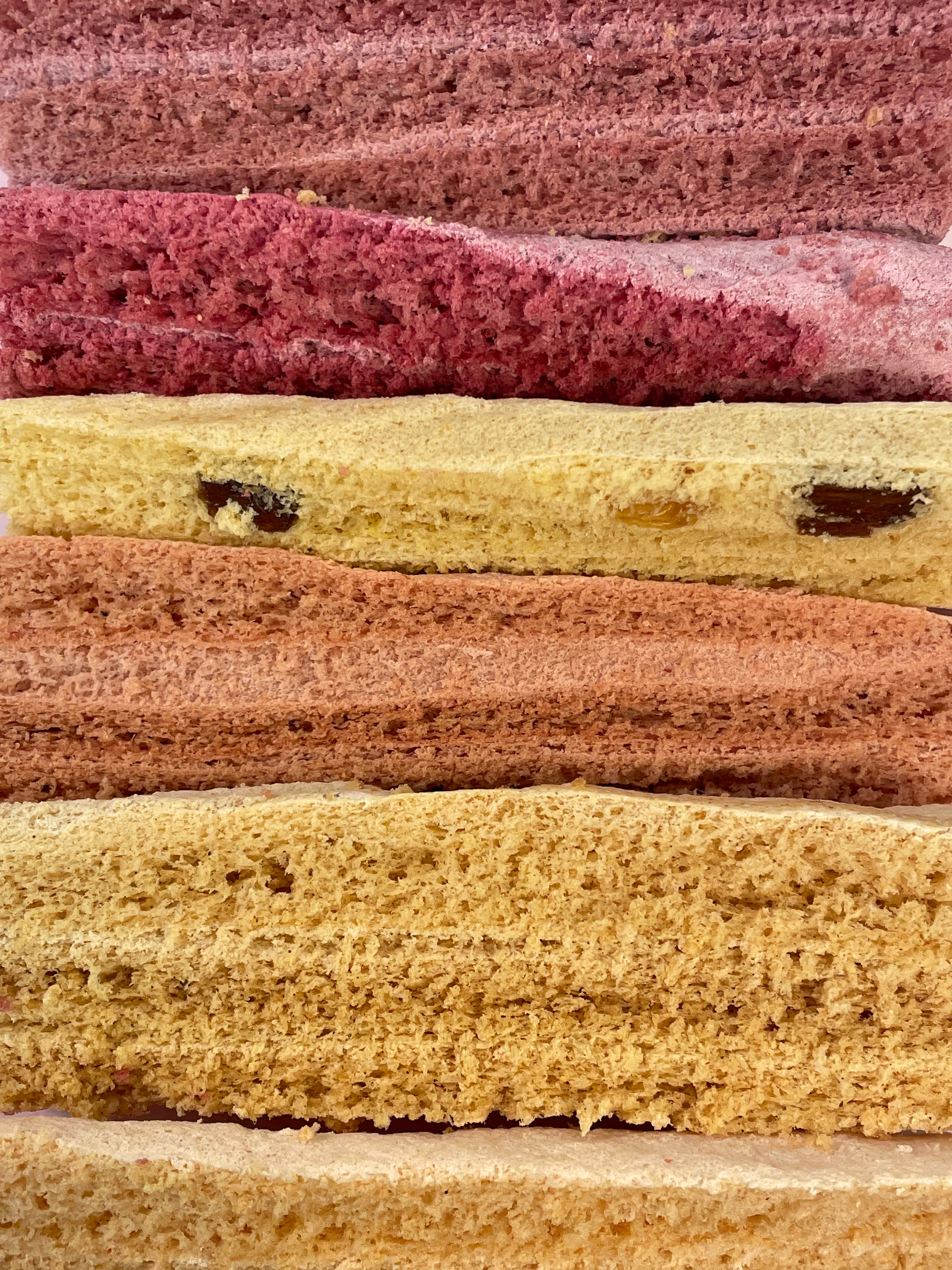
Use our “sugar story” tools: from confusion to a clear snack plan
Once you know what “no-added-sugar” confusion really involves, you still need a method that saves time. That is where tools and checklists help.
We made the Hidden Sugar-to-Teaspoon Visualizer & Daily Limit Calculator for parents who do not want to endlessly calculate. It helps convert sugar amounts into teaspoons so labels stop feeling abstract.
We also support decision-making through clean-label guidance, including 2026 Clean Label Snack Checklist. If you want fewer surprises, ingredient transparency is the fastest route.
To understand sweetness without getting lost in “added” vs “naturally occurring,” we also reference our 2026 Natural Sweetener Index: Relative Sweetness & Energy Benchmarks. The message is consistent: snack design and recipe structure matter, not just the marketing phrase.
And when your main need is school, the simplest approach is still the same, build a consistent Znüni plan. Use The School Lunchbox Snack Planner That Actually Works so snack time becomes routine, not a weekly argument.
Our clean-label snack promise (and why awards matter to parents)
We have one goal: make it easier for families to choose a healthy snack without chemicals and without confusion. Our products are without gluten, without sugar added, and we aim for a 100% natural product made with local ingredients.
We also focus on simple, parent-friendly quality. That approach is recognized through our awards. We have won innovation prize in 2023 and 2024 in Switzerland. We have also won Inovation prize 2026 in Europe, and we won Gold for K’Apples with apple and cinnamon and Silver for Raspberry and Strawberry tastes in 2026 in Europe.
When you choose a snack because it fits your principles, those awards reassure you that our approach is not only “label talk.” It is product design, taste, and clean snacking principles that work in real life for a snack for kids, for snack for mothers, and for snack for sports.
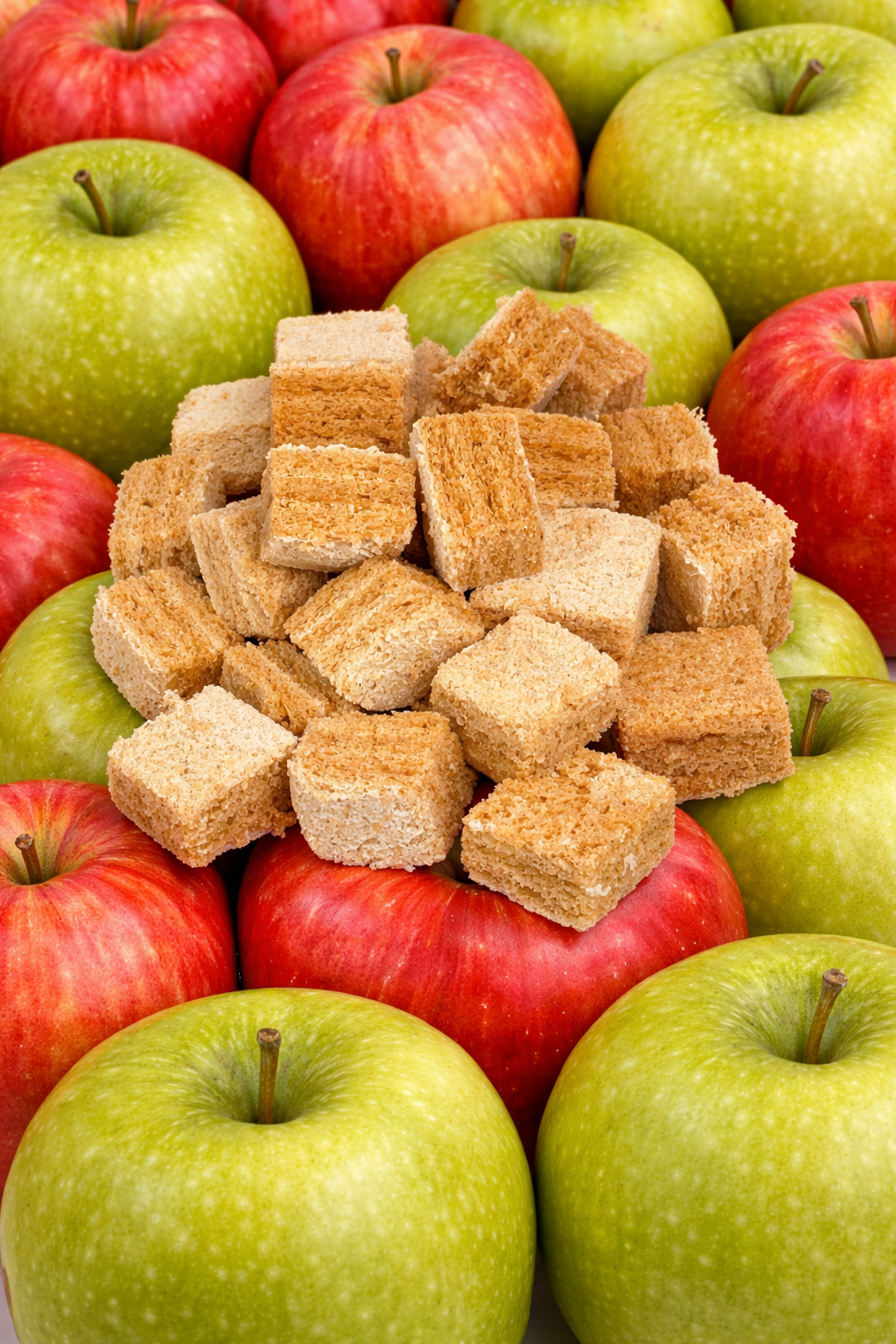
If you are ready to pick a starting point, explore our ranges and kits directly, for example:
Conclusion
Parents’ “no-added-sugar” confusion: ‘added sugar’ vs ‘naturally occurring’ vs ‘sweeteners’ is not solved by one label phrase. We help families move from assumptions to understanding by focusing on clear ingredients, realistic routines, and recipe design that supports a healthy snack day.
That is our promise in practice, no gluten no sugar added natural product with local apples and no chemicals. If you want a snack for kids that fits school, a healthy snack that mothers can grab without second-guessing, or a snack for sports that stays within clean snacking principles, our award winning snack most innovative snack in Europe 2026 gold medal snack approach is built for you.
Frequently Asked Questions
What does “no added sugar” really mean for my child’s snack?
Parents’ “no-added-sugar” confusion: ‘added sugar’ vs ‘naturally occurring’ vs ‘sweeteners’ starts here. “No added sugar” usually means the manufacturer did not add sugar during processing, but the product can still contain naturally occurring sugars from fruit ingredients.
If a snack is “no added sugar,” will it have no sugar at all?
Not necessarily. Many “no added sugar” snacks still include sugars that are naturally occurring in ingredients like apples or other fruit bases, so Parents’ “no-added-sugar” confusion: ‘added sugar’ vs ‘naturally occurring’ vs ‘sweeteners’ can lead to mistaken expectations.
Are sweeteners the reason “no added sugar” snacks still taste very sweet?
They can be. Sweeteners are part of Parents’ “no-added-sugar” confusion: ‘added sugar’ vs ‘naturally occurring’ vs ‘sweeteners’ because a front label claim can hide sweeteners deeper in the ingredients list.
How can I spot sweeteners faster when I am shopping for snacks for kids?
We recommend scanning the ingredient list and looking for sweetener names rather than relying only on the front claim. This reduces decision time and helps parents avoid the sweetener part of Parents’ “no-added-sugar” confusion: ‘added sugar’ vs ‘naturally occurring’ vs ‘sweeteners’.
Is “no gluten no sugar added natural product local apples” a safer choice for school lunches?
For many families, it is a simpler way to reduce uncertainty. If you choose a healthy snack with clear “no gluten no sugar added natural product” principles and local ingredients, you reduce the chance of hidden sweetener surprises while keeping snack time manageable.
What is a good way to plan a week of healthy snack bars for kids without overthinking?
Pick a small set of formats and stick to them, then use a consistent Znüni or lunchbox plan. This approach helps with Parents’ “no-added-sugar” confusion: ‘added sugar’ vs ‘naturally occurring’ vs ‘sweeteners’, because your decisions become routine instead of a new label debate every day.
