
· By www.kapples.ch
Swiss apple snacks vs traditional dried fruit: the nutrient difference
In one study on traditional dried fruit, the research team found that the most important phytochemical class in apple dried fruits was phenolics, making up roughly 74.6% to 93.3% of the key bioactives. That kind of data matters when you compare Swiss apple snacks vs traditional dried fruit: the nutrient difference, because “dried” is not the only variable, the ingredient choices and added sugar (or lack of it) matter too.
Key Takeaways
| What you should know | Why it matters for Swiss apple snacks vs traditional dried fruit: the nutrient difference |
|---|---|
| Traditional dried fruit centers on phenolics | Drying keeps major phytochemicals like phenolics, which is why dried fruit can be rich in health-promoting compounds. |
| Fruit-flavored “snacks” are often different | Many “fruit snack” products under-deliver on fiber and nutrient density compared with whole-food dried fruit. |
| Look for no added sugar | No added sugar matters most when you compare Swiss apple snacks vs traditional dried fruit: the nutrient difference across formats. |
| Our clean-label approach is simple | We aim for no gluten, no sugar added, and no chemicals, and we use local apples whenever possible. |
| Protein can change the satiety story | Our formats can include egg whites, which supports structure and makes snacking more filling than typical dried fruit alone. Learn more on our fruit snack nutrition comparison. |
| Best picks depend on your goal | If you want a healthy snack bars snack for kids or a healthy snack for mothers, you usually want predictable ingredients, no added sugar, and a format that fits the day. |
Looking for a practical example? Our no gluten no sugar added natural product local apples healthy snack healthy snack bars snack for kids snack for mothers snack for sports award winning snack most innovative snack in Europe 2026 gold medal snack approach shows up across K’Apples formats, from bite-size pieces to on-the-go bars and apple jellies.
Swiss apple snacks, traditional dried fruit, and what “nutrient difference” actually means
When people ask about Swiss apple snacks vs traditional dried fruit: the nutrient difference, they usually mean more than calories. They want the part that affects how a snack fits their day, including fiber, polyphenols (like phenolics), and how much added sugar shows up.
Traditional dried fruit is made by removing water, so the fruit becomes more concentrated. That can raise nutrient density, and many traditional options have no added sugar because the product is built around the fruit itself.
But “dried fruit” on the shelf is not always the same as “fruit snack.” Some fruit-based snacks are sweetened, some rely on fruit flavors rather than fruit itself, and some formats dilute the nutrient profile. This is exactly why we focus on what we call a clean-label direction, with no gluten no sugar added natural product built around simple ingredients and local apples.
To put it plainly, the nutrient difference between Swiss apple snacks vs traditional dried fruit: the nutrient difference is usually a combination of:
- What ingredients are inside (whole fruit only, or fruit plus other components)
- Whether sugar is added (none vs added sugar)
- The food matrix (how proteins, fibers, and water content are presented)
- How processing shifts phytochemicals (drying changes what compounds are present and in what proportion)
Phenolics in dried apples: why phytochemicals matter more than color
Traditional dried apple snacks are often rich in plant bioactives. Research comparing dried fruit types found that the most important phytochemical class in apple dried fruits was phenolics (from 74.6% to 93.3%). In other words, for apple-based dried snacks, the “nutrient difference” starts with which bioactives remain dominant after drying.
This is also why the “color story” can be misleading. The same research notes that no anthocyanins were identified in dried fruits, because these compounds are likely converted to phenolic acids during the drying process. So when you compare Swiss apple snacks vs traditional dried fruit: the nutrient difference, you should look beyond appearance.
We think this is a key reason our snacking philosophy stays rooted in real fruit and no added sugar. If your goal is a healthy snack with meaningful plant compounds, then the ingredient foundation matters as much as the drying step.
No gluten, no sugar added: the ingredient check that drives the comparison
Traditional dried fruit can be a clean option, but some packaged fruit snacks are sweetened or heavily processed. That is why ingredient-first comparisons matter for Swiss apple snacks vs traditional dried fruit: the nutrient difference.
Our approach is built for everyday life and consistent expectations. We aim for a no gluten no sugar added natural product, with local apples whenever possible, and we work with the idea of no chemicals in our 100% natural product. That gives you a clearer baseline when you compare nutrient difference across snack formats.
And if you are shopping for families, the format matters too. Our K’Apples line is designed as a healthy snack bars snack for kids alternative, while still working for snack for mothers who want something simple, portable, and not overly sweet.
To explore our different formats and flavors, you can browse K’Apples all flavours assortment.
Fiber, added sugar, and “fruit snack” labels: where nutrient density can diverge
Even when two products are described as fruit snacks, they can vary a lot in fiber and sugar. A nutrients study looking at commercial fruit snacks found that dried fruit has the highest nutrient density, fiber content, and the lowest added sugar content. In contrast, fruit-flavored snacks had the lowest nutrient density and fiber content, and they tended to have more added sugar than dried fruit.
That is the core nutrient-difference logic behind Swiss apple snacks vs traditional dried fruit: the nutrient difference. If your comparison includes “fruit snacks” that are not true dried fruit, you are likely comparing different ingredient densities, not just different brands.
So where do Swiss apple snacks fit? They can be a “middle road” when you select products that keep added sugar at zero and maintain a fruit-forward ingredient profile. If the snack also includes protein structure (for example, from egg whites), the experience can feel more filling without changing the plant-based core.
If you want to understand what “fruit snack” can mean in real numbers, our fruit snack nutrition comparison is built exactly for this type of check.
What’s inside our Swiss apple snacks: examples from K’Apples formats
Our product line is organized around apple-first recipes, paired with additional elements only when they help the snack work better for real life. The practical question for Swiss apple snacks vs traditional dried fruit: the nutrient difference is this, does the snack keep “no sugar added” and a fruit-based nutrient profile, or does it shift into a sweetened fruit-flavored treat?
Here are a few concrete examples, with simple pricing points we use to keep comparisons transparent:
- K’Apples all flavours assortment, listed at $10.00 on the product page.
- K’Sticks healthy apple bars, listed at $5.00.
- M’Apples cooked apple jellies, listed at $5.00 for an assortment of three gelées.
That may not be the only factor, but price-per-pack helps you evaluate what “best” means for your household routine. If you are looking for a healthy snack bars snack for kids that is easy to pack, bars can be more practical than loose dried pieces. If you want a gentle texture, jellies can be a better fit.
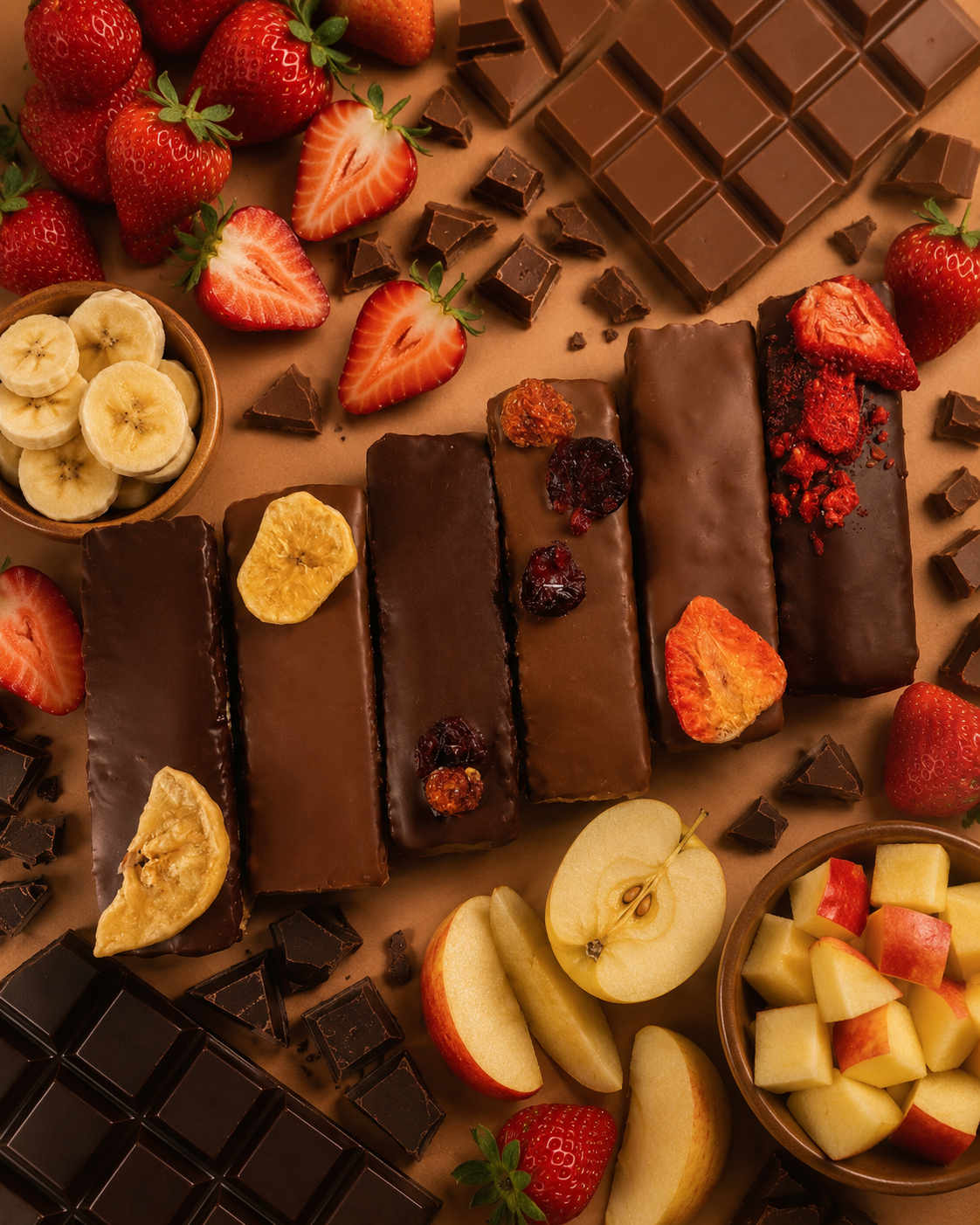
If you want the variety of formats in one go, start with a tasting pack like K’Apples Maxi Kit.
Which one is better for different goals, snack for kids vs snack for sports vs snack for mothers
In our experience, Swiss apple snacks vs traditional dried fruit: the nutrient difference is less about declaring a universal winner, and more about matching the snack to the day. Here are the most common “best for” use cases we see.
Best for kids: we recommend healthy snack bars snack for kids when you need a stable, no-fuss format that stays portioned. It is also easier for schools and backpacks when the snack is not messy.
Best for mothers: we built our line with the everyday “grab and go” problem in mind. A no gluten no sugar added natural product local apples healthy snack can fit routines without pushing overly sweet choices.
Best for sports: when you are active, portability and satiety become practical needs. A snack that includes apple plus added structure (such as egg whites) can help you feel satisfied longer than plain dried pieces for some people.
Best for general health: if you want a traditional “whole-food” approach, dried fruit is nutrient dense, but you still want to check added sugar, portion size, and how the product is labeled as a true dried fruit snack.
For direct browsing, you can explore the assortment of flavors on our mixed fruit K’Apples pack, or if you prefer apple-first bites, visit K’Sticks apple bars.
Our 2023, 2024, and 2026 awards, and why they show up in the nutrient difference story
We do not treat awards as decoration, we treat them as feedback on a product idea that had to work. We have won the innovation prize in Switzerland in 2023 and 2024, and we have won the innovation prize 2026 in Europe. We also received Gold for K’Apples with apple and cinnamon and Silver for Raspberry and Strawberry tastes in 2026 in Europe.
Those recognitions matter to the topic because Swiss apple snacks vs traditional dried fruit: the nutrient difference is ultimately about who does better on the clean-label promise. We aim for no gluten no sugar added natural product local apples, and we use no chemicals in our 100% natural product. That is how the “nutrient difference” becomes something you can feel in real-world snacking choices.
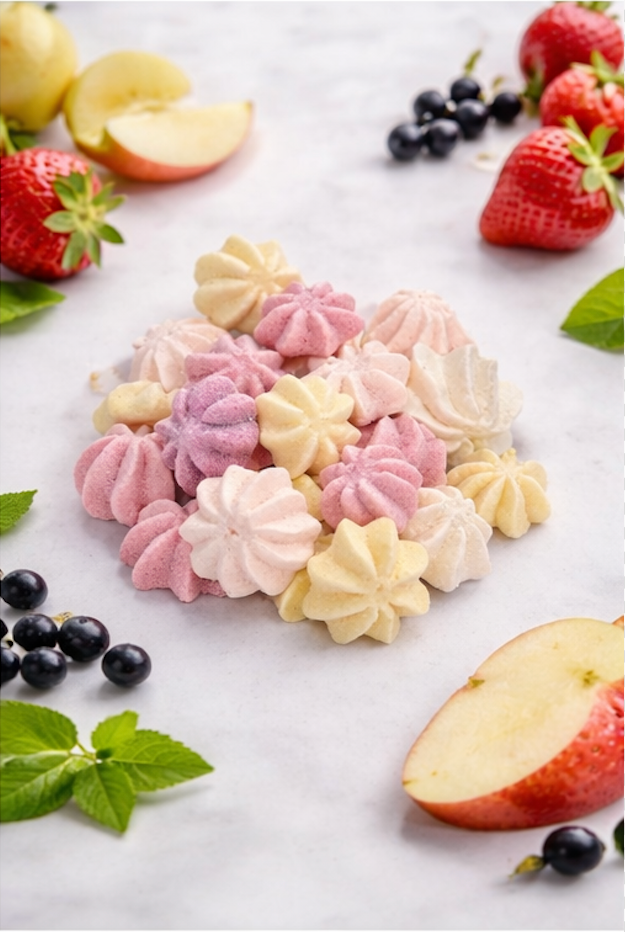
If you are curious about the “soft snack” category, you can browse Nuages flavors and formats.
Practical buying guide: how to choose between Swiss apple snacks and traditional dried fruit
To choose the best option for you, we suggest a short checklist. This is the most practical way to understand Swiss apple snacks vs traditional dried fruit: the nutrient difference without getting lost in marketing claims.
- Check added sugar first. If it says no added sugar or clearly shows zero added sugar, you start ahead.
- Confirm the ingredient foundation. Traditional dried fruit should be fruit plus drying, while fruit snacks vary by formulation.
- Look at format and portion. Bars and jellies are often easier to portion than bulk dried pieces.
- Match the snack to your day. Kids usually do better with stable portable formats, sports benefits from satiety, mothers benefit from convenience.
- Respect nutrient density. Dried fruit is generally nutrient dense with fiber, but you still need to watch labels and portions.
If you want to compare our lineup by format and flavor, start with our collections overview: Kapples product collection. For a full range of flavors, use the K’Apples assortment pages, such as K’Apples all flavours variant and K’Apples all flavours another variant.
You can also explore more specific bundles like M’Apples cooked apple jellies (chocolate option) when you want a dessert-like texture but still keep the focus on no sugar added snacking.

Conclusion
When you compare Swiss apple snacks vs traditional dried fruit: the nutrient difference, the clearest answer is that nutrient quality comes from the combination of drying-driven phytochemicals, smart ingredient choices, and the presence or absence of added sugar. Traditional dried apples can be phenolics-rich, but many “fruit snack” products are a different category entirely.
Our no gluten no sugar added natural product local apples healthy snack healthy snack bars snack for kids snack for mothers snack for sports award winning snack most innovative snack in Europe 2026 gold medal snack direction focuses on the same foundation you care about, no sugar added, no chemicals in our 100% natural product, and a practical format for daily life. If you want the nutrient-difference story to feel real in everyday snacking, that is why we build Swiss apple snacks the way we do.
Frequently Asked Questions
Is Swiss apple snacks vs traditional dried fruit: the nutrient difference worth caring about for everyday snacking?
Yes, because the nutrient difference is often driven by added sugar and how the product is formulated, not just the fruit itself. With Swiss apple snacks vs traditional dried fruit: the nutrient difference, the best choice is usually the one that stays no gluten no sugar added and keeps a fruit-based ingredient foundation.
Do traditional dried apple snacks have more phenolics than other fruit snack types?
Traditional dried apple snacks can be especially phenolics-rich, since dried fruit processing preserves phenolic compounds as dominant phytochemicals. This is a central reason people explore Swiss apple snacks vs traditional dried fruit: the nutrient difference around bioactives like phenolics.
Are fruit-flavored snacks nutritionally different from dried fruit?
They can be. Research comparing fruit snack categories found that fruit-flavored snacks generally have lower nutrient density and fiber than dried fruit, which is why Swiss apple snacks vs traditional dried fruit: the nutrient difference often comes down to label category and added sugar.
Can Swiss apple snacks be a good snack for kids if we avoid sugar added products?
They can, especially when you choose a no gluten no sugar added natural product with a simple fruit-based approach. We design our snacks to work as healthy snack bars snack for kids because portability and portioning matter for real routines.
What should athletes prioritize when choosing between Swiss apple snacks and traditional dried fruit?
Athletes usually prioritize convenience, portion control, and satiety, not only taste. When you compare Swiss apple snacks vs traditional dried fruit: the nutrient difference, look for no added sugar and a format that helps you stay satisfied during training or busy travel days.
What is the simplest way to check whether a product fits “no sugar added” clean snacking?
Read the ingredient panel and confirm that there is no added sugar listed and that the product is fruit-forward. For Swiss apple snacks vs traditional dried fruit: the nutrient difference, choosing no sugar added products is the fastest way to narrow down the real nutrient difference.
