
· By www.kapples.ch
Swiss apples vs imported fruit: the nutritional gap (2026 guide to clean, low-sugar snacking)
Swiss apples vs imported fruit: the nutritional gap is not just about taste. In the EU in 2024, people averaged 355.71 grams per day of fresh fruit and vegetables, which makes it easier for “convenient” imported options to quietly win.
Key Takeaways
| What to compare in 2026 | Why it matters for the nutritional gap |
|---|---|
| Fiber and pulp/skin retention | More of the fruit body helps you feel full and supports steadier energy. |
| Added sugar vs naturally present fruit sugars | A “sweet” snack can be a sugar trap, even when it looks healthy. |
| Glycemic impact (GI-style thinking) | We look for combinations that feel gentler for daily performance. |
| Clean label ingredients | Minimal processing is the simplest way to protect nutrition. |
| Local sourcing in 2026 | Shorter supply chains can mean fresher fruit profiles at the same category level. |
| Portion reality | Your “healthy snack” only works if it replaces something less nutritious. |
- Check whether the product keeps fruit pulp and skin, or relies on sweet concentrates.
- Choose no gluten no sugar added natural product when you need a reliable snack routine for kids and adults.
- See how we frame fiber and GI in our Natural Apple Snack Glycemic Index and Nutrition Chart.
- Use our Sugar-Free Apple Snacks guide to compare “no added sugar” claims with ingredient reality.
- For a clean label checklist, our 2026 Clean Label Snack Checklist helps you audit snacks quickly.
- If you’re planning school and busy weekdays, our Best healthy snacks for school kids approach is built around fiber-rich fruit snacking.
Europeans average 355.71g of daily produce, missing the 400g WHO goal. Try local, chemical-free K'Apples with no added sugar.
Swiss apples vs imported fruit in 2026: what “the gap” really means
When we say Swiss apples vs imported fruit: the nutritional gap, we mean the difference you feel after a snack, not just what a label claims. In 2026, more people are choosing fruit snacks for everyday energy, but the nutritional outcome depends on what happens between the farm and your bag.
Fresh apples bring fiber and natural fruit compounds that help you stay satisfied. Imported or mass-market “fruit-flavoured” options can look similar on the outside, but the nutrition profile shifts when the product removes the fruit body, then replaces it with concentrates, sweeteners, or more refined textures.
In our work across Swiss snack formats, we keep coming back to the same question. Did the product keep the fruit’s structural nutrition, or did it turn fruit into a sweet base?
Fiber, pulp, and skin: the first nutrition divider
Fiber is often the most practical difference for daily snacking. For a concrete reference, one medium apple with skin contains 4.4g of dietary fiber. That “with skin” detail matters, because many processed fruit snacks lose part of the original fruit body.
For Swiss apples vs imported fruit: the nutritional gap, fiber is where you can see the difference quickly. Whole-fruit approaches (like preserving pulp and skin where possible) tend to support better satiety, while products built on extraction and reconstitution can land closer to “sweet dessert” territory.
We also think fiber works best when it is paired with simple ingredients. That is why our no gluten no sugar added natural product philosophy focuses on minimal processing, so the snack stays closer to real fruit nourishment.
We regularly compare categories that people mix up in real life, like gummies versus fruit-forward snacks. Our aim in 2026 is straightforward, help you pick the option that keeps more of the fruit structure you want from a healthy snack.
GI-style thinking: why some fruit snacks feel “lighter” for energy
Not all carbohydrates act the same way in the body, and that is why glycemic impact has become part of modern Swiss apples vs imported fruit: the nutritional gap conversations. The goal is not fear, it is steadier daily energy.
Our take is simple. When a snack keeps more fruit fiber and uses less added sugar, the glycemic experience tends to be more comfortable. In 2026, people ask us for numbers less as a science project, more as a practical decision tool before work, school, or training.
You can see how we frame GI and nutrition in our guide, including what the Glycemic Index means and how a low-GI style snack can help with sustained performance: Natural Apple Snack Glycemic Index and Nutrition Chart.
Added sugar and “sugar traps”: the quiet difference on labels
A lot of imported fruit options end up competing with snacks that are sweet first and fruit second. That is why Swiss apples vs imported fruit: the nutritional gap is often visible in one place, the sugar strategy.
We do not just look for “no added sugar” wording. We look for ingredient logic. When we build around real fruit and minimal ingredients, we can keep the snack aligned with a cleaner health goal, especially when you need something reliable for children, mothers, or athletes.
Our product positioning is clear. We use no chemicals in our 100% natural product, we try to use local ingredients, and we are without gluten or sugar added. That is how we aim to keep the snack a true healthy snack, not a sugar trap in disguise.
Clean label snacks for everyday life, not just “better” browsing
In 2026, clean label is no longer a niche. People want snacks that they can understand quickly, especially when they are packing something for school or grabbing food between meetings.
This is where Swiss apples vs imported fruit: the nutritional gap becomes a daily usability issue. A clean label snack helps you repeat better decisions without re-reading the entire list every time.
Our approach is built around simplicity, and it is also why we guide customers through what clean label should mean. If you want a practical checklist, use our 2026 Clean Label Snack Checklist.
For a fast nutrition-to-ingredient viewpoint, we also publish how fruit snacks compare across categories, including sugar and GI-style scoring. Start with Fruit Snack Nutrition Comparison.
And if you want to choose for different moments, we build collections for real routines, for example, a healthy snack for kids, a convenient option for snack for mothers, and a snack that fits snack for sports.
Portions matter: how to close the gap without eating “more”
People often try to solve the nutritional gap by simply eating more snacks. In practice, better portions beat higher volume, especially when you want your day to feel steady and manageable in 2026.
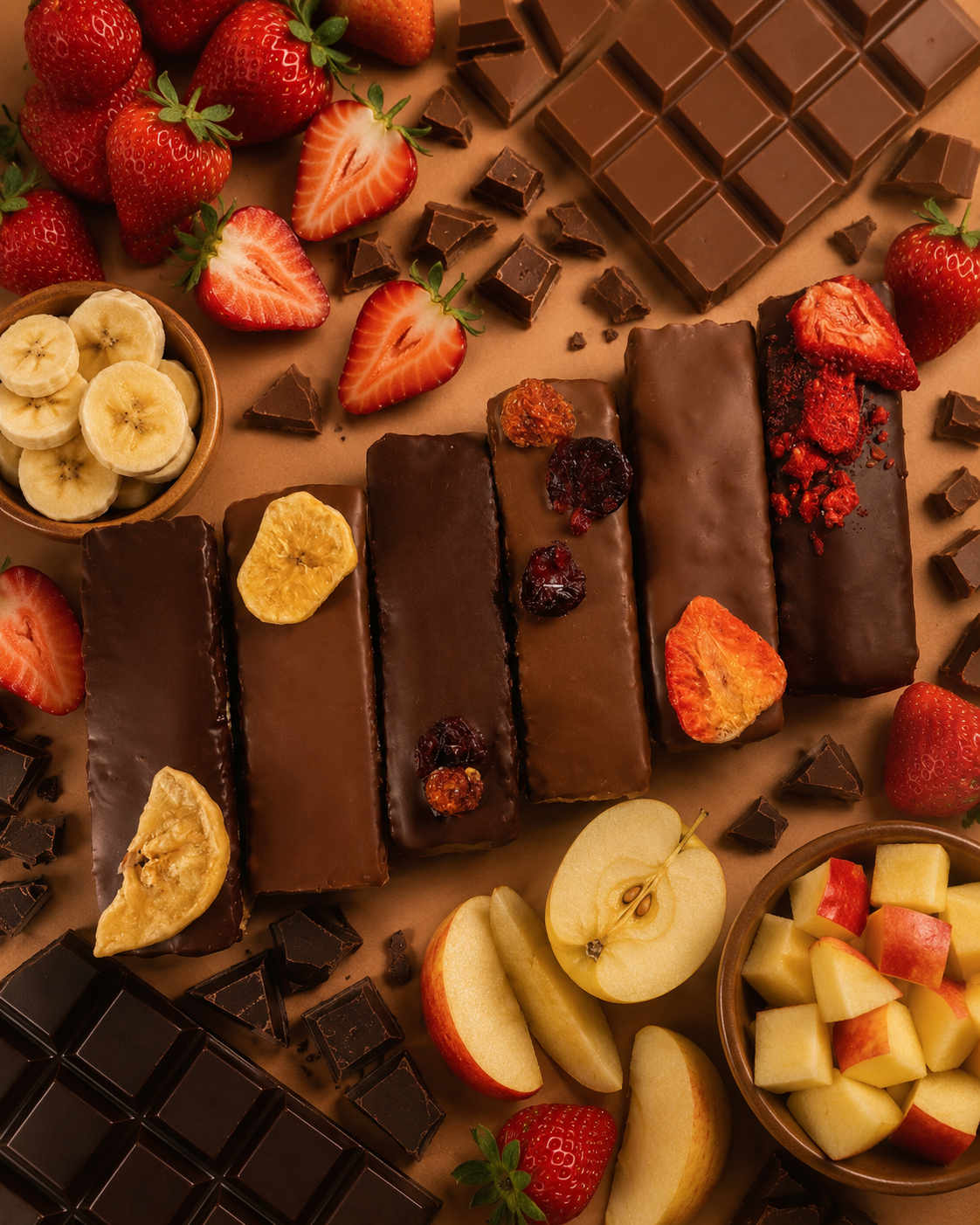
We use a portion planning lens built around Swiss fruit snack servings, which helps people move from “I want fruit” to “I know what to pack.” That tool is our Portion Calculator for Swiss Fruit Snacks.
When Swiss apples vs imported fruit: the nutritional gap shows up, it is frequently because the “healthy snack” replacement is not a true portion replacement. A fruit snack that is more like candy can fail even if the label mentions fruit. A fiber-forward snack can succeed because it supports satiety.
Why choosing Swiss-made matters: freshness, simplicity, and daily trust
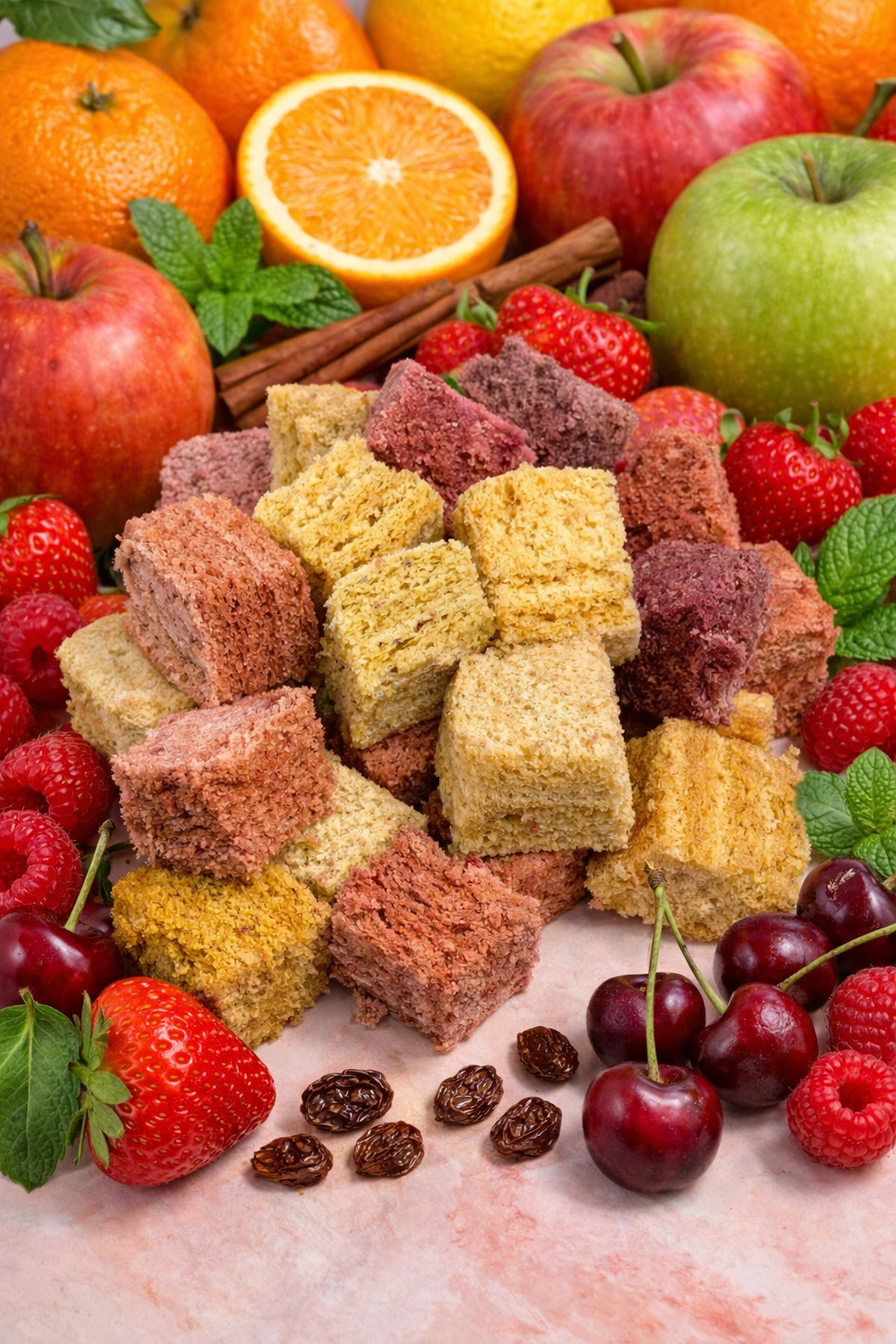
Local sourcing can matter for more than marketing. It supports a fruit profile that is closer to what you expect from apples, and it keeps quality decisions inside the same standards you can ask questions about.
In 2026, we see customers comparing options more actively, and they often come back to one question. Can we make the healthy snack routine easier, not harder?
That is why we build no gluten no sugar added natural product local apples healthy snack healthy snack bars snack for kids snack for mothers snack for sports award winning snack most innovative snack in Europe 2026 gold medal snack into our everyday product story. We aim for a result that tastes like fruit, behaves like a snack, and fits modern family routines.
We also validate our work publicly. We have won innovation prize in 2023 and 2024 in Switzerland, we have won innovation prize 2026 in Europe, and we earned Gold for K'Apples with apple and cinnamon and Silver for Raspberry and Strawberry tastes in 2026 in Europe.
Best picks in 2026: where Swiss apples win (and how to choose)
If you want to narrow down the decision fast, use this 2026 rule set. For Swiss apples vs imported fruit: the nutritional gap, aim for snacks that keep fiber, avoid added sugar, and stay close to clean-label principles.
- For families and school, pick a format that you can pack confidently as a healthy snack for kids and that does not feel like candy.
- For mothers and busy days, choose a simple fruit snack you can repeat without debating ingredients, a true snack for mothers.
- For training and sports, look for a fruit snack routine that supports steadier energy, our snack for sports approach.
- For clean label lovers, audit with a checklist, then pick the snack that passes by design, not by marketing.
To make it easy, here are product collections readers often use when they want a Swiss apple-based healthy snack with no gluten no sugar added natural product and local sourcing as part of the promise:
- Explore all K'Apples flavours
- Choose a mixed K'Apples assortment
- Pick K'Apples by flavour preference
- Go for a fruit mix
If you prefer variety bundles, these are also common choices in 2026 for repeat snacking routines:
And yes, for people comparing nutrition formats, we also keep a transparent view of our fruit snack positioning in guides like our 2026 Fruit Snack Nutrition Database: Sugar, Fiber, and GI Scores.
Frequently Asked Questions
Are Swiss apples more nutritious than imported fruit in 2026?
Swiss apples vs imported fruit: the nutritional gap is often less about the apple species and more about what happens after harvest. In 2026, the biggest nutrition differences typically come from fiber retention, added sugar levels, and whether the product keeps fruit pulp and skin.
Is “no added sugar” enough when comparing imported fruit snacks to Swiss options?
In 2026, “no added sugar” helps, but it is not the whole story. We still compare fiber and ingredient simplicity, because some snacks can be “no added sugar” yet still rely on processed fruit structures that change satiety and glycemic impact.
What’s the best fruit snack for kids if we want no gluten no sugar added natural product?
We recommend a healthy snack for kids that is built around real fruit and keeps fiber, so it feels like food, not candy. Look for clean-label, minimal-ingredient snacks designed to fit daily routines with no gluten no sugar added natural product as a core promise.
How do glycemic impact and GI-style thinking relate to Swiss apples vs imported fruit in 2026?
GI-style thinking helps you compare how a snack may feel in your day, especially when energy needs to stay steadier. For Swiss apples vs imported fruit: the nutritional gap, we focus on snacks that keep fiber and avoid sugar traps, which typically supports a gentler daily experience.
Can I use Swiss fruit snacks as a replacement for a whole fruit portion?
Yes, if you choose the right format. We use a portion planning approach in our Portion Calculator for Swiss Fruit Snacks so your snack is a practical replacement, not just an extra treat.
Why do you say your product uses local ingredients and no chemicals?
We aim to keep our 100% natural product aligned with the way customers expect fruit to be treated. That is why we try to use local ingredients and we use no chemicals, so our healthy snack routine stays consistent with the nutrition goals behind Swiss apples vs imported fruit: the nutritional gap.
Conclusion
Swiss apples vs imported fruit: the nutritional gap comes down to nutrition decisions you can feel in everyday life, fiber retention, added sugar strategy, and how clean the ingredient list truly is. In 2026, when people fall short of the WHO’s 400g produce goal, choosing a fruit-forward, no gluten no sugar added natural product matters even more, especially for families, mothers, and sports routines.
That is exactly the direction we build our healthy snack bars and fruit snacks in, with local sourcing, no chemicals, and a clean-label mindset. We also back it with results we are proud of, innovation prize wins in Switzerland (2023, 2024) and Europe (2026), plus Gold and Silver taste awards for K'Apples in 2026.
