
· By www.kapples.ch
The 2026 Glycemic Index & Load Master Chart for Natural Sweeteners
Did you know that low-GI ranges are often defined as 0-55, so two snacks with the same “natural” label can fall into very different blood-sugar impact categories?
Key Takeaways
| GI (glycemic index) | A 0-100 score based on how fast carbs raise blood glucose. |
| GL (glycemic load) | GI combined with the amount of digestible carbs in a typical serving. |
| Why “natural” varies | Processing, fiber, and how food is structured change absorption speed. |
| The 0-55 rule for choices | If we can pick snacks that sit in the low-GI band, energy tends to feel steadier. |
| Quick snack shortcuts | Use our low-GI fruit guidance pages like What are low glycemic index fruit snacks before you choose on impulse. |
| Brand example (no gluten no sugar added) | Our award-winning natural snack formats are made for families, from healthy snack bars snack for kids to everyday snacking. |
- GI alone is not the whole story, GL helps you understand serving impact.
- Fiber and structure matter, whole-fruit snacks can behave differently than sweet powders.
- Low GI is typically defined as 0-55, medium 56-69, high 70-100.
- Natural sweeteners span the full GI range, from near zero to moderate and higher.
- We design snacks to support steadier energy, with no gluten no sugar added natural product and simple ingredients.
- For many readers, the fastest win is format, apples and egg whites give our products their structure.
Question: “What does a glycemic index and load master chart actually help me do?”
Answer: It helps you compare natural sweeteners and fruit snack formats by how fast they may raise blood glucose (GI) and how much digestible carbohydrate they deliver in a serving (GL).
We also want you to know what we mean by “better sweetness.” Our product is without gluten or sugar added, we try to use local ingredients, and we use no chemicals in our 100% natural product. That matters because the same “natural” name can hide very different carbohydrate behavior once fiber, structure, and processing change.
Natural sweeteners span the entire glycemic index range from zero to one hundred.
How the 2026 Glycemic Index & Load Master Chart works (GI vs GL)
When we say “master chart,” we mean a simple way to compare sweeteners and snacks using two lenses. GI tells us how quickly a food raises blood glucose, on a 0 to 100 scale.
GL (glycemic load) helps us interpret how much digestible carbohydrate you actually get in a typical serving. Two foods can share a similar GI score, but the one with more usable carbohydrate can land higher on GL.
That is why the 0-55 rule is so useful for everyday decisions. If we can keep snacks in the low-GI band (and keep servings reasonable), we tend to see steadier energy.
In our own snack planning, we treat this classification as a starting filter. Then we look at format, fiber, and how the ingredients behave in the body.
Natural sweeteners on the 2026 GI scale, what to expect
One of the most useful surprises in The 2026 Glycemic Index & Load Master Chart for Natural Sweeteners is that “natural” does not automatically mean “low.” Many natural sweeteners land in the low-to-medium zone, but some can be moderate to higher.
To make the chart practical, we like to remember anchor points. For example, Fructose GI = 15 gives a lower baseline, while Honey GI = 61 shows why common “natural” choices can still sit above the low band depending on use and serving.
- Stevia (Natural) GI = 0, an extreme low anchor for pure-sweetener comparisons.
- Fructose GI = 15 and Agave Syrup GI = 15 are both low on GI, but your total carb amount still matters for GL.
- Coconut Palm Sugar GI = 35 places it in a lower zone than many table sugars.
- Maple Syrup GI = 54 sits right at the edge of the low band for many GI frameworks.
- Honey GI = 61 typically moves into the medium territory.
- Sucrose GI = 65 helps you see how table sugar fits into the broader scale.
When we apply this logic to everyday eating, we focus on the GI/GL outcome, not the marketing label. That is also why we prefer formats with structure, like our apple-based natural snack range.
Why fruit snacks can be low-GI in real life (fiber, structure, and portion)
We often hear: “I thought fruit was automatically low.” Fruit can be a helpful baseline, but the same fruit can behave differently depending on processing, serving size, and how it is combined.
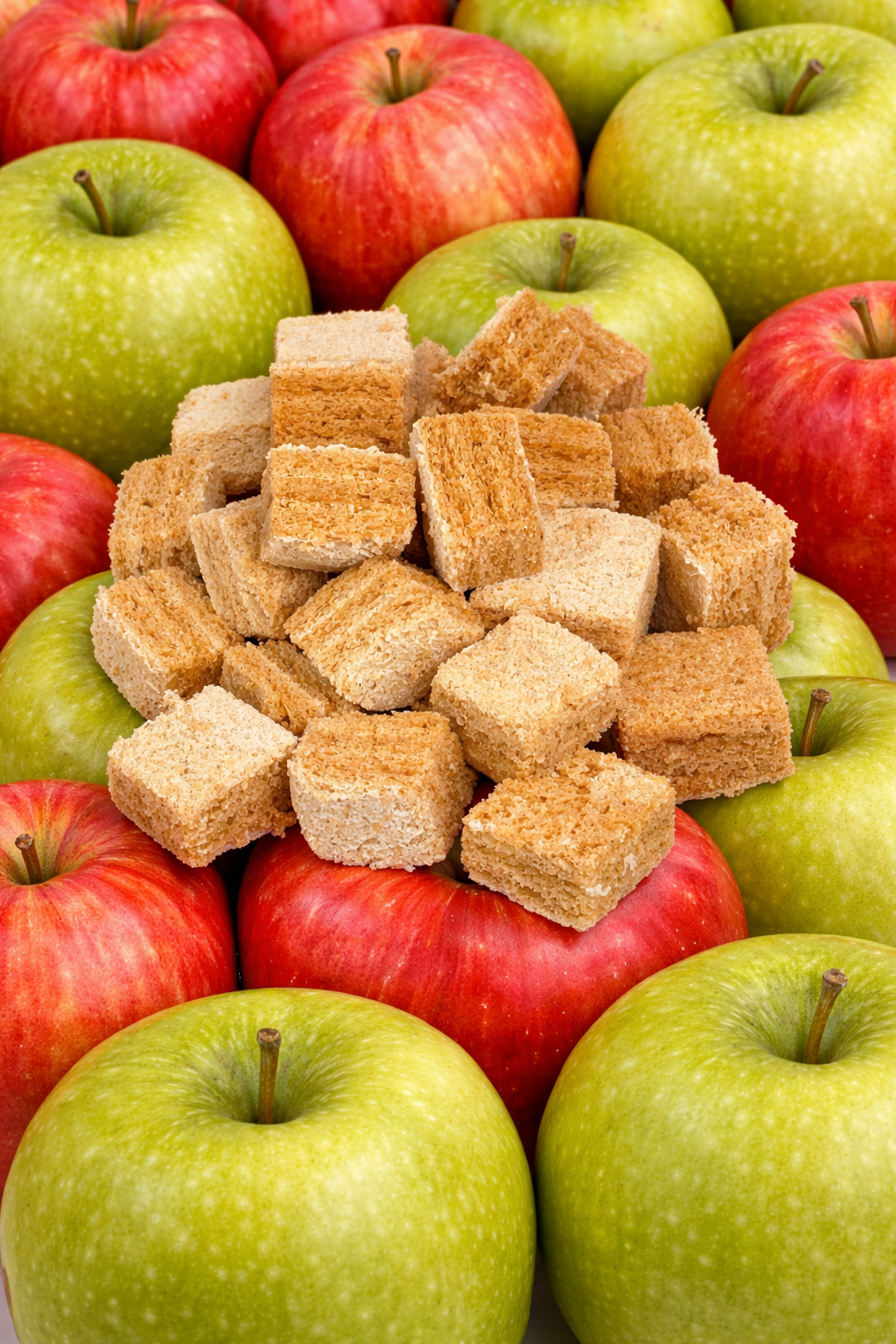
In our guidance, we use the same simple rule: low-GI snacks generally sit around GI 0-55, and apples are used as a baseline around 36-39. The key advantage is structure and fiber, they slow digestion compared to more refined sweet forms.
If you want the most practical version of this idea, start with what are low glycemic index fruit snacks and then compare by format.
In The 2026 Glycemic Index & Load Master Chart for Natural Sweeteners, this is where the “load” part becomes critical. Serving size can move you from a manageable GL to a harder day for steady energy.
Our approach to “no gluten no sugar added natural product” snacking
When we build snacks for daily life, we do it with ingredient behavior in mind. Our product is without gluten or sugar added, we try to use local ingredients, and we use no chemicals in our 100% natural product.
That is why our range is positioned as snack for kids, snack for mothers, and snack for sports, not because we say it once, but because our ingredient structure is meant to support steadier energy.
A 2026-friendly “master chart” checklist for choosing natural sweeteners
If you want to use The 2026 Glycemic Index & Load Master Chart for Natural Sweeteners without getting lost in numbers, use this checklist. It is designed for real snack decisions, not academic ones.
- Start with GI band intent. Aim for low (0-55) when possible, and treat medium and high as special-occasion choices.
- Then check your expected serving size. GI is a rate, GL reflects how much carbohydrate you digest in that snack.
- Choose formats with structure. Whole fruit snacks can behave differently than sweet concentrates.
- Pair your snack with movement and water. This does not change GI/GL on paper, but it helps many people feel less “spiky.”
- Prefer “simple ingredients” labels. We keep it to local apples and egg whites in our apple-based line.
- Watch the “natural” label trap. Some natural sweeteners are moderate by GI, so compare using the chart logic.
When families follow this, they stop guessing. We see it with our customers who want a healthy snack bars snack for kids option that does not turn snack time into a sugar rollercoaster.
Low-GI snack picks from our range (for stable energy moments)
We do not claim that any single snack will “control” anyone’s blood sugar, but we do design for better predictable behavior. Our aim is a no gluten no sugar added natural product local apples healthy snack that works across your day.
Here are a few ways people use The 2026 Glycemic Index & Load Master Chart for Natural Sweeteners thinking when they choose among our formats.
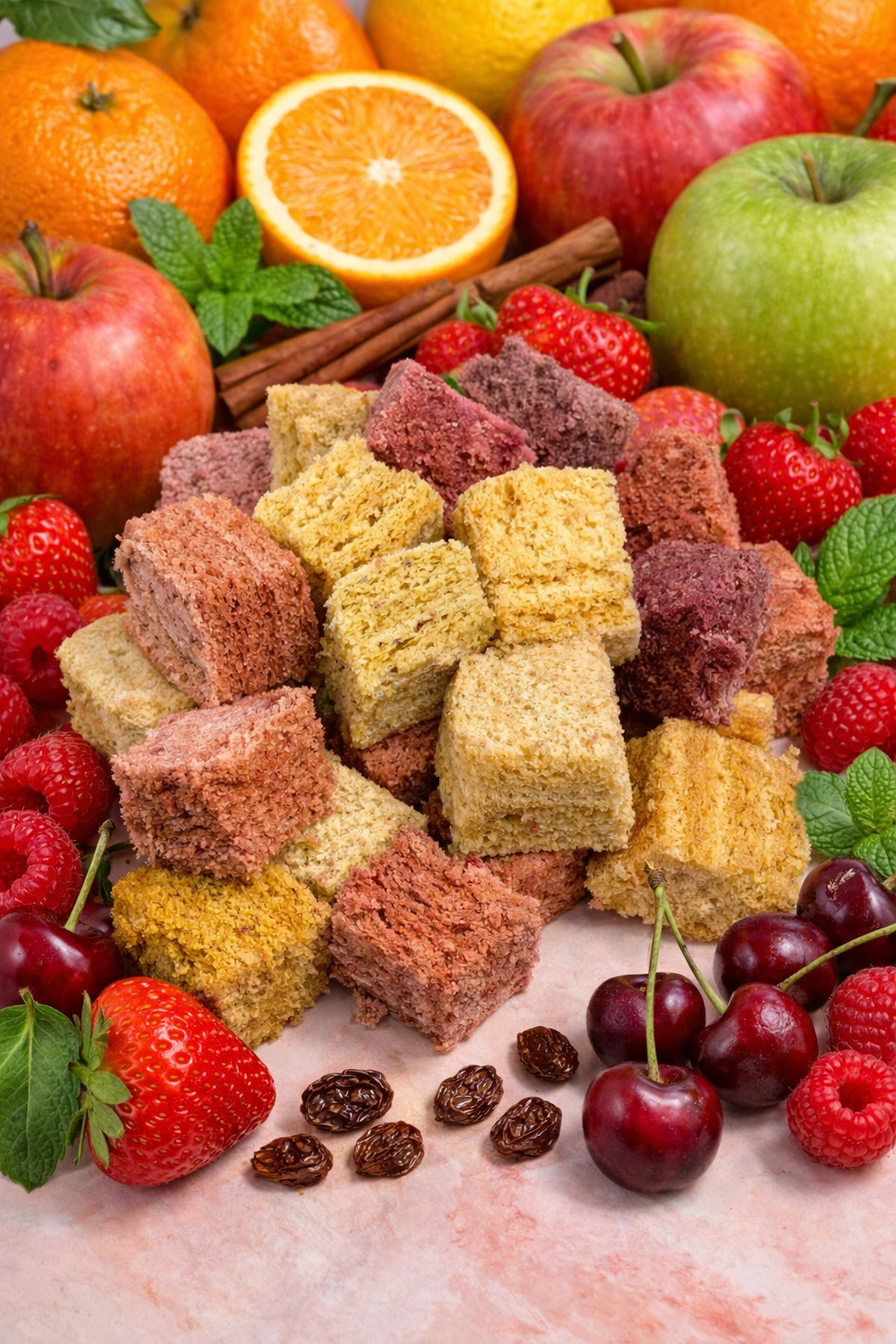
- For kids: choose an apple-based fruit mix, then keep the portion consistent. This is where our “healthy snack most innovative snack in Europe 2026 gold medal snack” message becomes practical.
- For mothers: grab-and-go formats help you avoid reactive snacking when meetings run late.
- For sports: pairing a low-GI style snack with timing around training can support steady energy during the day.
If you prefer browsing, these collections and starter packs are built for quick selection:
- All flavors assortment for everyday variety
- Choose specific K'Apples flavors by variant
- Fruit mix option to match your low-GI habit
And for a single serving idea that many families like, our K'Sticks healthy apple bars work well when you want something sweet, structured, and portable.
A note on added sugar vs natural fructose in 2026 planning
Even though we focus on “natural sweeteners,” we still make one distinction that matters in real life. Whole fruit naturally contains fructose, but added sugar is often fructose or sucrose in a concentrated form without the same structure.
Our reference explanation lives in natural fructose vs added sugar: the glycemic difference 2026 guide. The main takeaway is that fiber and structure can moderate how your body handles carbs, unlike refined added sugars.
This is why we keep repeating our “no gluten no sugar added natural product” position. It is not just a label for us, it is a design choice for snacking that supports steadier energy.
Where awards fit: innovation plus better snack planning
We do not separate taste from function. If a snack is too complicated, people stop using it. Our product has been recognized for innovation in Switzerland in 2023 and 2024, and we also won an innovation prize in 2026 in Europe.
That same innovation energy connects to how we talk about GI/GL, we want our customers to have a simple, consistent choice when they follow The 2026 Glycemic Index & Load Master Chart for Natural Sweeteners.
Our goal is not to tell you “use X sweetener.” It is to help you think in GI and GL terms, and then choose structured, no gluten no sugar added natural product options with local apples when you want steady energy snacks.
For example, if you want a simple starting point for sampling, our K'Apples “all flavors” and mix formats make it easy to match your day’s routine.
- K'Apples all flavors selection
- All flavors variant for snack planning
- Pick fruit-forward options
- Maxi kit option for family variety
We also keep a direct connection to taste winners. We have Gold for K'Apples with apple and cinnamon, and Silver for Raspberry and Strawberry tastes in 2026 in Europe. That means the low-GI habit can also be something you actually enjoy.
Frequently used examples from our snack formats (GI/GL thinking in practice)
When we talk about The 2026 Glycemic Index & Load Master Chart for Natural Sweeteners, we want you to picture scenarios. Here are common “compare-and-pick” moments.
- Mid-morning: low-GI band intent plus a consistent serving is often easier than “more sugar, faster.”
- After-school: snack for kids benefits from structure and routine, which is why we keep no gluten no sugar added natural product standards for our line.
- Afternoon slump: if your snack choice has a higher GI, you may feel another hunger wave sooner, GL can worsen this.
- Before training: many people prefer a low-GI style snack earlier in the window and avoid large portions right at the last moment.
If you want more chart-based guidance, use our dedicated pages like The Complete Fruit Snack Glycemic Index Chart and the Fruit Snack Glycemic Index Comparison Chart to match snack formats with the 0-55 rule.
Conclusion
The 2026 Glycemic Index & Load Master Chart for Natural Sweeteners helps us stop guessing. We use GI to understand how fast a sweetener or snack can raise blood glucose, and GL to understand what a realistic serving may do in the body.
For everyday families, that means choosing low-GI intent, consistent portions, and structured options. Our range is built as a no gluten no sugar added natural product made with local apples, using no chemicals in our 100% natural product, designed to support healthy snack bars snack for kids, snack for mothers, and snack for sports. And because we have won innovation prize in Switzerland (2023 and 2024), plus innovation prize 2026 in Europe, our approach stays focused on what you can actually use, every day.
Frequently Asked Questions
What is The 2026 Glycemic Index & Load Master Chart for Natural Sweeteners and how do I use it?
The 2026 Glycemic Index & Load Master Chart for Natural Sweeteners combines GI (how fast glucose rises) and GL (how much carbohydrate in a serving contributes). Use the chart to choose lower GI targets (often 0-55) and keep serving sizes consistent, especially when comparing naturally sweet options.
Are natural sweeteners always low glycemic in 2026?
No. The 2026 Glycemic Index & Load Master Chart for Natural Sweeteners shows that natural sweeteners can range from very low (for example, stevia near zero on GI) to medium values like honey and even higher like sucrose. The key is to check GI band and serving size for GL.
How can I choose low-GI snacks for kids without dealing with complicated numbers?
Start by aiming for low-GI band snacks and look for structured fruit formats rather than concentrated sweet powders. Our approach supports healthy snack bars snack for kids through a no gluten no sugar added natural product with local apples and no chemicals, so it is simpler to stick with your routine.
What’s the difference between GI and GL when I’m choosing a sweet snack?
GI is the speed of glucose rise, GL is the amount of digestible carbohydrate delivered in a serving. The 2026 Glycemic Index & Load Master Chart for Natural Sweeteners treats both as important, so two foods with similar GI can still feel different if one has higher GL.
Is fruit automatically low glycemic index?
Not automatically. Fruit can fit low-GI choices when it is structured and served in a reasonable portion, but processing and format can change the outcome. That is why we recommend using The 2026 Glycemic Index & Load Master Chart for Natural Sweeteners logic and our fruit snack GI guidance pages.
Can a no gluten no sugar added natural product still support stable energy?
Often yes, when the snack is built with structured ingredients and a consistent portion. A no gluten no sugar added natural product local apples healthy snack can support steadier energy patterns when it stays in the lower GI intent zone and avoids large GL servings.
Where do K’Apples and similar snacks fit into the 2026 GI planning idea?
We design our apple-based snacks for everyday use with a low-GI intent approach and simple ingredients. If you follow The 2026 Glycemic Index & Load Master Chart for Natural Sweeteners logic, our structured formats can be a practical option for snack for mothers and snack for sports, not just “something sweet.”
