· By www.kapples.ch
Why "No Added Sugar" Claims Often Fail Diabetic Consumers
Why "no added sugar" claims often fail diabetic consumers is a question we think about every day, especially once you learn that an estimated 537 million adults were living with diabetes globally in 2021. That is hundreds of millions of people reading front-of-pack labels that were never designed with their blood sugar in mind. At K'Apples, we build every recipe around a no gluten no sugar added natural product made from local apples, because we think a healthy snack should say exactly what it is, not just what it is not.
Key Takeaways
- "No added sugar" is not the same as "sugar-free." A product can carry the claim while still containing natural sugars from fruit purée, honey, or concentrated juice.
- Diabetic consumers rely heavily on these labels. Between 40-60% of shoppers actively look for "no added sugar" wording, often without knowing what ingredients are still allowed under it.
- Hidden sugars hide behind dozens of names. Fruit juice concentrate, agave syrup, and malt extract can all sneak into a "no added sugar" product.
- Portion size distorts the picture. A product can be "low sugar" per serving yet still push a diabetic consumer over their daily carbohydrate target if the serving size is unrealistic.
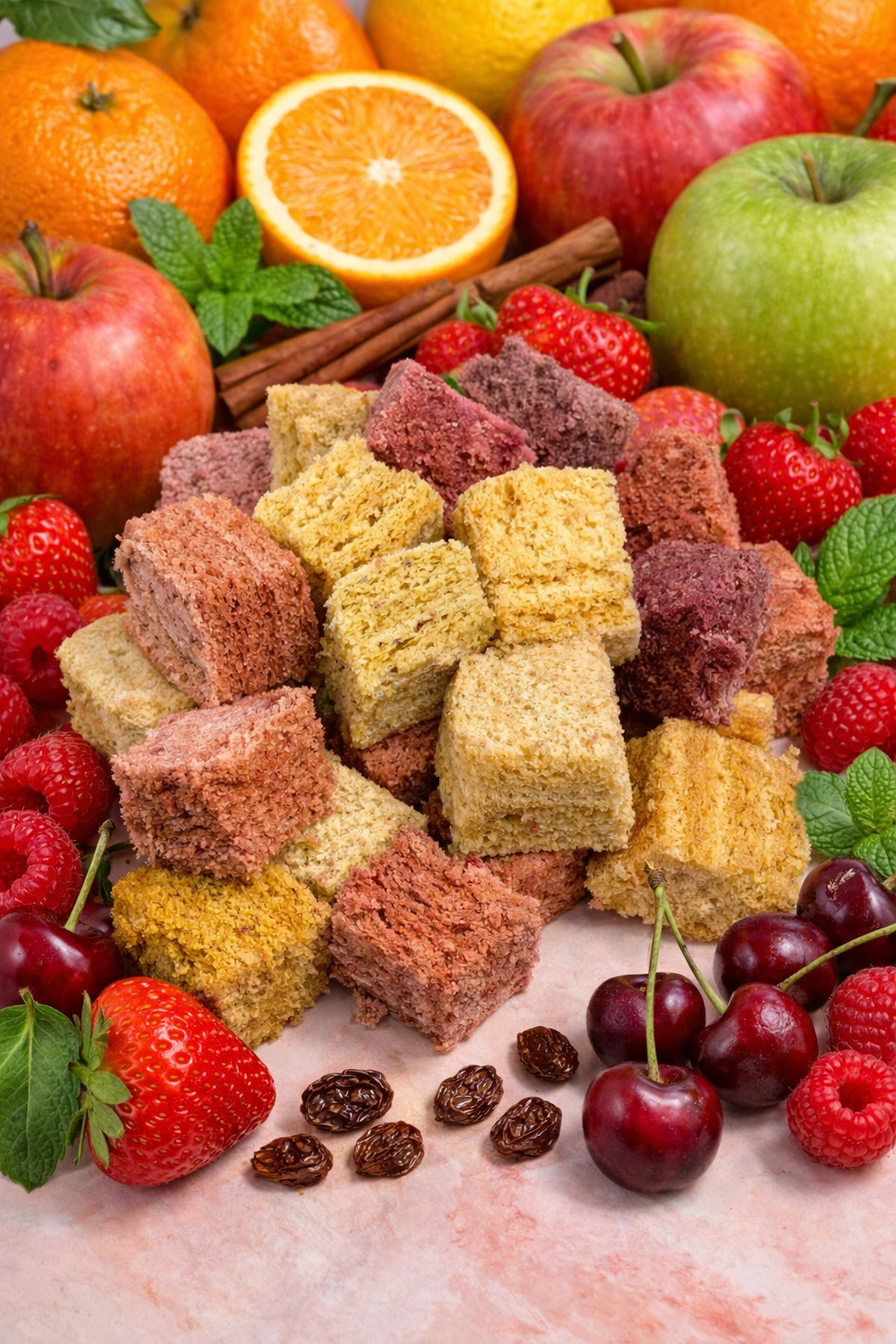
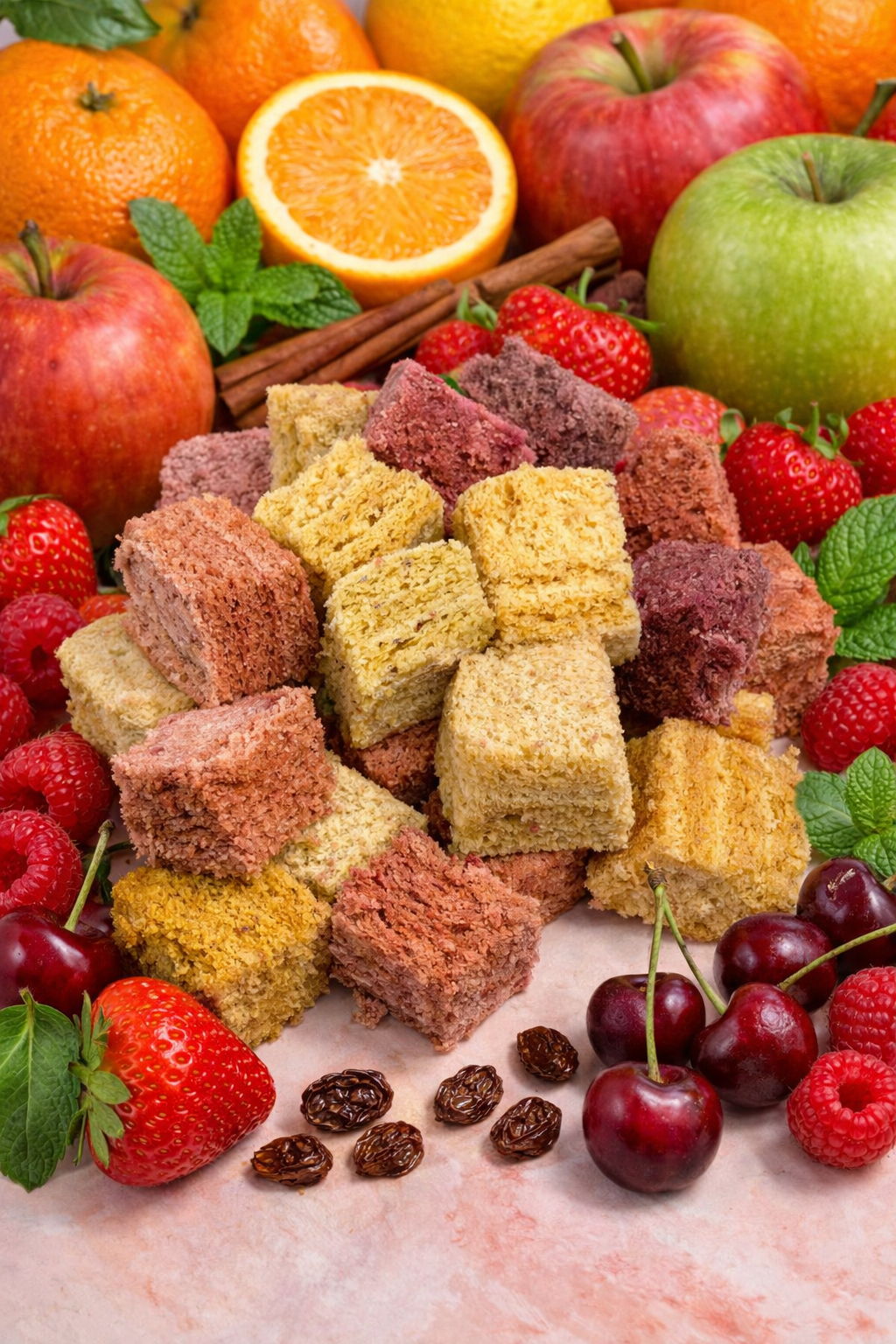
- Simple ingredient lists are safer than marketing claims. Our K'Apples all flavours range uses only cooked apples and egg whites, nothing else to decode.
- Award recognition can signal genuine quality. We were honored with innovation prizes in Switzerland in 2023 and 2024, and named among the most innovative snacks in Europe in 2026.
- Reading the ingredient panel beats reading the front label. Always flip the pack over before trusting the marketing side.
Why "No Added Sugar" Claims Often Fail Diabetic Consumers: The Core Problem
The phrase "no added sugar" only refers to sugars added during manufacturing. It says nothing about the sugars that occur naturally in fruit concentrates, dates, or honey used as a "natural" sweetening trick.
This is exactly why "no added sugar" claims often fail diabetic consumers who are counting total carbohydrates rather than just added sugar grams. A snack bar sweetened heavily with date paste can legally use the claim while spiking blood glucose just as fast as one made with table sugar.
We built our own products differently. Our K'Sticks healthy apple bars rely on cooked apple purée and egg whites, so there is no added salt, no gluten, and no sugar added, just the fruit itself doing the work.
What "No Added Sugar" Actually Means Under the Label
Regulators define "no added sugar" narrowly. In the EU, a "reduced sugars" claim only requires a 30% cut compared to a similar product, which can still leave a high absolute sugar count on the shelf.
A stricter "sugar-free" claim requires sugar content of 0.5 grams or less per 100 grams, a threshold most "no added sugar" snacks never come close to meeting. That gap between the two claims is where confusion, and risk, lives for diabetic shoppers.
The Hidden Sugars That Slip Past "No Added Sugar" Claims
The average US adult eats about 17 teaspoons of added sugar a day, much of it hiding in processed foods behind labels that look "clean" at first glance. A single 12-ounce can of regular soda alone contains around 10 teaspoons, more than the recommended daily limit for most adults in one drink.
This is another reason why "no added sugar" claims often fail diabetic consumers: the claim distracts from the bigger picture of total carbohydrate load. The CDC recommends capping added sugars at roughly 10 grams per meal, a number that is easy to blow past even with "healthy-looking" packaged snacks.
Our approach avoids the guessing game entirely. Every K'Apples product uses local apples, cooked down naturally, with no chemicals and no hidden sweeteners added anywhere in the process.
Up to 60% of front-of-pack claims fail nutrient criteria while 75% of shoppers rely on them.
Why "No Added Sugar" Claims Often Fail Diabetic Consumers Shopping for the Whole Family
Parents looking for a snack for kids and a snack for mothers face the same labeling maze diabetic shoppers do, just with less time to research it. A busy school-morning or gym-bag decision often comes down to whichever box says "no added sugar" the loudest.
That is why we designed our range as a genuinely healthy snack option for every stage of the day, whether it is a snack for sports, a lunchbox filler, or a quiet evening treat.