
· By www.kapples.ch
The 100g Maxi-kit vs standard packs: calculating endurance value
The 100g Maxi-kit vs standard packs: calculating endurance value starts with a simple distinction: grams of product tell you package weight, not how much carbohydrate or electrolyte support you get during a workout. Compare pack weight and price first, then compare the usable fuel against your training plan.
Key Takeaways
| Question | What to compare |
|---|---|
| How do I compare different pack sizes fairly? | Convert each option to the same total product weight, then compare price on that basis. |
| Does 100 g mean 100 g of carbohydrate? | No. Product weight and carbohydrate weight are different measurements. |
| How should I calculate cost per serving? | Divide the pack price by the number of equal-weight portions, or multiply cost per gram by your chosen portion weight. |
| How much endurance fuel should a session use? | Multiply your carbohydrate target per hour by workout duration, then divide by the carbohydrate in a serving. |
| What else belongs in the value calculation? | Include portability, hydration needs, and the chance of unused leftovers. |
| Where can I plan fruit-snack portions? | Use our portion calculator for Swiss fruit snacks for a separate fruit-portion estimate. |
| Where can I learn about the snack range? | Our Swiss apple snack brand overview introduces the K’Apples range. |
Start by separating pack size from kit size
A 100 g label can describe an individual pack, while a kit count describes how many packs are bundled together. Ten packs tell you the number of units, not the total grams: calculate total kit weight by adding the weight of every individual pack.
Our K’Apples. Different kits offer 65 g and 100 g sizes, with a Maxi-kit option described as containing 10 packs; the listed price is $62.00. That makes it useful for understanding how size choices and bundle count differ, before you compare it with standard packs.

Normalize the comparison to an equal amount of product. For example, compare one 100 g pack with two 50 g packs, or add up the grams across every pack in a kit before working out its unit cost.
Product grams measure food weight. They do not directly measure carbohydrate, electrolytes, energy available during exercise, or how long a workout the pack can support.
Calculate cost per gram and per comparable portion
Use one consistent formula: cost per gram = pack price ÷ total product grams.
Then choose a standard portion weight and calculate its cost.
The K’Apples mix is a colourful selection that includes classic apple cinnamon, apple and blueberry, and lime and mint. It is priced at $7.00, making it a practical example of a flavour bundle to compare using the same total-weight and portion-weight calculations.
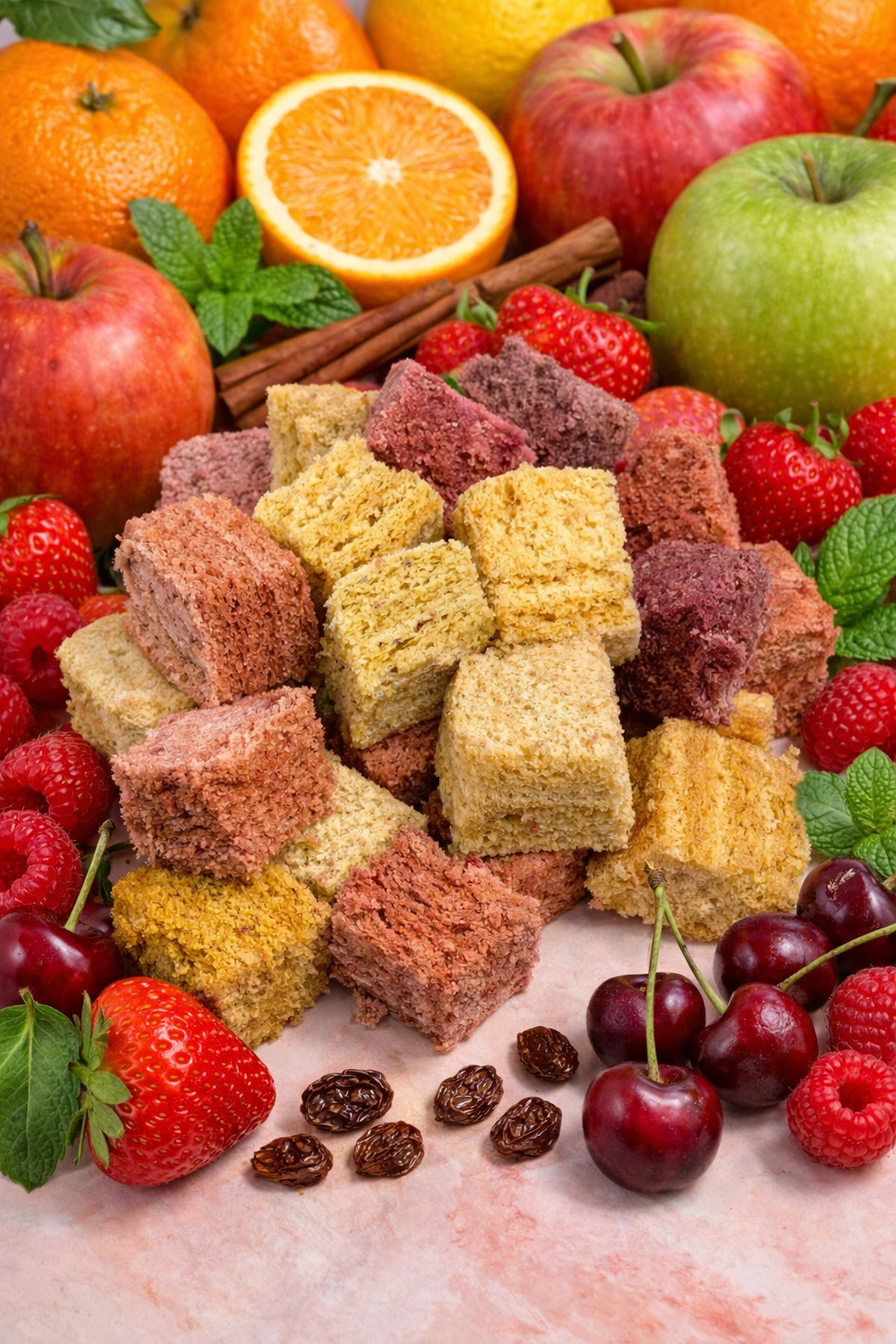
For a fair price check, compare the same currency and package basis. A headline price alone cannot tell you whether one option supplies more product or more of the fuel you plan to use.
The 10-pack Maxi kit provides a rotation of snack tastes. Its description presents it as a 100% natural product with no gluten and no added sugar, useful details when you are also comparing ingredients and snack preferences.
For a fixed budget, divide the budget by the price of each option to find how many packs it buys, then compare the total grams or planned portions those packs provide. Keep that calculation in one currency, and use the size of the pack actually being compared.
Compare endurance fuel by carbohydrate and electrolytes
To compare energy fuel, use the carbohydrate amount on the nutrition information, not total product grams. Calculate cost per carbohydrate gram = price ÷ total carbohydrate grams; this measures the fuel more directly than cost per gram of food.
Compare sodium and other electrolytes separately. A 100 g snack does not reveal its sodium contribution, and carbohydrate figures cannot stand in for electrolyte information.
Our K’Apples. All the flavours are apple purée snacks available in multiple flavours and 65 g and 100 g sizes, with a listed price of $10.00. This range suits a flavour comparison, while a training-fuel comparison still needs the carbohydrate and electrolyte figures for the serving being planned.
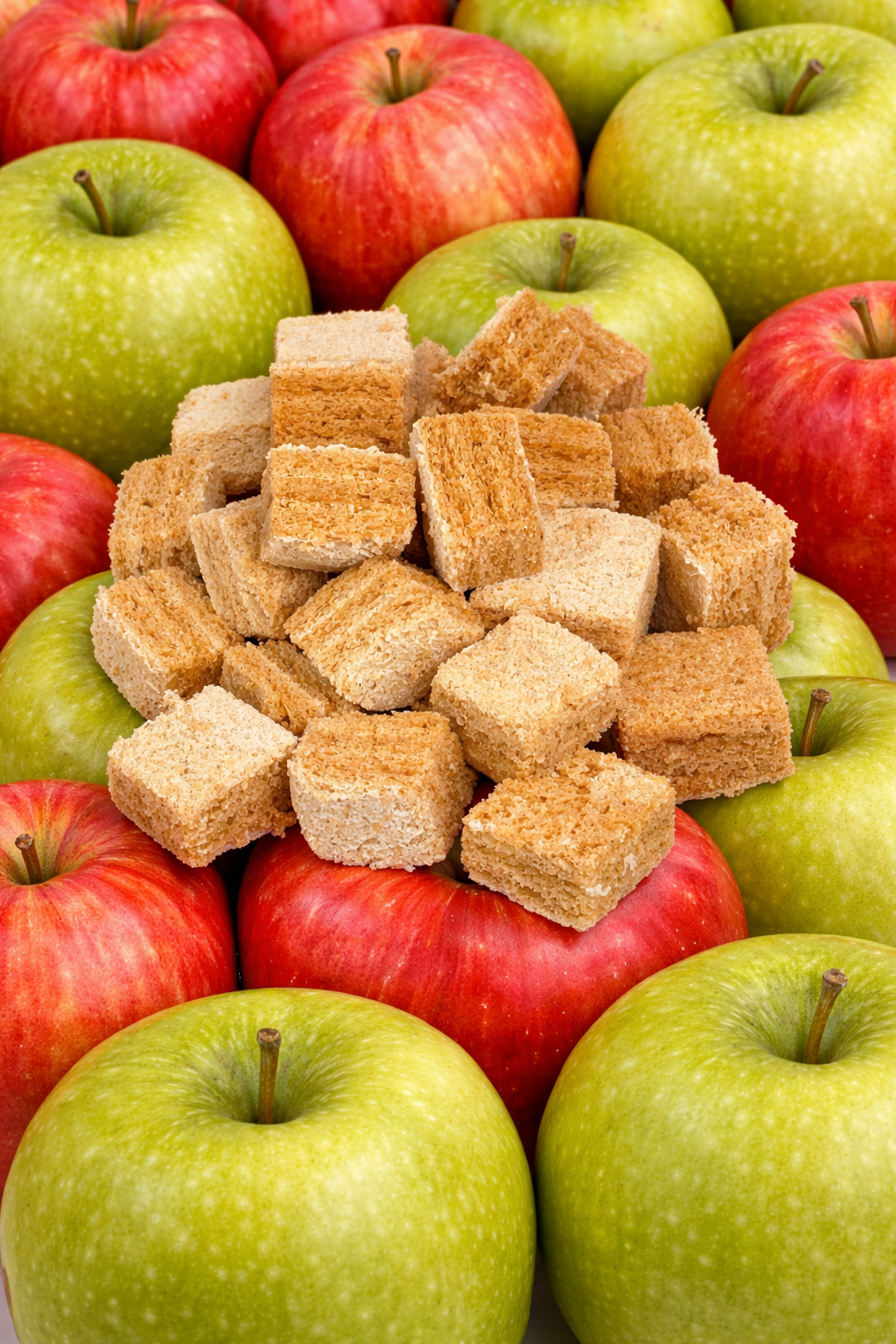
The K’Apples Maxi Kit is a tasting box of 10 individual packets, one of each flavour, made with baked Swiss apple purée and egg whites; its listed price is CHF 69. That makes it a clear example of why pack count and product weight should be kept separate from a carbohydrate-based fuel comparison.
Apple-purée snacks can be useful foods, but do not treat them as quantified sports-fuel equivalents based on pouch size. Read the serving size and carbohydrate line together, and compare sodium or other electrolyte values on their own terms.
Translate a training plan into product quantity
For many endurance sessions lasting about 1–2.5 hours, a common starting range is 30–60 g of carbohydrate per hour. Longer events may call for up to 90 g per hour, built around individual tolerance and training.
First multiply your hourly target by workout duration. Then divide that total by the carbohydrate in one serving to estimate how many servings to carry.
- Example: A two-hour session at a planned 45 g per hour has a 90 g carbohydrate target.
- If a hypothetical serving contains 30 g of carbohydrate, that plan calls for three servings.
Those serving figures are examples, not claims about a particular K’Apples pack. Use the actual nutrition information for the product and size you have selected.
Build intake progressively in training and adjust it for intensity, workout duration, and gut tolerance. One serving size does not suit every athlete or every session, so make the calculation fit the plan rather than making the plan fit the package.
Account for water, carrying, and leftovers
Keep hydration separate from food weight. Fluid needs change with the person and conditions, and a snack’s package size does not establish a water-to-mix ratio.
For powdered endurance fuel, follow the product’s preparation directions for the intended water-to-mix ratio. A ready-to-eat apple-purée snack is a food portion, so plan drinking water separately rather than calculating hydration from its grams.
Individual packs can be convenient when you want separate portions across a long outing. A larger bundle may reduce the need to assemble snacks for several sessions, but it still takes space and requires carrying the portions you plan to use.
Our Maxi Kit offers 10 varied packs of a 100% natural product made from local apples, with no gluten and no added sugar. It suits people who want different individual packs available across multiple outings.
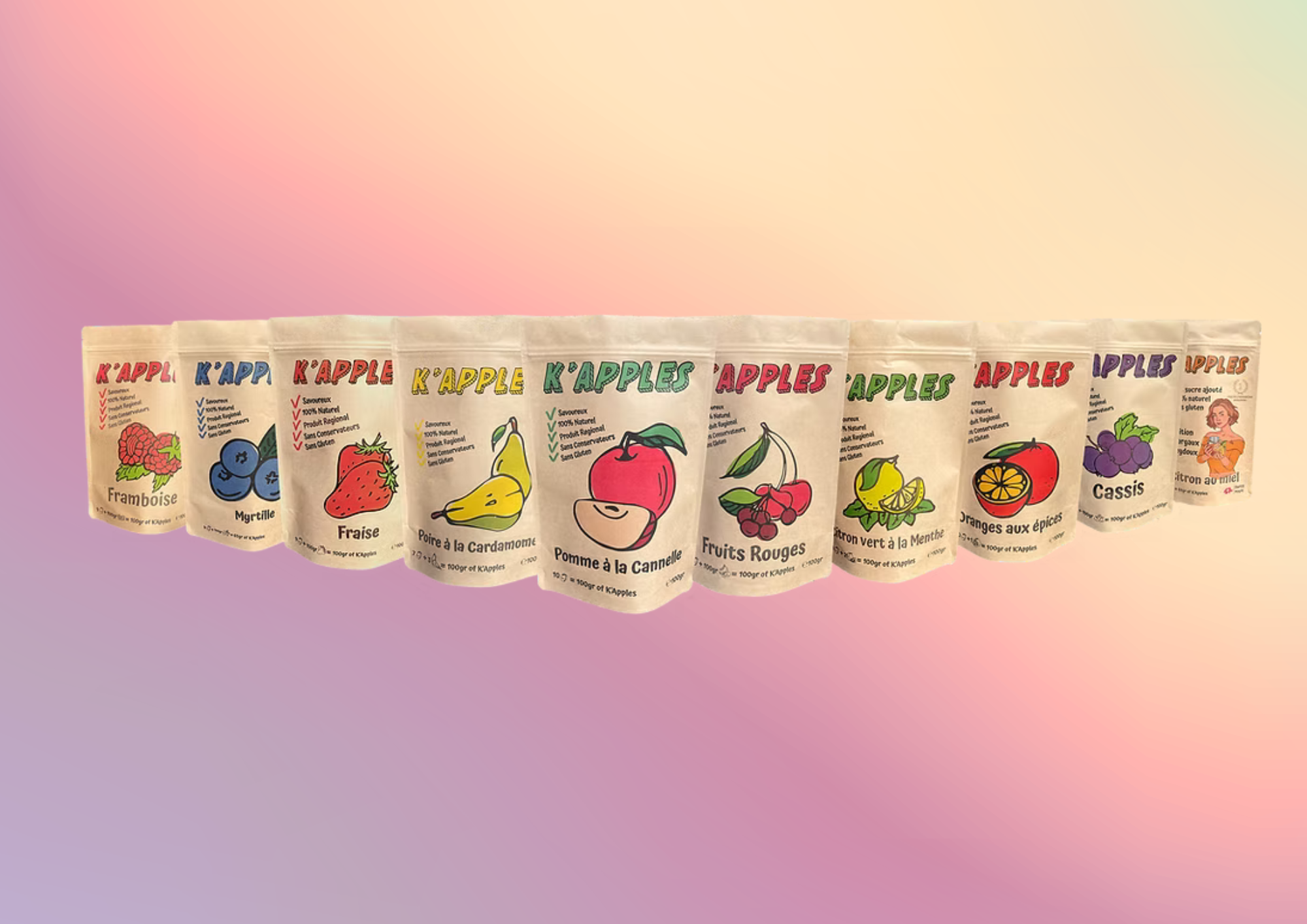
We use local ingredients and make our 100% natural product without chemicals. When calculating value, include leftovers: a low cost per gram is less useful if the format leaves portions unused.
Choose the format that matches the way you will use it
A multi-pack makes sense when you want varied portions or flavours across several outings. A standard pack can be the better fit when its size matches one planned use and leaves less food to carry or store afterward.
A variety kit makes it easier to try different flavours, but calculate value using the packs and amounts you expect to consume. Unused flavours should not count as fuel value in a session plan.
Rank options by cost per planned serving of usable fuel, portability, and waste risk, rather than by headline price or cost per gram alone. A pack can be inexpensive by weight and still be a poor fit if its carbohydrate amount, serving size, or carrying format does not suit your workout.
Frequently Asked Questions
Can an apple-purée snack replace a sports gel during a race?
It can contribute to race fueling when its carbohydrate content fits your plan and you have practiced using it at race pace. Before race day, test how easily you can open, consume, and carry the pouch while moving.
Is it better to take small portions frequently or one larger portion during a long workout?
Many athletes find smaller, planned intakes easier to manage at higher intensity, while one large portion can feel uncomfortable during movement. Use training sessions to find the timing and amount that work for your pace and digestion.
How should fueling change for a short, easy workout?
For an easy outing that fits comfortably between regular meals, many people can begin normally fed and focus on their usual hydration rather than adding a dedicated mid-session fuel target. Your pre-exercise meal and recovery needs still matter.
Can a variety kit help identify which flavours are easiest to tolerate while running or cycling?
Yes. Try one flavour at a time on separate training outings and note whether its taste and texture remain appealing as effort rises, so you can make a deliberate choice for race day.
See also: K Extra New Photo, K'Apples. All the flavours.
Conclusion
The 100g Maxi-kit vs standard packs: calculating endurance value means comparing equal product weights, equal portions, and then the carbohydrate and electrolytes that your endurance plan actually uses. Add cost per planned serving, portability, and likely leftovers to the calculation, and choose the format that fits the way you train.
