
· By www.kapples.ch
NIDDK Diabetes Meal Planning: How to Count Fruit Carbohydrates in an Apple
For NIDDK diabetes meal planning, the practical question is how an apple’s fruit carbohydrate fits the portion and the rest of the meal. You can include apples by estimating the amount you eat, counting its carbohydrates, and fitting that total to your own plan.
Key Takeaways
- A small apple provides a useful carbohydrate-counting reference, but apple size and the portion eaten affect the count.
- Weighing an apple or portion makes estimates more consistent than judging by appearance alone.
- Whole apples, juice, dried apples, and packaged snacks have different serving characteristics, so count the form and portion you actually eat.
- With carbohydrate counting, include the apple in the meal or snack total. With the plate method, fit fruit into your planned carbohydrate choices.
- Protein or unsaturated fat can make an apple snack more satisfying, but does not cancel the apple’s carbohydrate.
- For more fruit-snack ideas, see our guide to diabetic-friendly fruit snacks.
Start with a practical apple serving
A useful starting point is a small apple weighing about 4 ounces with its skin, core, and peel. The Cleveland Clinic diabetes nutrition guide counts one small apple of that weight as one serving of 15 carbohydrate grams, or one carb choice.
Use that amount as a reference, not as a universal portion target. A larger apple generally contains more carbohydrate than a smaller one, so count the amount you actually eat rather than automatically recording every apple as one serving.
Whole apples provide fiber along with carbohydrate. Fiber is part of the fruit, but it does not make the apple’s carbohydrate disappear from your meal plan.
A small piece of fruit like an apple has about 15 grams of carbohydrates per serving.
Source: MedlinePlus
Estimate portions when apple sizes vary
When you are unsure how much an apple weighs, use a kitchen scale to weigh the whole apple or the portion you plan to eat. You can also compare the amount eaten with a reliable nutrition source that gives information for a matching portion, because visual size alone can mislead.
For a shared apple or one you leave partly uneaten, count the fraction you ate rather than the whole fruit. Using the same measure each time, such as weight or a consistently portioned serving, helps keep carbohydrate estimates comparable from meal to meal.
our portion calculator for Swiss fruit snacks is another way to think through measured snack portions. A consistent method is especially helpful when you are recording food to discuss with your care team.
Whole apples and apple products are not interchangeable
A whole apple keeps its structure and fiber, while juice has little of the fruit’s fiber and is easy to drink quickly. Count juice according to the amount poured, rather than treating a glass as equivalent to one whole apple.
Dried apples contain less water than fresh fruit, so a small volume can represent a concentrated portion of carbohydrate. Use the portion eaten and reliable nutrition information for that specific amount.
Unsweetened applesauce, canned apples, and frozen apples still contribute carbohydrate. Added sweeteners can increase the amount, so distinguish sweetened preparations from unsweetened ones and count the serving you use.
For packaged snacks, use nutrition information for the specific product and portion. A fruit-based description by itself does not tell you how much carbohydrate is in the amount you eat.
For a mix of apple-snack flavours, K'Apples mix includes options such as classic apple cinnamon, apple and blueberry, and lime and mint. It costs $7, and it suits this section because a mixed snack still needs to be counted by its own portion and nutrition information.
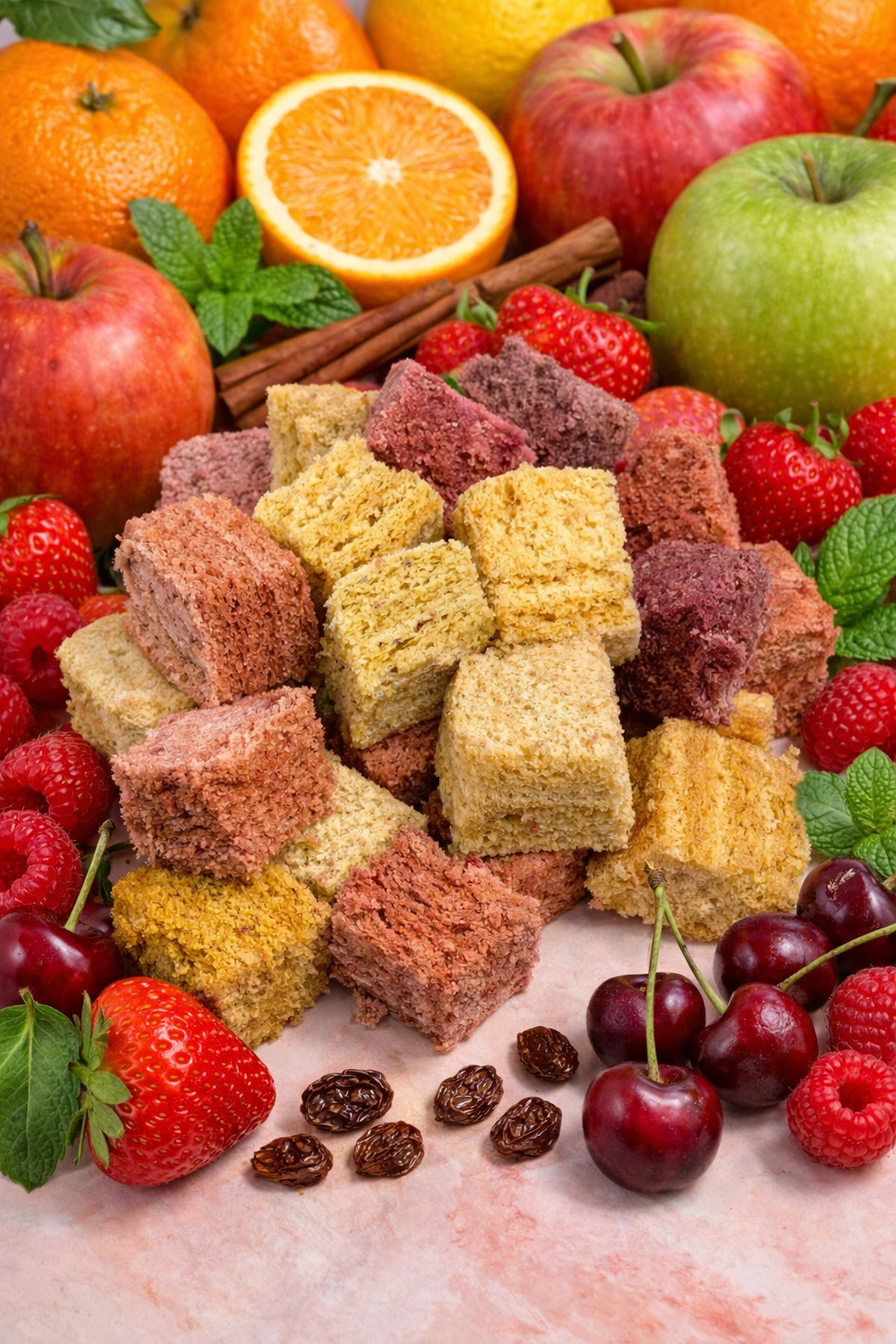
Our fruit snacks use local ingredients, are gluten-free, and have no added sugar. Those qualities do not remove the fruit carbohydrate, so include the amount eaten in your plan.
These images show apple-based snack examples, not a carbohydrate count for a particular serving.
For product-specific nutrition context, our natural apple snack nutrition chart focuses on K'Apples snacks. Use the relevant serving information for the product and amount you choose when counting carbohydrates.
Count the apple within the meal, not on top of it by default
With carbohydrate counting, add the apple’s estimated carbohydrate to the total for the meal or snack, then compare that total with the target in your plan. This keeps the apple in view alongside the other carbohydrate foods you eat.
If a meal already includes bread, rice, potatoes, or another carbohydrate food, decide whether the apple replaces some of that planned carbohydrate or is included in addition to it. The right choice depends on how your meal plan is set up, not on a rule that fruit must always be added or avoided.
With the plate method, fill half the plate with non-starchy vegetables, one quarter with protein, and one quarter with carbohydrate foods. Plan fruit as part of your meal’s carbohydrate choices according to your individual plan.
For further snack-planning ideas, our diabetic snack carbohydrate chart offers another way to consider portions within a snack routine.
Make an apple snack satisfying and countable
Pairing apple with a source of protein or unsaturated fat, such as plain yogurt, nuts, or nut butter, can make a snack more satisfying when it suits your plan. The pairing does not cancel the apple’s carbohydrate, so count the fruit and the other foods separately.
For a portable snack, portion the apple and any accompanying food before eating. This makes it easier to count the whole combination instead of estimating it afterward.
A fruit bar is a different prepared snack format from a whole apple. K'Sticks. Healthy apple bars are made with fruits, a touch of egg white, and a thin layer of chocolate, with several fruit-and-chocolate taste options. At $4, they offer a portable format, but count the bar’s own portion using reliable carbohydrate information rather than assuming it equals one apple.

Adapt portions to your plan, medicines, and response
Meal and snack timing can depend on medicines, activity, appetite, and daily routine. Follow the timing advice in your care plan instead of applying one universal schedule for apples.
Use the carbohydrate target already set for the meal or snack. If you repeatedly feel unsure about apple portions or how to count packaged fruit snacks, discuss the pattern with a registered dietitian or another health care professional.
If glucose readings are part of your care plan, discuss patterns after meals with your care team. Do not change medication based on a single reading or a single food choice.
Frequently Asked Questions
Are green apples lower in carbohydrates than red apples?
Color alone is not a dependable way to estimate an apple’s carbohydrate. Size and the amount eaten are more useful for counting than whether the skin is green or red.
Does peeling an apple substantially change its carbohydrate count?
Peeling removes some of the apple’s fiber, but carbohydrate is also present in the flesh. Count the portion you eat rather than treating a peeled apple as carbohydrate-free.
Does cooking an apple change how its carbohydrates should be counted?
Cooking does not remove the apple’s carbohydrate, and ingredients such as sugar, honey, or syrup add more. For a recipe, count the apple and other carbohydrate-containing ingredients across the portion you serve.
Can I eat an apple if my blood glucose is already high?
Use the high-glucose instructions in your care plan to decide what to do next. An apple is food, not a treatment for high blood glucose, so do not use it in place of the actions your care team has prescribed.
Should I count total or net carbohydrates on a packaged apple snack?
Use the carbohydrate measure your meal plan or care professional tells you to use. If you are uncertain how the label’s carbohydrate and fiber figures apply to your plan, ask a registered dietitian or health care professional to walk through a real package with you.
Can I include an apple in a meal planned with the plate method?
Yes, fruit can be part of the carbohydrate choices in a plate-method meal. The amount that fits depends on the carbohydrate portions already planned for that meal.
See also: K Extra New Photo, K'Apples. All the flavours.
Conclusion
Good NIDDK diabetes meal planning does not require avoiding apples. Use a small apple as a practical carbohydrate-counting reference, adjust for the actual portion, and include its fruit carbohydrate in the meal or snack total.
Whole apples, juice, dried fruit, applesauce, and packaged snacks each need portion-aware counting. Adapt apple choices to your meal plan, routine, medicines, and guidance from your care team.
