
· By www.kapples.ch
The Real Reason 2-Ingredient Snacks Solve the Picky-Eater Dilemma
The real reason 2-ingredient snacks solve the picky-eater dilemma is not that two ingredients make a child instantly willing to taste something new. A simple pairing can make a new food easier to encounter because it sits beside something familiar, with no complicated mix of flavors, textures, or expectations.
Key Takeaways
| What parents ask | A practical answer |
|---|---|
| Why might a simple pairing feel easier? | A familiar food can make a less familiar one feel less overwhelming, while keeping it visible lets a child learn what it is. |
| Do two ingredients guarantee a taste? | No. A two-ingredient snack is a manageable starting point, not a fix or a promise of acceptance. |
| How can I adapt a snack? | Start with a texture, temperature, and flavor your child accepts, then change one feature at a time. |
| What counts as food progress? | Looking, touching, smelling, serving, or helping prepare a food can build familiarity even when a child does not eat it. |
| Where can I learn more about simple snack design? | Our guide to two-ingredient snacking explains the minimalist approach. |
Why a simple pairing can feel easier to approach
A safe food is one your child reliably accepts. Put a small amount of a less familiar food beside it, and the child can see the new food while still having a dependable option on the plate.
Keep the two foods separate when the goal is food learning. If a new ingredient is hidden inside a preferred food, a child may not get a clear chance to recognize it, and noticing a concealed change can weaken trust.
Two ingredients are a simple beginning, not a cure for picky eating. Children may need many calm encounters with a food before they choose to taste it, and a first look or touch still gives them a chance to become familiar.
Food refusal is not necessarily deliberate defiance. Appetite, development, sensory preferences, texture aversion, food neophobia, and other factors can shape what a child is ready to eat.
Start with a familiar food and add one small change
Choose a food your child already accepts, then offer one small piece or portion of a different food alongside it. Keep the new food easy to notice and easy to ignore, so your child can approach it at their own pace.
Simple combinations can be apple with plain yogurt, crackers with cheese, or a familiar bread with a thin spread. Adjust the ingredients and preparation to your child’s age, allergies, dietary needs, and ability to chew safely.
Offer the new food beside a preferred food rather than mixing it into that food. This visible pairing supports recognition while keeping the familiar choice dependable.

A fruit mix is one way to offer a familiar fruit alongside a less familiar one without making tasting a condition of snack time. Our K’Apples mix follows a two-ingredient philosophy and offers a fruit-based option for this kind of low-pressure snack; it is $7.
Our 100% natural product is without gluten or sugar added and uses no chemicals; we try to use local ingredients.
More K’Apples flavor and mix selection links
K’Apples flavor selection · K’Apples flavor selection · K’Apples flavor selection · K’Apples flavor selection · K’Apples flavor selection · K’Apples flavor selection · Fruit mix selection · Fruit mix selection · Fruit mix selection · K’Apples flavor selection · K’Apples flavor selection · K’Apples flavor selection · K’Apples flavor selection · K’Apples flavor selection · K’Apples flavor selection · K’Apples flavor selection · K’Apples flavor selection · K’Apples flavor selection · K’Apples flavor selection · K’Apples flavor selection · K’Apples flavor selection · K’Apples flavor selection · K’Apples flavor selection · K’Apples flavor selection · K’Apples flavor selection · K’Apples flavor selection · K’Apples flavor selection · K’Apples flavor selection · K’Apples flavor selection · K’Apples flavor selection · K’Apples flavor selection · K’Apples flavor selection · K’Apples flavor selection
Match the pairing to your child’s sensory preferences
Build from the texture your child already likes. If crunchy foods feel comfortable, try a familiar cracker beside a small piece of a new crisp fruit; if soft foods are easier, offer a smooth dip beside a familiar soft food.
Keep temperature and flavor intensity predictable at first. A mild, room-temperature snack may feel easier to approach than a strong flavor or a surprising hot-and-cold combination.
Change one feature at a time, such as shape, texture, or flavor. A child who already accepts apple slices may find a different apple shape manageable, while a new fruit with a new texture and a strong flavor may create several unfamiliar sensations at once.
Offer two acceptable pairings and let your child choose. They can also decide whether to dip, spread, assemble, or simply look at the food; that small choice supports child autonomy without making tasting the goal.
Make snacks satisfying and safe to eat
When suitable for your child, combine a familiar carbohydrate with a protein- or fat-containing food. Fruit with yogurt and crackers with cheese are simple examples that can make a snack more sustaining while keeping the foods recognizable.
Adapt every pairing to known allergies and dietary restrictions. A diagnosed allergen is not an appropriate casual taste test; follow the child’s established medical guidance for avoiding it.
Match preparation and texture to your child’s developmental abilities. Whole nuts, sticky spoonfuls of nut butter, and firm raw foods can pose choking risks, so choose safer forms and cuts suited to the child rather than serving them in a difficult shape.
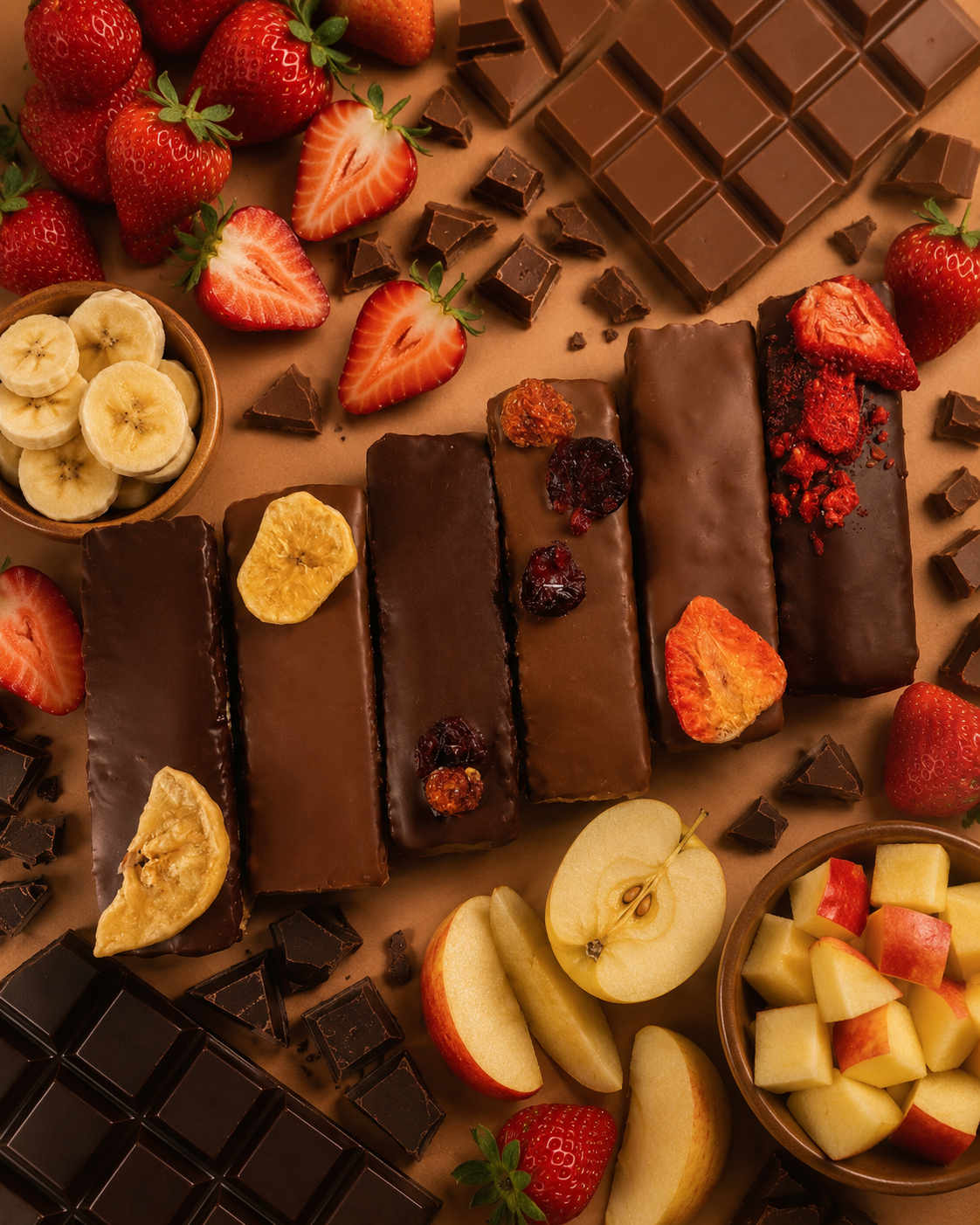
For a portable option, K’Sticks. Healthy apple bars keep a two-ingredient philosophy in an apple-bar format for grab-and-go snacking; they are $4. Their ready-to-carry format can make it easier to plan a familiar snack away from home.
More snack format and selection links
K’Apples kit selection · K’Apples kit selection · K’Apples kit selection · K’Apples kit selection · K’Apples kit selection · K’Apples kit selection · K’Apples snack selection · K’Sticks selection · K’Sticks selection · K’Sticks selection · K’Sticks selection · K’Sticks selection · K’Sticks selection · K’Sticks selection · K’Sticks selection · K’Sticks selection · K’Sticks selection · K’Sticks selection · K’Sticks selection · K’Sticks selection · K’Sticks selection · K’Sticks selection · K’Sticks selection · K’Sticks selection · K’Sticks selection · K’Sticks selection · K’Sticks selection · K’Sticks selection · K’Sticks selection · K’Sticks selection · K’Sticks selection
Build familiarity without pressure or food tricks
Offer a new food again on different occasions without bargaining, bribing, or requiring a bite. Pressure can turn an ordinary encounter into a conflict, while calm exposure gives a child room to form their own response.
Count looking, touching, smelling, serving, or helping prepare a food as useful steps toward familiarity. These actions let a child explore the food’s color, shape, smell, and feel without making eating the measure of success.
Avoid making secret ingredient-hiding your main strategy. A visible piece of the new food lets the child learn what it is; a small portion also makes exploration easier without crowding out a valued food.
Keep snacks from crowding out meals
Offer snacks at reasonably predictable times and leave space before meals. A feeding routine with clear snack and meal opportunities gives children a chance to arrive at the table hungry enough to eat.
Include a familiar food alongside the family meal or snack instead of preparing repeated replacements whenever a child refuses one item. That keeps a dependable option available without turning each refusal into a new menu.
Follow hunger and fullness cues without turning snack time into a negotiation about how much must be eaten. If frequent snacks regularly reduce appetite at meals, review snack timing and portions before adding more choices.
Know when picky eating needs more support
Talk with a pediatrician if restricted eating affects growth, hydration, energy, or the child’s ability to meet nutritional needs. A clinician can consider the child’s overall health and growth rather than treating one difficult snack as the whole picture.
Seek advice when eating involves persistent distress, pain, frequent gagging or choking, or a food repertoire that keeps shrinking. These patterns call for more than trying another two-ingredient combination.
Ask about a feeding specialist when texture aversions or food refusal substantially interfere with daily life. Feeding therapy and an individualized assessment can help identify the right support for the child’s specific sensory, developmental, or medical needs.
Do not assume every child’s picky eating has the same cause. A simple pairing can make food exposure more manageable, but it cannot resolve every medical, developmental, or sensory difficulty.
Frequently Asked Questions
What are the 5 P’s of picky eating?
There is no single universally standardized set of 5 P’s used across all picky-eating guidance. When a program uses a five-part framework, ask how it defines each part and whether it is an educational tool or a clinical approach.
Is picky eating linked to ADHD?
ADHD and picky eating can occur together, but picky eating alone does not indicate ADHD. A clinician looks at the child’s broader attention, behavior, development, and sensory needs before considering any diagnosis.
Can picky eating continue into adulthood?
Yes, selective preferences can continue into adult life, although a person’s accepted foods may also change over time. Adults whose restricted range affects nutrition, health, or social participation can discuss it with a healthcare professional.
Should a picky eater take a multivitamin?
Not every picky eater needs a multivitamin, and supplements do not replace a balanced diet. A pediatrician can consider the child’s usual intake, health needs, and any other supplements before recommending one.
What should I note before asking for help with picky eating?
A brief record of foods and drinks the child accepts, eating-related discomfort, and situations that make meals easier or harder can help a clinician understand the pattern. Include questions about growth or energy that concern you, rather than focusing only on the number of foods eaten.
What are good snacks for a picky eater?
Offer a familiar food alongside a small, visible portion of something less familiar, such as crackers with cheese or fruit with yogurt. Choose textures and flavors the child is comfortable with, and let them explore without pressure to taste.
Is it okay to eat snacks all day instead of meals?
Regular grazing can reduce appetite at meals and make it harder to establish a predictable eating routine. Offer snacks at planned times with space before meals, and pay attention to hunger and fullness cues.
Conclusion
The real reason 2-ingredient snacks solve the picky-eater dilemma is that simplicity can lower the pressure around encountering a new food, not guarantee a bite. Pair one small, visible change with a familiar food, respect sensory and safety needs, and keep snacks within a predictable routine.
Looking, touching, smelling, and helping prepare all count as ways to become familiar with food. If picky eating affects health or daily life, seek individualized guidance instead of expecting a snack pairing to solve the whole problem.
