
· By www.kapples.ch
Why dental health professionals prefer apple fiber over gummy snacks
When readers ask why dental health professionals prefer apple fiber over gummy snacks, the practical comparison comes down to texture, chewing and how long sugars and acids stay in contact with teeth. A whole apple can be a more tooth-friendly snack than sticky candy, but it does not clean teeth or replace daily oral care.
Key Takeaways
- Sticky texture matters: Chewy gummies can cling to teeth and around braces, while whole fruit is juicy and takes more chewing.
- Apple fiber has limits: An apple’s structure encourages chewing and saliva flow, but its natural sugars and acidity still matter.
- Form changes the comparison: Juice, purée, dried fruit and whole apples do not offer the same chewing experience or sugar concentration.
- Frequency counts: Repeated snacking means repeated acid exposure, so eating a sweet snack in one sitting is a better pattern than grazing.
- Crunch is optional: For braces, sensitive teeth or chewing difficulty, choose manageable pieces or softer foods rather than forcing a raw apple.
- Oral care remains essential: Brush with fluoride toothpaste, clean between teeth daily and keep regular dental appointments.
- Gummy ingredients and snack choices are worth comparing, along with the different fibers in Swiss apples.
How gummies, plaque bacteria and acids raise cavity risk
Plaque is a thin film of bacteria that gathers on teeth. When oral bacteria use fermentable sugars from food, they produce acids that remove minerals from tooth enamel; repeated acid attacks increase the risk of cavities.
Chewy gummies can stick in the grooves of molars and around orthodontic brackets, extending the time their ingredients remain in contact with teeth. A snack that clears quickly leaves less residue behind, although the ingredients and how often someone eats it also matter.
Sugar-free gummies sweetened with non-sugar alternatives avoid fermentable sugar from those sweeteners, but their chewy texture can still make them cling. Some gummies also contain acidic ingredients, which expose enamel to acid even when they are sugar-free.
There is no single food that causes every cavity, and no universal number-one cavity-causing food. Frequent exposure to fermentable sugars, including sugars in sticky sweets, is a key concern because plaque bacteria can produce acid each time they encounter them.
That is why the question of why dental health professionals prefer apple fiber over gummy snacks is not simply about whether a snack is called natural or sugar-free. Texture, acidity, ingredients, portion habits and time in the mouth all shape the comparison.
Frequent grazing gives teeth less recovery time between acid attacks. For a more tooth-conscious routine, have a sweet snack in one sitting rather than returning to it repeatedly over a long period.
What apple fiber and crunch can, and cannot, do
A whole apple contains water and a fiber-rich structure that takes more chewing than a gummy snack. Chewing stimulates saliva, which helps clear loose food particles and buffer acids in the mouth.
Some friction from chewing may pass over exposed tooth surfaces, but an apple does not reliably remove dental plaque along the gumline or between teeth. Those are areas where food cannot replace brushing and interdental cleaning.
Apples contain natural sugars, and their acidity can temporarily soften enamel. Apple fiber does not cancel the effect of sugar or acid, so an apple is best understood as a potentially more tooth-friendly choice than sticky candy, not as a cavity treatment.
Does eating an apple actually remove plaque from teeth? No. The crunch may create friction on some surfaces, but it cannot clean all the places plaque collects or take the place of a toothbrush and floss.
Whole apples differ from juice, purée and dried fruit
Choose intact whole fruit when you want the chewing and structure that juice lacks. Juice is easy to drink quickly and does not retain the whole fruit’s intact fiber structure, so it does not provide the same eating experience.
Apple purée is softer than a whole apple and takes less chewing, while still containing apple’s natural sugars and acidity. Dried fruit is more concentrated and can be sticky, which may allow it to stay against teeth longer than juicy fresh fruit.
These are different forms of fruit, not interchangeable versions of a whole apple. When comparing apple snacks, consider how much chewing each form requires and how long it stays in the mouth.
For a softer fruit format, K'Apples. All the flavours is an apple purée snack range with multiple flavours, 65 g and 100 g size options, and one-time purchase or subscription options. It is listed at $10, and its purée texture makes it a distinct choice from biting into an intact apple.
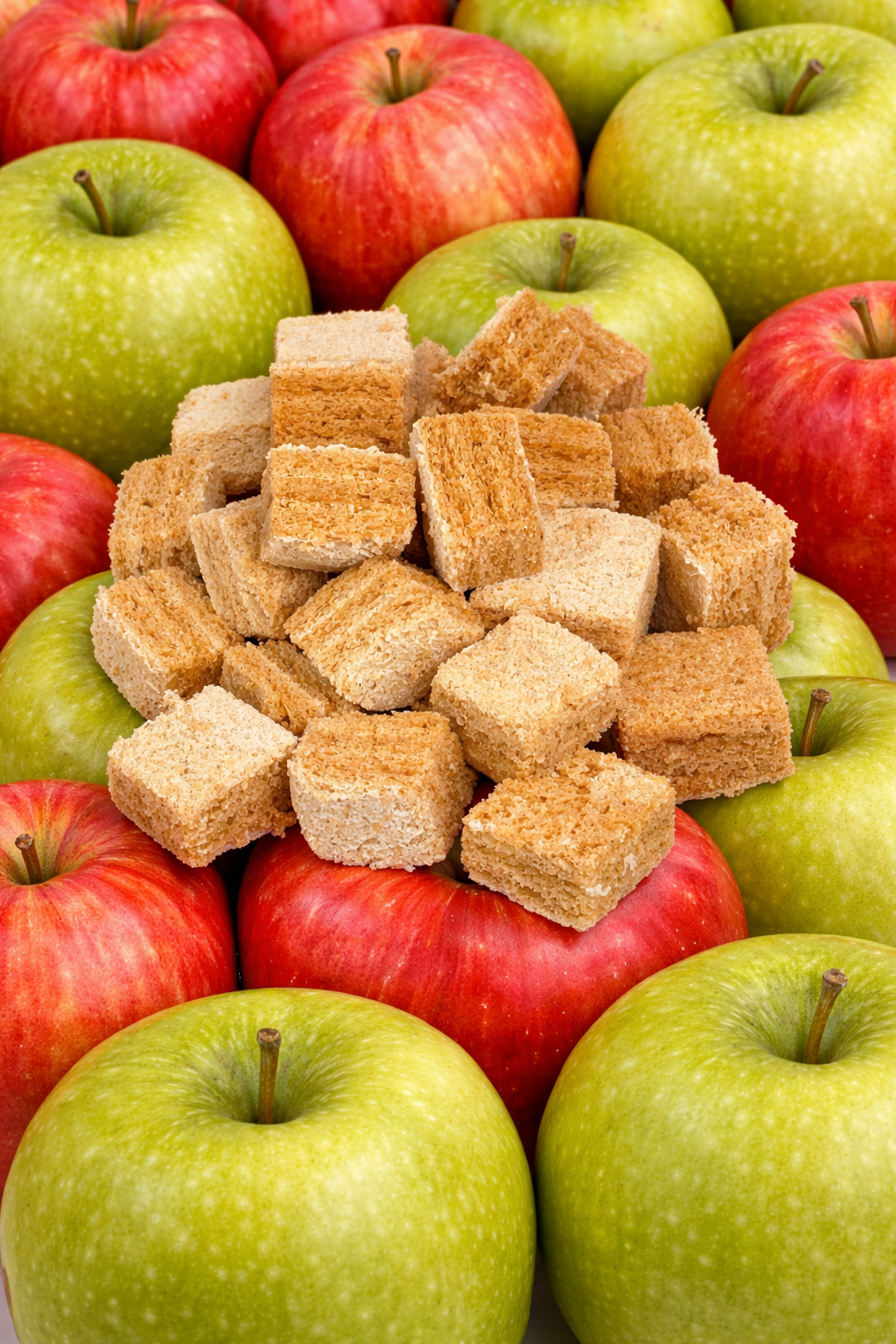
Our apple snacks use local ingredients and are 100% natural, made without gluten or added sugar.
More apple-based snack options
K'Apples selections: Selection 1, Selection 2, Selection 3, Selection 4, Selection 5, Selection 6, Selection 7, Selection 8, Selection 9, Selection 10, Selection 11, Selection 12, Selection 13, Selection 14, Selection 15, Selection 16, Selection 17, Selection 18, Selection 19, Selection 20, Selection 21, Selection 22, Selection 23, Selection 24, Selection 25, Selection 26, Selection 27, Selection 28, Selection 29, Selection 30.
Fruit mix options: Mix selection 1, Mix selection 2, Mix selection 3.
Assortment options: Assortment 1, Assortment 2, Assortment 3, Assortment 4, Assortment 5, Assortment 6.
Apple snack product reference · Apple snack image · Cooked apple snack reference · Apple snack option 1 · Apple snack option 2 · Apple snack option 3 · Apple snack option 4 · Apple snack selection.
Why snack frequency matters as much as the snack
Every time plaque bacteria encounter fermentable sugars, they can produce acids. Eating a sweet snack in one sitting limits repeated exposures compared with nibbling on it throughout the day.
Keep water nearby after eating. It helps rinse away loose food particles, while saliva continues its natural work of clearing residue and buffering acids.
When choosing between a gummy and fruit, consider both how often you eat it and how long it stays in your mouth. Calling sugars natural or added does not change the importance of repeated exposure to fermentable sugars.
Dry mouth deserves extra care because less saliva means less natural clearance and acid buffering. People with reduced saliva should be especially mindful of frequent sticky snacks and discuss persistent dryness with a dental professional.
Choose snacks that suit your teeth and chewing needs
For people who can comfortably chew them, crisp vegetables and whole fruit offer less sticky alternatives to chewy candy. Cut fruit into manageable pieces if biting into a whole apple feels uncomfortable.
With braces, avoid foods that are very sticky or hard because they can lodge around brackets or damage appliances. Smaller, softer fruit pieces can be easier to manage than biting directly into a whole apple.
If crunchy foods aggravate sensitive teeth or are difficult to chew, choose a softer snack rather than forcing raw fruit. A comfortable food choice, paired with regular oral care, is more practical than insisting on crunch.
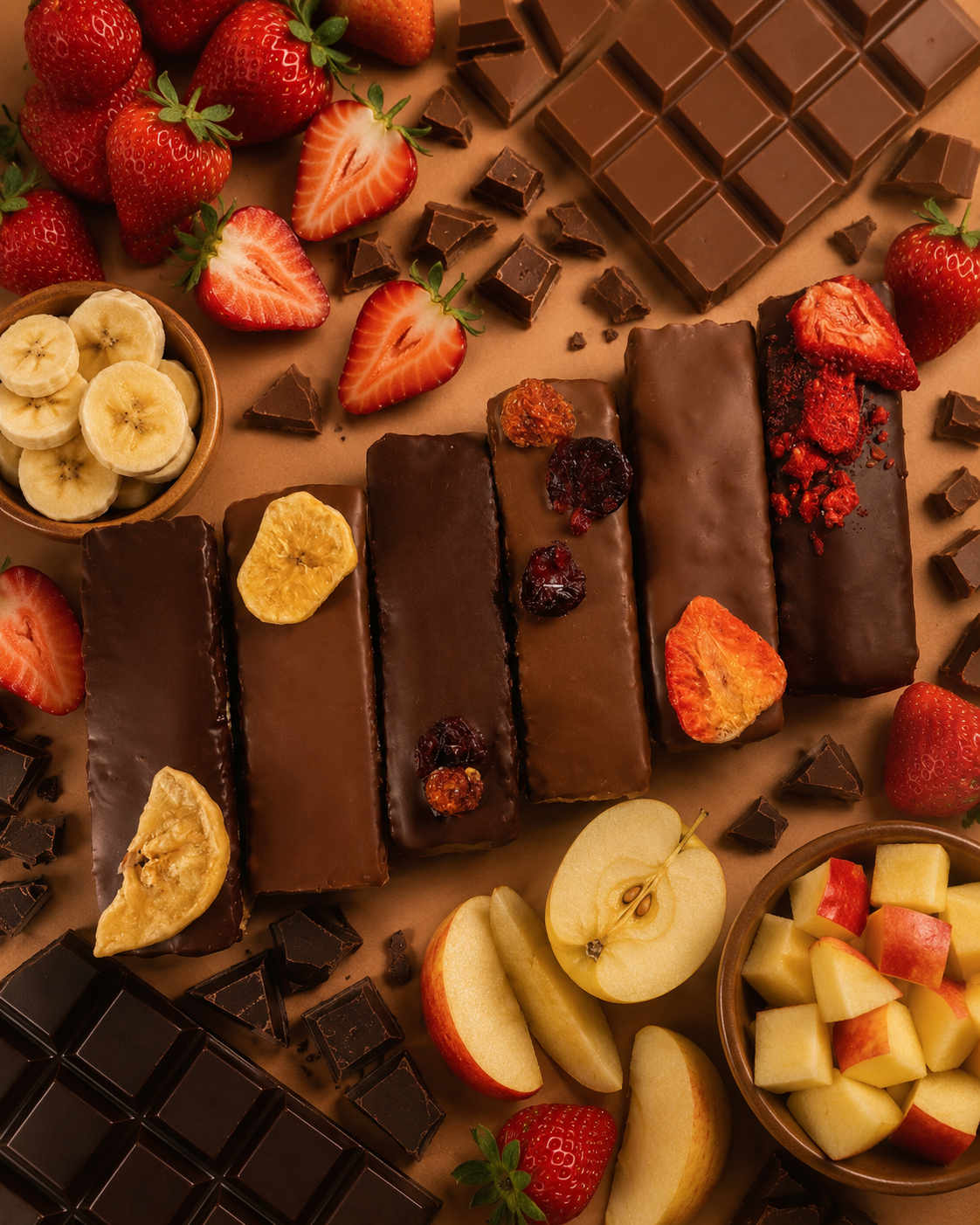
A fruit bar is convenient, but its texture and ingredients differ from a whole apple, so it does not deliver the same chewing experience. K'Sticks. Healthy apple bars are made with fruits, a touch of egg white and a thin layer of chocolate, with several fruit and chocolate taste options. They suit readers looking for a portable apple-based snack in bar form.
More apple-bar options
Bar option 1, Bar option 2, Bar option 3, Bar option 4, Bar option 5, Bar option 6, Bar option 7, Bar option 8, Bar option 9, Bar option 10, Bar option 11, Bar option 12, Bar option 13, Bar option 14, Bar option 15, Bar option 16, Bar option 17, Bar option 18, Bar option 19, Bar option 20, Bar option 21, Bar option 22, Bar option 23, Bar option 24.
Apple snack option 1 · Apple snack option 2 · Apple snack option 3 · Apple snack option 4 · Apple snack option 5 · Apple snack option 6.
Keep brushing and flossing at the centre of prevention
Brush twice a day with fluoride toothpaste and clean between your teeth every day. Plaque collects along the gumline and between teeth, where chewing an apple cannot reach it.
After an acidic snack such as an apple, rinse with water and wait about 30 minutes before brushing. Acids can temporarily soften enamel, and waiting gives it time to reharden before brushing.
Regular dental visits help keep prevention specific to your mouth and your needs. Ask for individualized guidance if you wear braces, have dry mouth or experience recurring sensitivity.
So, are apples a substitute for brushing and flossing? No. Food choices can support a tooth-conscious routine, but the idea that an apple keeps the dentist away is not literal: brushing, flossing and professional dental care remain central.
Frequently Asked Questions
Does apple cider vinegar offer the same tooth-related advantages as eating a whole apple?
No. Apple cider vinegar is a liquid acid and does not provide the intact fruit structure or chewing experience of a whole apple. Sipping or holding acidic drinks in the mouth can extend acid contact with teeth.
Are cooked apples as tooth-friendly as raw apples?
Cooked apples are softer and do not provide the same crisp chewing as raw fruit. Their tooth impact also depends on how they are prepared, since added sweeteners contribute fermentable sugar.
Can people with dentures comfortably eat whole apples?
Many people with dentures find thin slices or stewed apple easier to manage than biting into a whole fruit. If a denture shifts or causes sore spots while eating, a dentist can assess its fit.
What should someone with dry mouth consider before choosing crunchy fruit?
Dry mouth can make rough or firm foods less comfortable to chew and swallow. Choose a texture that feels manageable, and ask a dentist or clinician whether a saliva substitute or a review of medicines could help with persistent dryness.
Do apples need to be peeled for dental health?
Peeling an apple does not remove its natural sugars or acidity, and keeping the peel does not make it a tooth-cleaning food. Choose the preparation that is comfortable to eat and fits your dietary needs.
Conclusion
Why dental health professionals prefer apple fiber over gummy snacks is best understood as a comparison of snack texture and eating habits, not a claim that apples prevent cavities. A whole apple takes more chewing and brings water and fiber, while its natural sugars and acidity still deserve consideration.
Choose snacks that suit your teeth, limit repeated grazing, drink water and keep brushing with fluoride toothpaste and cleaning between teeth at the centre of prevention. An apple can be a tooth-friendlier choice than sticky candy, but it is never a substitute for oral care.
