
· www.kapples.chによる
K'Applesと従来のドライフルーツ:栄養面での比較
2026年、ドライフルーツスナック市場は成長を続けていますが、果物が手元に届くまでにどのような処理をされたかによって、栄養面の実態は大きく異なります。私たちは毎週のように、健康的なりんごスナックの比較を求める声を聞き、次のようなシンプルな質問を受けます。「これはまだ果物なのか、それとも果物の物語をまとった砂糖にすぎないのか?」
重要なポイント
| 比較する項目 | ドライフルーツで変わること |
|---|---|
| 食物繊維とペクチン | 凝縮によって1グラムあたりの食物繊維量は増える可能性がありますが、最終的な結果を左右するのは加工方法と1食分の量です。 |
| 血糖値への影響 | ドライりんごの血糖値への影響は一定ではありません。スナックになる前に、りんごにどのような処理を施すかによって変わります。 |
| 添加糖 | 従来のドライフルーツの多くは自然に見えても、脱水方法やその後の配合によって甘さが強められていることがあります。 |
| たんぱく質による緩衝 | K’Applesは、スイス産りんごと卵白という2つの原材料を中心に作られており、プレーンなドライフルーツと比べて満腹感の感じ方が変わります。 |
| クリーンラベル | クリーンラベルのスナックを重視するなら、まず原材料を確認し、その後で食物繊維と血糖負荷を比較することをおすすめします。 |
| おすすめの選び方 | K’Applesは、グルテン不使用、砂糖無添加、自然な製品、地元産のりんご、ヘルシーなスナックバー、子ども向けのおやつ、スポーツ向けのおやつを探している人に適しています。 |
- 手軽に種類を選びたいですか? まずは、K’Apples 全フレーバーのような厳選アソートから始めて、1食あたりの甘さと食物繊維への自分の許容度を確かめてみてください。
- 血糖値の観点を確認しましょう。 2026年、果物をたんぱく質と組み合わせることは、血糖負荷について考える方法の一つです。りんごスナックのグリセミック指数と栄養チャートで詳しく説明しています。
- 「本物のおやつ」版が必要ですか? 私たちは、「フルーツ風味」の代用品ではなく、母親向けのおやつや子ども向けのおやつのために、クリーンラベルのフルーツスナックという考え方を作りました。クリーンラベルのフルーツスナック完全ガイドをご覧ください。
2026年、「K'Applesと従来のドライフルーツ:栄養比較」が分かりにくく感じられる理由
人々が悩んでいるのは「乾燥」という言葉ではありません。乾燥させた後の栄養成分表示に悩んでいるのです。2026年の棚には、果物の形をしたスナックがあふれていますが、その多くは食物繊維の完全性ではなく、カロリーと甘さが凝縮されています。
これこそ、K'Applesで作るすべての製品の根底にある考え方です。果物を尊重し、食物繊維を残し、不要なものは一切加えない自然な製品。果樹園で育ったものが、そのままあなたのおやつになります。それだけです。
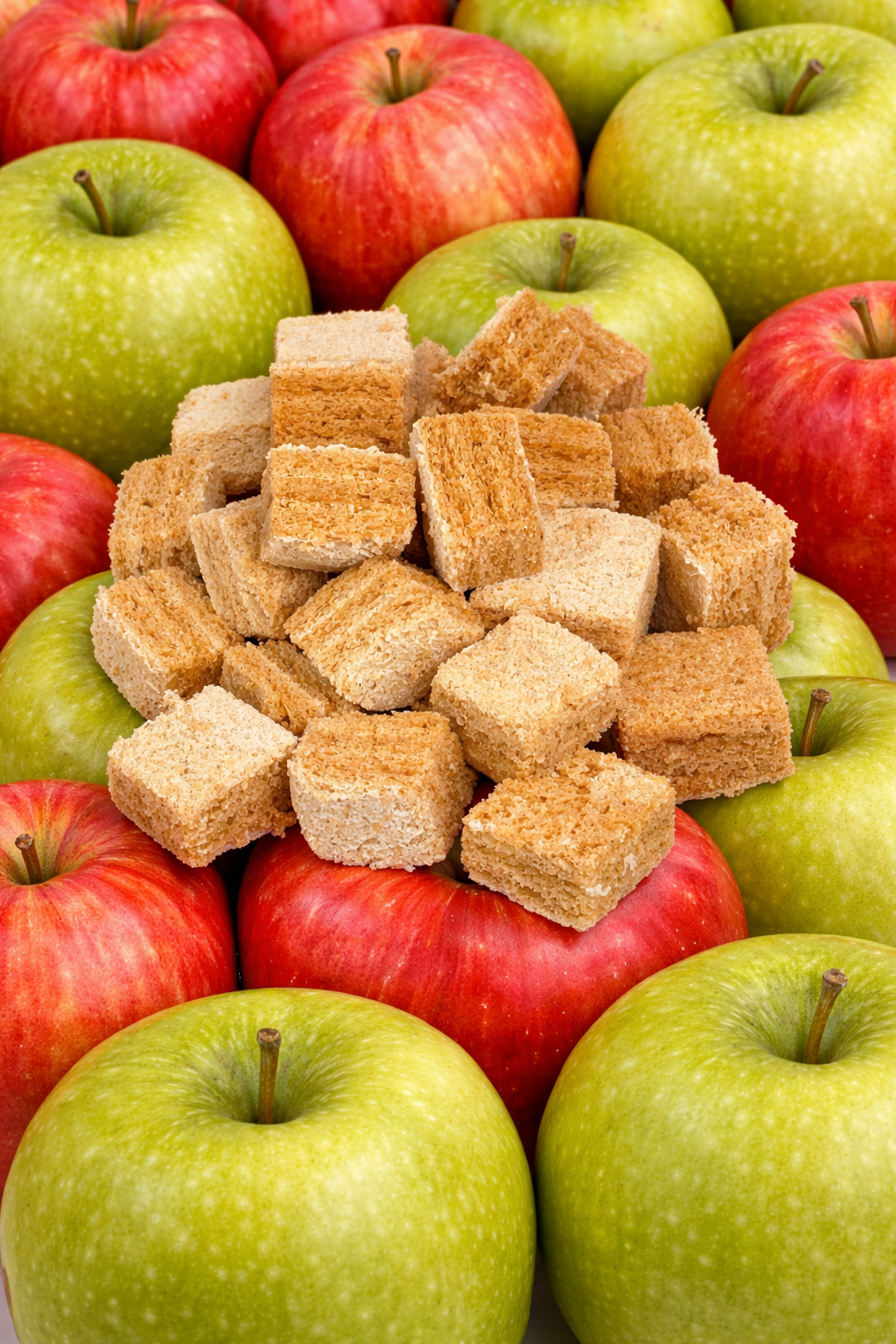
そのため、K'Apples vs Traditional Dried Fruit: A Nutritional Comparisonを求める際には、食物繊維の質(ペクチンの完全性)、血糖への影響(身体が糖分をどれほど速く「感じる」か)、そしてクリーンラベルの選択(近道なし、100%天然の製品に化学物質不使用)という3つを同時に比較することをおすすめします。
食物繊維とペクチン:「ドライフルーツ」が役立つ場合と、期待外れになる場合
ドライフルーツは「天然のヘルシースナック」として販売されることが多く、食物繊維については確かに一理あります。脱水すると、果物にもともと含まれていた成分が凝縮されます。その中には食物繊維やペクチンも含まれます。
しかし、見落とされがちな点があります。K’Applesは単なるドライアップルではありません。りんご本来の構造を壊さずに大切に扱い、食物繊維の完全性を重視しています。だからこそ、私たちのクリーンラベルというメッセージは決して一般論ではありません。製造方法を単なる製造上の好みではなく、食物繊維の完全性に関わる倫理的な選択として扱うという決意なのです。
実用的な例として、皮付きの中サイズのりんご1個には食物繊維が4.4g含まれています。従来のドライアップルとK'Apples vs Traditional Dried Fruit: A Nutritional Comparisonを比較するなら、次の点を自問してください。「1食分あたり」で比較していますか、それとも「100gあたり」ですか?これがすべてです。
グリセミック負荷と血糖値:2026年のドライフルーツ神話
キャンディーより良さそうに聞こえるからという理由で、「ヘルシーな」フルーツバーを手に取ったことがあるなら、問題はすでにおわかりでしょう。多くの人は、ドライフルーツは誰にとっても同じように作用し、甘さも血糖への影響も同じだと思いがちです。しかし、実際はそうではありません。
ドライアップルの血糖への影響は一定ではありません。りんごが手元に届くまでにどのような処理を施すかによって異なります。加工方法や配合の変化によって、炭水化物がどれほど速く利用可能になるか、またスナックが身体の反応にどのように作用するかが変わることがあります。
だからこそ、私たちは測定可能な栄養価を軸に話をしています。天然りんごスナックのグリセミック指数と栄養成分表を公開しているので、十分な情報をもとに判断できます:天然りんごスナックのグリセミック指数と栄養成分表。2026年、人々が求めているのは、雰囲気だけではなく明確さです。
そうです。私たちの製品はグルテン不使用で、砂糖を添加していません。地元の原材料を使うよう努め、100%天然の製品に化学物質は一切使用していません。このクリーンラベルという位置付けは、K’Applesと従来のドライフルーツを比較する際に重要です。なぜなら、「砂糖無添加」は「血糖への影響が少ない」と同じ意味ではありませんが、多くの場合、その基盤となるものだからです。
たんぱく質の組み合わせ:K'Applesと従来のドライフルーツの本当の違い
従来のドライフルーツはほとんどがフルーツです。K’Applesはフルーツにたんぱく質の支えを加えたものです。これが、栄養比較の根底にある構造上の違いです。
私たちの世界では、2つの原料が大きな役割を果たします。スイス産りんごと卵白(アルブミン)です。フルーツベースのスナックにアルブミンを加えると、単に三大栄養素が変わるだけではありません。満腹感のシグナルや、そのスナックが一日の中でどのように体に収まるかまで変わります。
これが、2026年に私たちが「Fibermaxxing(食物繊維の最大化)」を、誰もが語る腸活スナックの一大ブームとして取り上げる理由でもあります。食物繊維を取り除き、砂糖を加え、濃縮果汁を使い、出どころの分からない果樹園から輸入する。それは私たちの取り組みとは正反対です。
したがって、K'Applesと従来のドライフルーツ:栄養比較では、甘さとカロリーだけを比較することはできません。たんぱく質についても比較し、食物繊維についても比較する必要があります。たんぱく質による支えがあるからこそ、クリーンラベルと安定したエネルギーを重視する人にとって、K’Applesは子どもにも、母親にも、スポーツ時にも適したスナックになります。
クリーンラベル、地元産原料、そしてヨーロッパで認められた信頼(2026年)
「ヘルシースナック」の売り場で何が起きているか、私たちは知っています。表面には「フルーツ」と表示されているのに、原材料を確認すると、裏面はまるで化学の授業のような内容です。私たちはそのようなことはしません。
だからこそ、私たちのクリーンラベルへの取り組みは、透明性と最小限の加工を重視しています。りんご本来の構造を尊重し、壊すことはありません。このこだわりは包装室ではなく、農場の段階から始まります。近道も、濃縮果汁も、「天然香料」に頼る抜け道もありません。
そして、2026年には主張だけでなく証拠を求める人が多いからこそ、私たちはスイスで2023年と2024年にイノベーション賞を受賞しました。さらに、ヨーロッパで2026年のイノベーション賞も受賞しました。また、ヨーロッパで2026年に、りんごとシナモンのK'Applesで金賞、ラズベリー味とストロベリー味で銀賞を受賞しました。
この比較を現実に即したものにするには、クリーンラベルのフルーツスナックガイドとスナックの栄養チャートをご利用ください。まずはクリーンラベルのフルーツスナックに関する決定版ガイドから始め、一般的な製造で従来のドライフルーツに使われているものと比較してみましょう。
ヘルシーなりんごスナック比較:「ドライ」形式の選び方
2026年に最適な「ヘルシーなりんごスナック比較」は、最も親しみのある形状を選ぶことではありません。最も誠実な栄養プロセスを選ぶことです。
次のように考えるとシンプルです。
- 従来のドライフルーツ:濃縮された果物ですが、栄養価や血糖値への影響は、脱水方法、粒子の大きさ、後から加えられたもの(天然と表示されている場合でも)によって異なることがあります。
- K’Apples:スイス産りんごと卵白を使用し、食物繊維の保持とたんぱく質による緩衝効果を実現。グルテン不使用、砂糖無添加の天然製品です。
私たちは、実生活でこのような比較ができるツールも用意しました。推測せずに生の果物からドライフルーツへの濃縮度を計算したい場合は、生の果物からドライフルーツへの重量・栄養変換ツールをご利用ください。ここで、割合についての議論が感情論ではなく、事実に基づくものになります。
家族のために選ぶなら、判断はさらに明確になります。シンプルに言えば、K’Applesは3歳から103歳までの女性にも男性にも、ぜひ試していただきたい製品です。
K'Applesが最適な場面:子ども向けスナック、母親向けスナック、スポーツ向けスナック
人々は味だけを理由にスナックを買うわけではありません。学校の休み時間、仕事の午後、トレーニングの日など、さまざまな場面のために購入します。だからこそ、私たちはグルテン不使用、砂糖無添加、地元産のりんごを使った、化学物質不使用の100%天然製品として、K’Applesをさまざまな形状で作っています。
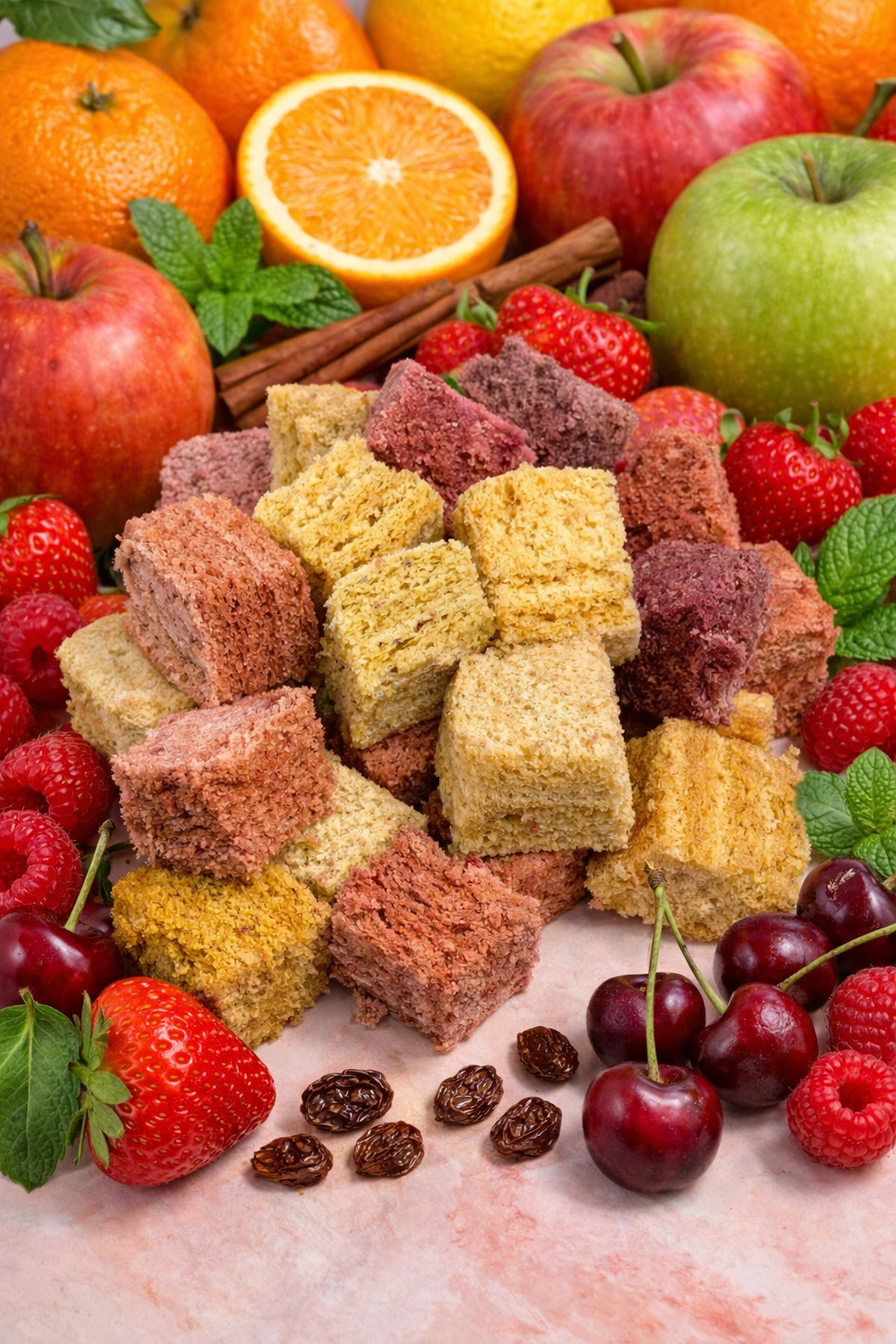
たとえば、クリーンラベルの子ども向けスナックを探しているなら、シンプルな原材料、安定した食物繊維、砂糖不使用がポイントです。母親向けスナックを探しているなら、満腹感が重要で、たんぱく質との組み合わせが役立ちます。スポーツ向けスナックを探しているなら、安定したエネルギーと血糖値が急上昇しにくい特性が目標になります。
2026年には、品揃えを見ながら、K’Apples全フレーバー(ラベンダー&ブルーベリー、ミックスセレクション)、K’Apples全フレーバー(アプリコット限定セット)、K’Applesフルーツミックスなどから、その日の予定に合う形状を選べます。
結論:2026年におけるK'Applesと従来のドライフルーツ:栄養比較への答え
2026年に、測定しやすく明確なK'Applesと従来のドライフルーツ:栄養比較を行いたいなら、食物繊維の保持、血糖値への影響、そしてたんぱく質による緩衝効果に注目しましょう。従来のドライフルーツも選択肢になり得ますが、甘さとカロリーだけを比較すると、「ヘルシー」という期待の多くは満たされません。
私たちの答えはシンプルで一貫しています。100%ナチュラルで、グルテン不使用、無添加糖を守っています。地元の原材料を使い、化学物質は使用しないよう努めています。そして、栄養について語るなら信頼についても語らなければならないからこそ、スイスとヨーロッパで受賞した実績を示しています。これには、2026年のイノベーション賞や、金賞・銀賞の味覚賞が含まれます。
違いを試してみたい方は、まずアソートメントから、無理なく続けられるフレーバーを見つけてください:K’Apples 全フレーバー。
よくあるご質問
2026年、従来のドライフルーツと比べてK'Applesを選ぶ価値はありますか?
はい。2026年のK'Applesと従来のドライフルーツ:栄養面の比較では、食物繊維の完全性と、スナックが満腹感にどう影響するかがポイントになります。K’Applesは、グルテン不使用、無添加糖、ナチュラルな製品、地元産リンゴを使ったヘルシーなスナックバーというコンセプトで、卵白由来のたんぱく質と組み合わせています。
自然に見える従来のドライフルーツでも、添加糖や果汁が含まれていることはありますか?
従来のドライフルーツには、添加糖や果汁を使わずに作られたものもありますが、「自然に見える」ことと「自分の栄養目標に合っている」ことは同じではありません。K'Applesと従来のドライフルーツ:栄養面の比較では、何が添加されているか、また加工によって1食分あたりの血糖への影響や食物繊維がどのように変化するかを確認することを常におすすめしています。
2026年、ドライアップルとK'Applesでは、血糖負荷はどのように異なりますか?
ドライアップルの血糖への影響は一定ではなく、リンゴをスナックにする前にどのような処理を施すかによって異なります。K'Applesと従来のドライフルーツ:栄養面の比較では、たんぱく質との組み合わせも考慮しています。これにより、1日の中でそのスナックがどのように感じられるかが変わります。
子どもや学校の休み時間に適した、健康的なリンゴスナックの比較では何が最適ですか?
子ども向けのK'Applesと従来のドライフルーツ:栄養面の比較では、グルテン不使用、無添加糖、ナチュラルな製品と、クリーンラベルの原材料リストを重視しています。そして、単なる「フルーツ風味の甘さ」ではなく、量の管理と満腹感につながる形状を選びます。
従来のドライフルーツと比べた場合、クリーンラベルにはどのような利点がありますか?
はい。2026年におけるクリーンラベルのスナックとは、透明性と最小限の加工、そして安易な近道を避けることです。だからこそ、私たちは地元の原材料を使い、化学物質を使用せず、リンゴの細胞構造と食物繊維の完全性を尊重する製法を採用しています。
従来のドライフルーツと比べて、K'Applesはスポーツ向けのスナックになりますか?
特に、急激な血糖値の上昇が起こりにくく、食物繊維とたんぱく質による支えがあるスナックを求める場合に適しています。K'Applesと従来のドライフルーツ:栄養面の比較では、アスリートはトレーニング中から回復期まで、添加糖なしでスナックがエネルギーをどのように支えるかを重視することがよくあります。
