
· By www.kapples.ch
CDC diabetes fruit carbohydrate snacks apples diabetes: Apple Portions and Snack Ideas
For CDC diabetes fruit carbohydrate snacks apples diabetes, the practical starting point is to count the carbohydrates in the fruit portion you actually eat. Apples can fit into many diabetes meal plans, and portion size and food pairings help make an apple snack work for your needs.
Key Takeaways
- Natural fruit sugars count toward total carbohydrate; apples contain carbohydrate and fiber.
- Whole apples retain more structure and fiber than juice, but the fiber does not remove the apple’s carbohydrates.
- Use the amount you eat in your carbohydrate counting, and count all the foods in a snack.
- For help with the basics, read our diabetes carbohydrate-counting guide.
- Compare packaged fruit by serving size, total carbohydrate, fiber, and added sugars, not by its name alone.
- Choose portions and snack timing that fit your diabetes meal plan and care-team guidance.
How apple carbohydrates affect blood glucose
An apple’s sugar is natural, but it still contributes carbohydrate and can affect blood glucose. Fruit can be part of a diabetes meal plan, but it is not carbohydrate-free simply because it comes from whole fruit.
A medium apple provides carbohydrate and fiber. Smaller and larger apples contain different amounts, so the size of the portion matters when you count carbohydrates.
The fiber and intact structure in a whole apple slow digestion compared with juice. They do not cancel the carbohydrate, so count the apple portion using the approach in your meal plan.
WebMD reports that apples have a glycemic index (GI) of 39. A low GI can add context when comparing foods, but it does not make portion size irrelevant or replace carbohydrate counting.
GI describes how quickly a carbohydrate-containing food can raise blood glucose relative to a reference. Glycemic load also considers the amount of carbohydrate in the portion, which is why the amount eaten remains central when planning an apple snack.
Estimate portions by carbohydrate amount
Count the carbohydrate in the portion you will eat, rather than treating every apple as the same serving. A small apple, a medium apple, a large apple, or part of an apple will contribute different amounts.
A common carbohydrate-counting reference is 15 g per carbohydrate serving. Compare the carbohydrate in your apple portion with the target in your personal meal plan.
Use a nutrition reference that matches the food and portion, or weigh the edible portion when a more precise estimate will help. When you cut an apple, count the amount of slices you actually eat, not the size of the original fruit.
Count total carbohydrate unless your diabetes care team has recommended a different method. Some people use a method that accounts for fiber separately, but you should follow the approach set for your own plan rather than automatically subtracting fiber.
Include every part of the snack in your total. If you add yogurt, a spread, crackers, or another food, include its carbohydrates along with those from the apple.
Compare whole apples with juice, dried fruit, and applesauce
Whole apples keep their shape and fiber, which takes longer to eat than drinking juice. Juice has less fiber and is easy to consume quickly, so a glass is not interchangeable with a whole apple just because both come from apples.
For context, WebMD reports that 8 ounces of apple juice has 29 grams of carbohydrates. Smoothies also vary by ingredients and serving size, so count the full recipe or labeled serving.
| Fruit form | What changes | What to count |
|---|---|---|
| Whole apple | Retains its structure and fiber. | The carbohydrate in the portion eaten. |
| Juice | Has less fiber and is quick to drink. | The volume poured and its carbohydrate amount. |
| Dried fruit | Water is removed, concentrating fruit in a smaller volume. | The actual weighed or measured handful, which can be easy to underestimate. |
| Applesauce | Texture, serving size, and added ingredients vary. | The labeled serving and whether the version is sweetened. |
| Canned fruit | The fruit may be packed in liquid or syrup. | The fruit portion and any carbohydrate in the packing liquid. |
Dried fruit can fit a meal plan, but a small handful can contain a substantial portion of carbohydrate because the water has been removed. Measure the amount instead of estimating by the size of the handful.
For applesauce, compare the serving size and ingredient list on the package. Unsweetened and sweetened versions can have different carbohydrate amounts, and syrup in canned fruit adds sugars and carbohydrates to the calculation.
Our diabetic snack carbohydrate chart offers another way to think through snack portions and label details.
Build a more satisfying apple snack
Apple slices with a modest amount of nut or seed butter combine fruit with fat and make an easy snack to portion. Count the apple and spread separately, since both contribute to the snack’s nutrition totals.
For a protein pairing, serve apple with plain Greek yogurt or cottage cheese. Choose an unsweetened option when you want to avoid extra added sugar, and include the dairy’s carbohydrates in the snack total.
For a dairy-free option, pair apple slices with a small handful of nuts or roasted soybeans. Protein and fat can complement the fruit, but neither replaces counting the apple’s carbohydrates.
Our diabetic-friendly fruit snack guide discusses ways to consider portions and pairings. A measured serving matters with fruit mixes too.
For a mix of fruit-snack flavours and portion sizes, K'Apples mix is priced at $7. Listed size options include 50 g, 100 g, 200 g, and 350 g, with Forest berries, Oriental fusion, and general mix variants; its different sizes make it possible to select a package that suits your planned snack.
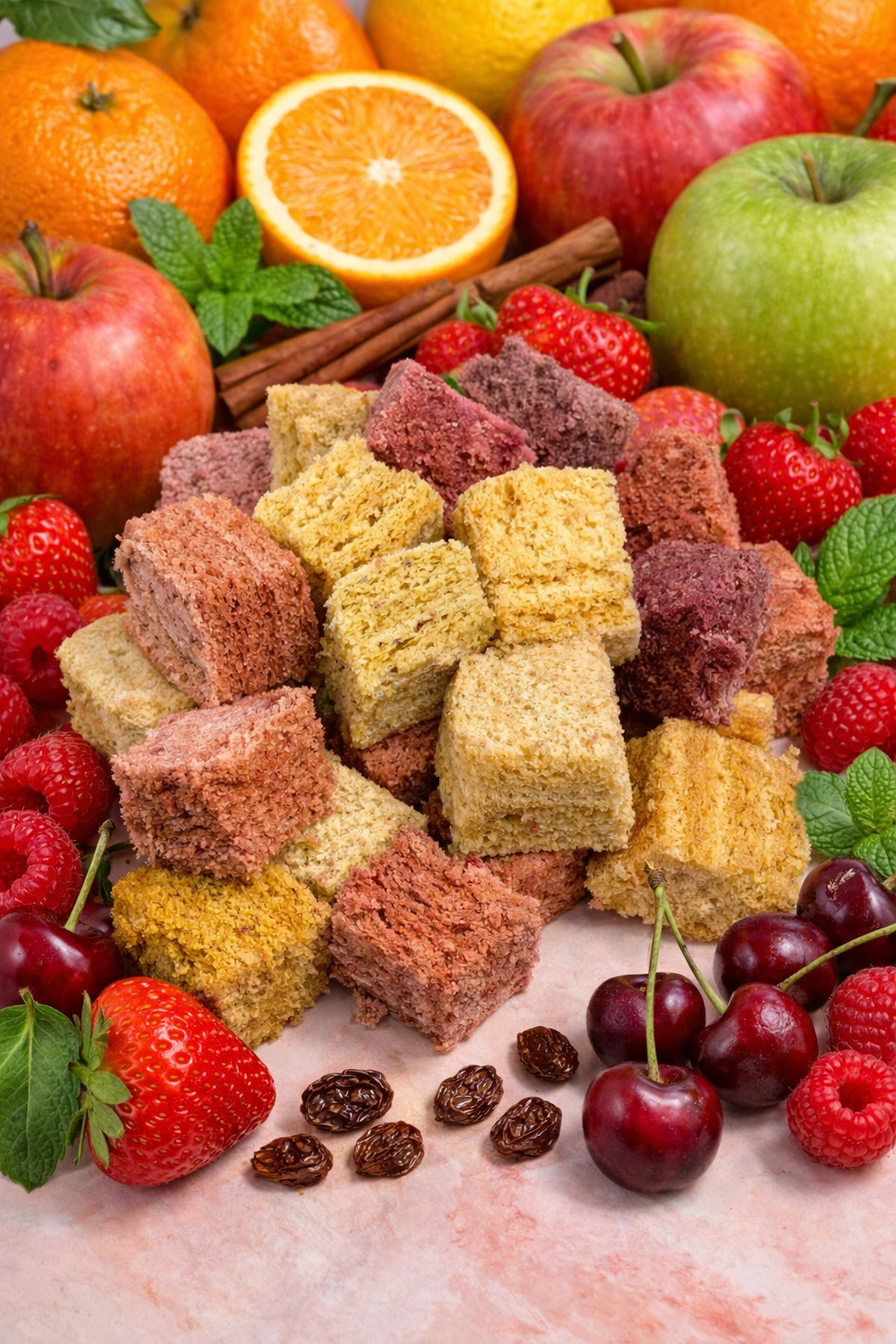
Our products are 100% natural, without gluten or added sugar, and made without chemicals; we try to use local ingredients. Those qualities describe the ingredients and approach, but they do not make a fruit snack carbohydrate-free, so use a measured amount that matches your plan.
Compare packaged fruit snacks by their serving
Start with the serving size, then compare total carbohydrate, fiber, and added sugars. A fruit snack with no added sugar can still contain carbohydrates naturally present in fruit.
Use the amount you actually eat in your calculation. If a package contains more than one serving, eating the whole package means counting the carbohydrates from all of it, not just the amount listed for one serving.
K'Apples. All the flavours is a range of apple-purée snacks offered in 65 g and 100 g sizes, with one-time purchase or subscription options. The $10 range makes portion information important: package size alone does not tell you the carbohydrate amount in the serving you eat.
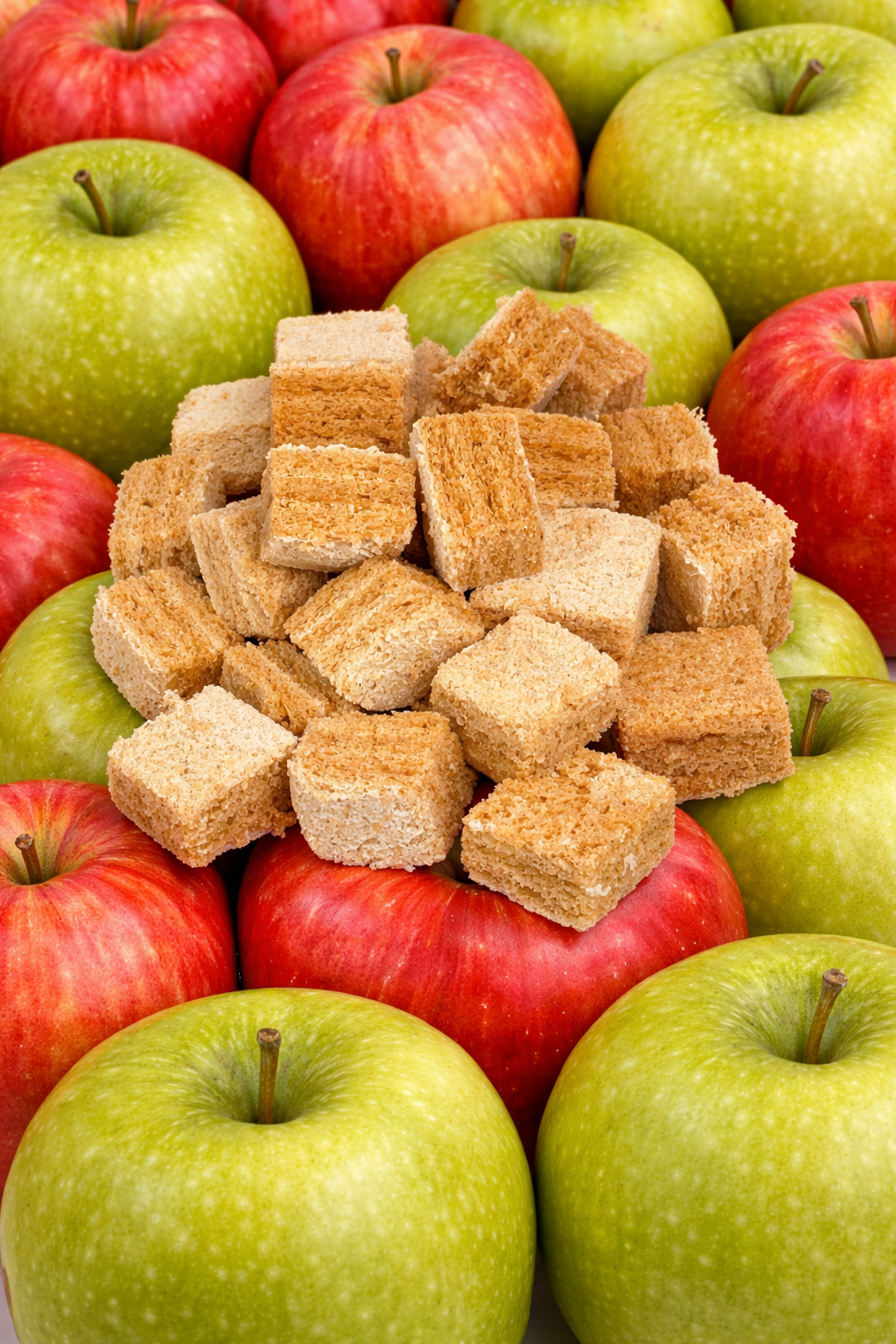

Choose a packaged fruit snack as one part of the planned snack, and add a protein food if that suits your preferences and meal plan. For example, a measured portion alongside plain yogurt or a small serving of nuts adds another food while keeping the fruit’s carbohydrates in view.
Fit fruit snacks to your plan, and treat lows differently
Fruit portions and snack timing should fit your diabetes meal plan, medication, activity, and glucose patterns. If those patterns or your treatment change, ask your diabetes care team to help adjust your plan.
People who use insulin or medicines that can cause hypoglycemia should follow their care team’s guidance for matching carbohydrates to medication and activity. A general snack suggestion cannot replace that individualized guidance.
A low-glucose episode is different from routine snacking. Follow your prescribed hypoglycemia treatment plan, which may call for fast-acting carbohydrate rather than a high-fiber whole apple.
Do not avoid all fruit because it contains sugar. Choose a portion that suits your plan and count its carbohydrates as part of the foods you eat.
K'Apples with apple and cinnamon received Gold at the European Innovation Awards, as described in our apple-fiber article.
For a quick visual reference to the K'Extra apple snack, see our K'Extra image.
Frequently Asked Questions
Do green apples have fewer carbohydrates than red apples?
Color alone is not a dependable way to estimate carbohydrate. Compare portions of similar edible weight and count the amount you eat rather than using peel color as a shortcut.
Does cooking an apple change how its carbohydrates are counted?
Cooking softens the apple, but it does not remove its carbohydrate. Count the amount of apple used and include any sweetener, topping, or other ingredient added during cooking.
Does adding cinnamon to an apple prevent a blood glucose rise?
No. Cinnamon can add flavor, but it does not cancel the apple’s carbohydrates or guarantee that blood glucose will not rise.
Should I eat an apple with the peel on?
The peel contributes to the apple’s fiber and texture, so leaving it on preserves more of the whole fruit. Rinse the apple under running water before cutting or eating it.
What does glycemic load tell me about an apple serving?
Glycemic load combines a food’s glycemic index with the carbohydrate amount in the portion. It helps put portion size into the GI picture, while the carbohydrate amount remains the figure used in a meal plan that counts carbohydrates.
How can I estimate an apple portion more consistently when I am at home?
Weigh an edible portion a few times and compare it with your usual serving, so you can better recognize that amount when slicing an apple later. A kitchen scale is especially helpful when one large fruit will be shared or divided into several snacks.
See also: K'Apples. All the flavours.
Conclusion
The practical answer to CDC diabetes fruit carbohydrate snacks apples diabetes is to enjoy fruit in portions that fit your plan and count the carbohydrates in the amount you eat. Whole apples offer fiber and structure, while juice, dried fruit, applesauce, and packaged snacks call for attention to serving size and ingredients.
Pair apple with a food you enjoy when it suits your preferences, and use your diabetes care team’s guidance for medication, snack timing, and low-glucose treatment. Natural sugar still counts, but that is a reason to plan fruit thoughtfully, not to avoid it altogether.
