
· By www.kapples.ch
Convenience as a deciding factor in everyday food choices: How to weigh it
Convenience as a deciding factor in everyday food choices is about more than how quickly a meal cooks. The best fit balances time, taste, nutrition, cost, access and the work involved from shopping through cleanup.
Key Takeaways
| Question | Practical answer |
|---|---|
| What makes food convenient? | Consider how easy it is to find, buy, store, prepare, eat and clean up, not just its cooking time. |
| What are the four main types of convenience foods? | Ready-to-eat foods, ready-to-heat foods, partly prepared ingredients and meal kits call for different amounts of work. |
| How do time and cooking skills shape food choices? | Match the steps, timing and equipment a meal needs to what your day and kitchen can support. |
| Does convenience tell you whether food is nutritious? | No. Judge the ingredients, portions and role of a food in the overall meal instead of relying on a convenience label. |
| Where can I find ideas for portable snacks? | Our guide to portable fruit snacks and tips for busy workdays cover grab-and-go formats and when they can help. |
What convenience means in everyday food choices
Convenience describes how easily food fits into a real routine. A quick-cooking meal can still take effort if its ingredients are difficult to find, require special storage or leave a pile of dishes.
Assess the whole sequence: finding, buying, storing, preparing, eating and cleaning up. A meal that is simple to eat on the commute may be a better fit for one moment, while an easy-to-cook dish with familiar ingredients may suit dinner at home.
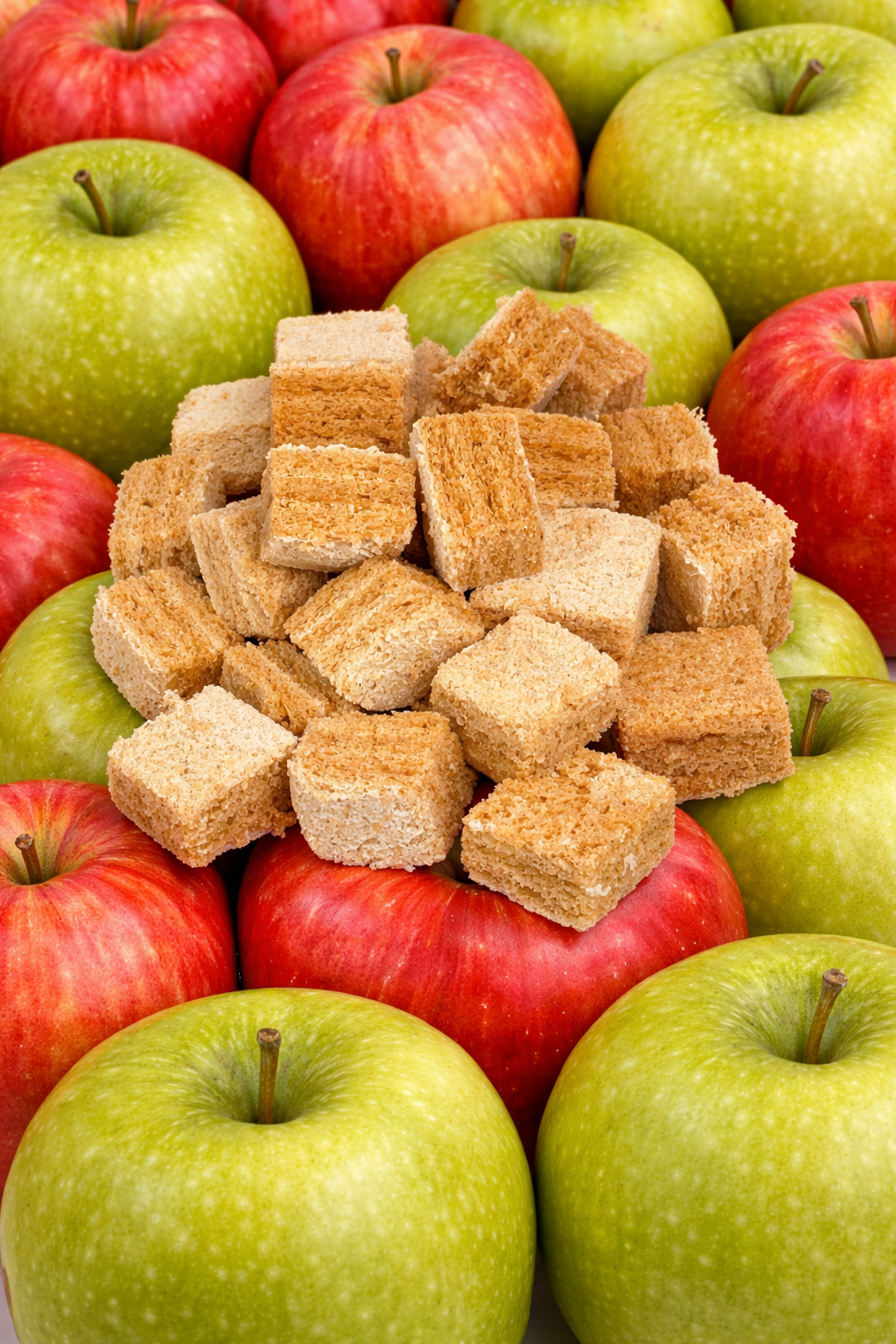
The four common convenience-food formats differ by how much work they leave to the eater:
- Ready-to-eat foods need no cooking or assembly.
- Ready-to-heat foods are cooked or assembled already and need warming.
- Partly prepared ingredients, sometimes called semi-convenience foods, have had steps such as washing, chopping or cooking done in advance.
- Meal kits provide ingredients, often portioned for a particular recipe, while leaving the cooking and assembly to you.
Convenience is a practical feature, not a measure of nutritional quality or personal effort. A ready-to-eat snack and a meal kit may both save time, but they serve different purposes and need different kinds of preparation.
How time, skills and daily demands influence choices
When time is tight or mealtimes can shift unexpectedly, choose options with fewer steps and flexible timing. When you have a reliable block of time to plan and cook, a more involved meal may fit comfortably into the day.
Match the preparation to your cooking skills and equipment. A recipe that depends on an unfamiliar technique, several burners or a tool you do not own adds friction, even if the cooking time looks short.

Work schedules, caregiving, different appetites and cultural or physical needs all affect what is workable. Relying on ready-made food is not a personal failing; it can be a sensible response to a household’s time, access or cooking circumstances.
The food environment matters too. Transport, nearby shops, opening hours, storage space and access to a kitchen shape which choices are available in practice, not just in theory.
Fast-food restaurants edged out sit-down dining for adults over a 12-month period.
Source: USDA Economic Research Service
When comparing options, include shopping and travel time as well as time in the kitchen. A nearby shop with suitable opening hours can make fresh ingredients practical, while a long commute or limited storage may favour portable, shelf-stable foods.
Convenience, hunger, taste and decision effort
When hunger is pressing, having a satisfying option that needs little or no preparation within reach shortens the gap between deciding to eat and getting food. That can matter during a delayed meal, a busy workday or the trip home.
Taste and texture matter just as much as access. A snack or meal is not a useful convenience choice if the people expected to eat it find it unappealing.
Repeated small decisions can also make food choices feel harder. A paper in Nutrients states that Wansink et al., 2007, suggest that individuals make an average of 221 food-related decisions each day.
A small rotation of familiar meals and snacks can reduce the number of choices you have to make from scratch. Keep a few combinations in mind, such as grain with beans and vegetables, or fruit with yoghurt, and change the flavours or toppings to suit the day.
Decision fatigue can be easier to manage when a household can see its options at a glance. A short list of reliable combinations and an accessible place for frequently used foods can help make a decision without requiring a new plan each time.
Judge the food, not the convenience label
Convenience describes effort, not a single level of processing or nutritional quality. Assess ingredients, preparation, portion size and the food’s place in the meal instead of assuming that all convenience foods are alike.
Compare realistic options for the same occasion. Consider how fruit, vegetables, whole grains and protein contribute to the meal, alongside the flavour and staying power that make it satisfying.
For a quick snack, a compact ready-to-eat choice may suit the moment; for a more substantial eating occasion, pair it with other foods that add variety and staying power. Our products are without gluten or added sugar.
For a fruit-based bar with little preparation, K'Sticks. Healthy apple bars are made with fruit, a touch of egg white and a thin layer of chocolate. They come in several fruit-and-chocolate taste options and amounts of 1, 2 or 3, making them a compact ready-to-eat snack choice at $4.
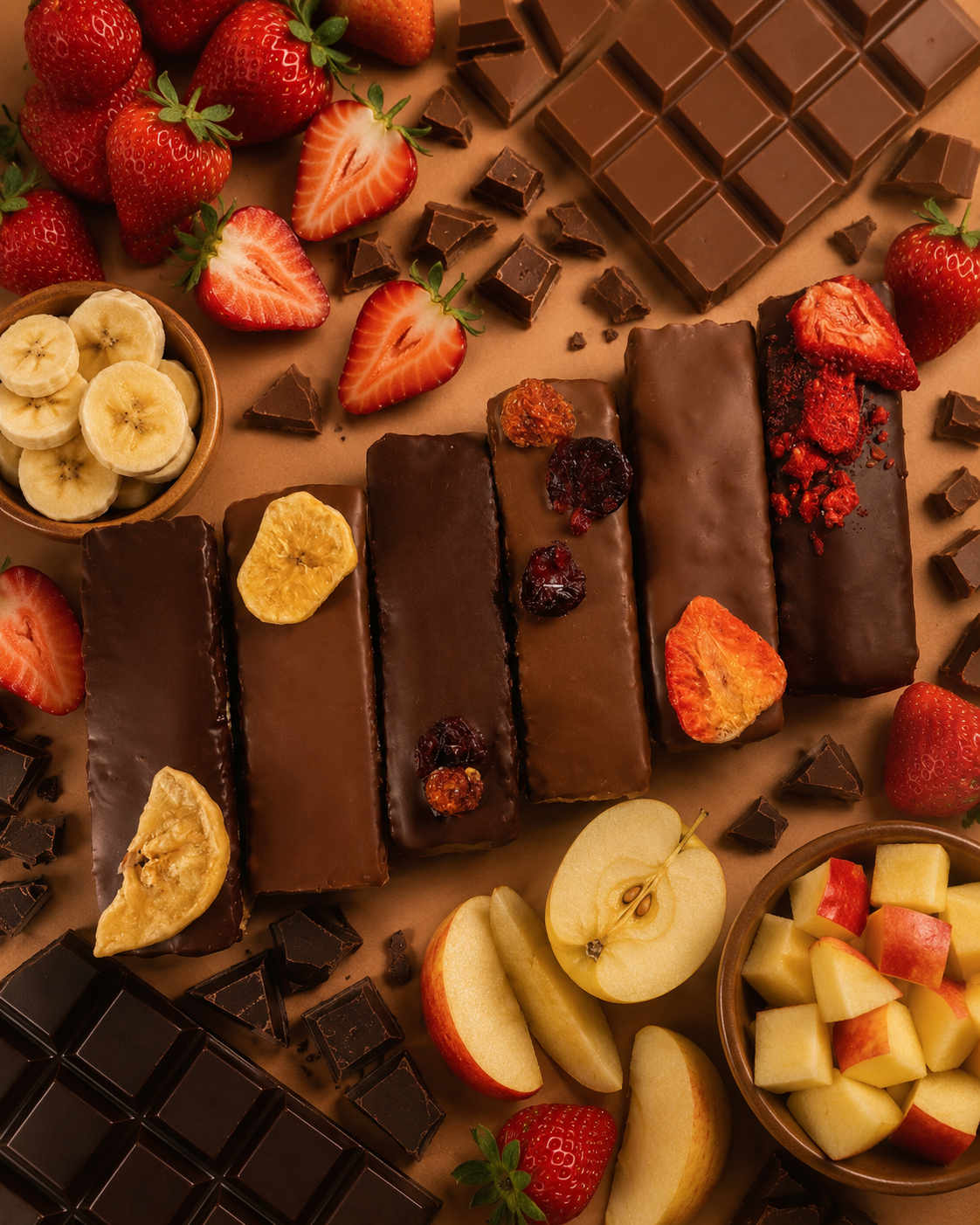
Choose a quick snack according to the appetite and the next meal, rather than expecting every snack to serve as a complete meal. For more on the bar’s format and how it fits an on-the-go routine, read our guide to K'Sticks apple bars.
Nutrition knowledge helps people compare foods, but it cannot create more time, improve transport or supply equipment a kitchen lacks. Practical improvements work best when they fit the routine someone actually has.
Compare cost, storage, preparation and food waste
Compare options for the same meal or snack, including the ingredients that may go unused and the preparation time saved. A low price per ingredient does not necessarily mean lower cost if a large portion spoils before anyone eats it.
Storage and transport affect convenience. Chilled items require dependable refrigeration, while compact shelf-stable choices can suit a commute or a day away from home.
Count equipment and cleanup as part of food preparation. A simple plate of assembled ingredients can be more convenient than a fast recipe that needs several pans, extra tools and a long wash-up.
Buy and prepare amounts that match likely household use, while leaving room for shifting appetites and schedules. For perishable ingredients, plan more than one possible use so the same purchase can work in several meals if plans change.
Make convenient choices easier to enjoy
Keep familiar, easy-to-eat foods accessible, then pair convenient components such as fruit, grains or protein with minimally prepared foods. Flexible combinations let people adjust a snack or meal without starting a new recipe each time.
A little flavour variety can make a routine more appealing and help a household accommodate different preferences. K'Apples mix brings together different flavours, with size and mix options listed on the page; at $7, it offers a ready-to-eat choice for a snack rotation.
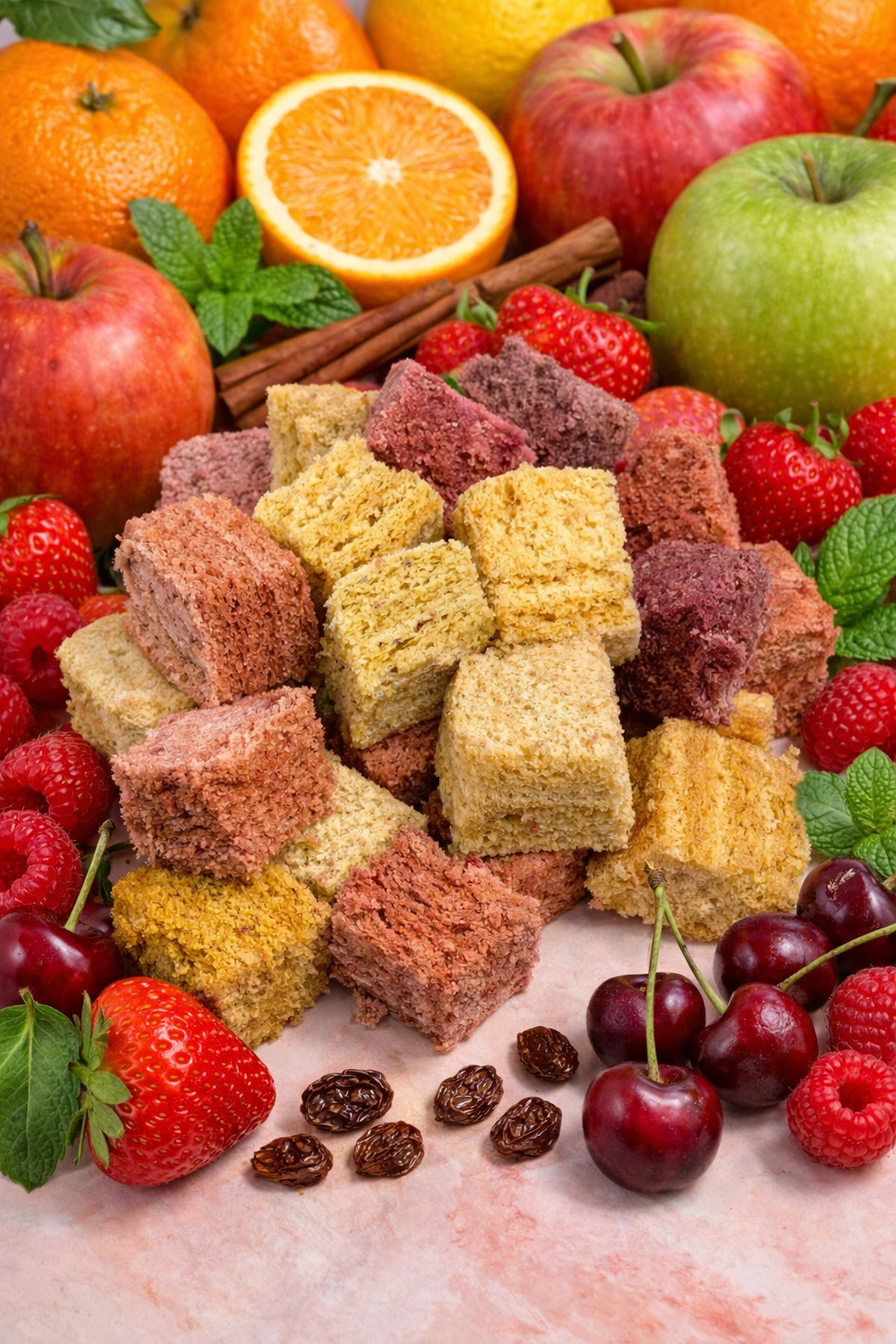
Make the easier choice appealing as well as accessible. Visible storage and a short list of favourite combinations can help, but flavour, texture and household preferences still affect whether anyone reaches for the food.
See also: K Extra New Photo.
Conclusion
Convenience as a deciding factor in everyday food choices works best when you assess the full routine, from finding and storing food to preparation and cleanup. Weigh time, taste, nutrition, cost, household needs and access together, then choose the option that is both practical and enjoyable for the people eating it.
Frequently Asked Questions
Are frozen vegetables a convenient option for everyday meals?
Yes. Frozen vegetables are typically washed and cut before freezing, so they can go straight into many soups, stews and stir-fries without trimming or thawing first.
How can someone make convenient food choices with limited kitchen equipment?
Build meals around foods that need little equipment, such as bread, tinned beans, fruit, yoghurt and ready-to-eat vegetables. A kettle can also prepare couscous, while a microwave can heat suitable leftovers in a microwave-safe dish.
What can households do when family members have different food preferences?
Serve a shared base, such as rice, potatoes or bread, with toppings and sauces on the side. Each person can assemble a version they enjoy without requiring a separate full meal.
How can people keep convenient meals affordable without buying more food than they use?
Plan around ingredients that appear in more than one meal, and portion foods that freeze well before storing them. A short shopping list tied to specific meals helps match purchases to likely use.
Can a convenient meal still be homemade?
Yes. Cook a larger batch of a versatile component, such as beans or grains, and freeze it in meal-sized portions for later use. A prepared base can shorten a future meal while leaving room to add fresh or preferred ingredients.
What are the 5 factors that influence our food choices?
Food choices are influenced by personal preferences, practical circumstances, social and cultural habits, the food environment and nutrition considerations. These factors interact: for example, taste and household needs matter alongside the time, skills and access available for preparing food.
