
· By www.kapples.ch
Familiar fall flavors return as seasonal comfort food: cozy ideas for the season
Familiar fall flavors return as seasonal comfort food when apples, squash, warm spices, and hearty vegetables find their way into everyday meals. We can bring back the cozy tastes of the season with flexible recipes, plant-forward dishes, and easy apple-and-cinnamon snacks.
Key Takeaways
- What are fall seasonal flavors? Apples, pumpkin, butternut squash, Brussels sprouts, cinnamon, sage, and thyme all bring harvest flavor to the table.
- How can we keep fall meals balanced? Pair sweet produce and warming spices with tart fruit, citrus, or vinegar, and use herbs to build savory depth.
- What makes an easy weeknight comfort meal? Choose ingredients and cuts that fit the time you have, such as cubed squash instead of a whole squash.
- Can fall comfort food be plant-based? Yes. Beans, lentils, mushrooms, and blended vegetables bring substance and creamy texture to familiar dishes.
- Where can we find more ideas for seasonal fruit combinations? Our guide to seasonal fruit mixes explores ways fruit flavors shift with the seasons.
- Which classics can we make throughout fall? Pumpkin soup, apple desserts, and roasted squash are dependable home-cooking favorites, while restaurant specials may change with the menu.
More than pumpkin spice: the flavors that make fall feel familiar
Fall flavors reach well beyond pumpkin spice. Apples bring tartness and sweetness, pumpkin and butternut squash add earthy richness, and Brussels sprouts develop a nutty edge when roasted. Together with other seasonal produce, these ingredients work in soups, main dishes, and desserts.
Cinnamon, nutmeg, and cloves warm sweet dishes, while sage and thyme give squash, beans, and roasted vegetables savory, herbal depth. Roasting squash and Brussels sprouts browns their surfaces and concentrates their natural sweetness, making them flavorful without relying on a heavy sauce.
Our seasonal cooking can take several directions: keep squash simple with sage and thyme, or add curry spices to a soup for a different aromatic profile. Pumpkin spice has its place, but it is only one part of the harvest palette.
Mosaic Flavors reports that 51% of shoppers say comfort flavors influence their purchase decisions. That helps explain why familiar fall flavors return as seasonal comfort food in both home kitchens and seasonal menus.
Soups, casseroles, and hearty plant-forward mains
For a filling squash soup, roast squash with onion, then simmer it with stock and white beans. Blend only part of the pot: the puréed portion makes the broth creamy, while the whole beans add texture and substance.
A squash, lentil, and greens casserole makes a satisfying main without depending on meat or a thick cheese layer. Finish it with crisp breadcrumbs or seeds so the soft vegetables and lentils have a crunchy contrast.
Apple can balance savory ingredients when we use it with restraint. Add a small amount to onions, cabbage, or lentils, then brighten the finished dish with vinegar or lemon so the fruit’s sweetness does not dominate.
For weeknight comfort-food recipes, match the cooking method to the evening. Small squash cubes cook more quickly than a whole squash, and prepared purée can make a smooth soup faster still; decide how much chopping and cooking time you can spare before choosing a recipe.
For a plant-forward chili, shepherd’s pie, or stuffed squash, lentils, beans, or mushrooms supply body and pair naturally with sage, thyme, and black pepper. These ingredients make the dish feel substantial while keeping the flavors rooted in the season.
Sweet comfort: apples, cinnamon, and autumn baking
Apples fit easily into crumbles, baked oats, and warm porridge. Tart apples help offset sweetness, and a little lemon juice keeps cut fruit bright while you prepare the rest of the dish.
Add cinnamon gradually and taste as you go, because too much can cover the apple’s own flavor. Oats and nuts add texture, while a pinch of salt deepens the overall taste without adding sweetness.
For a ready-to-eat apple-and-cinnamon snack, K'Apples. All the flavours offers an apple purée snack range with multiple flavors and 65 g and 100 g size options. It is available as a one-time purchase or subscription, and the listed price is $10, making it an easy way to bring a familiar fruit-and-spice taste to a busy day.
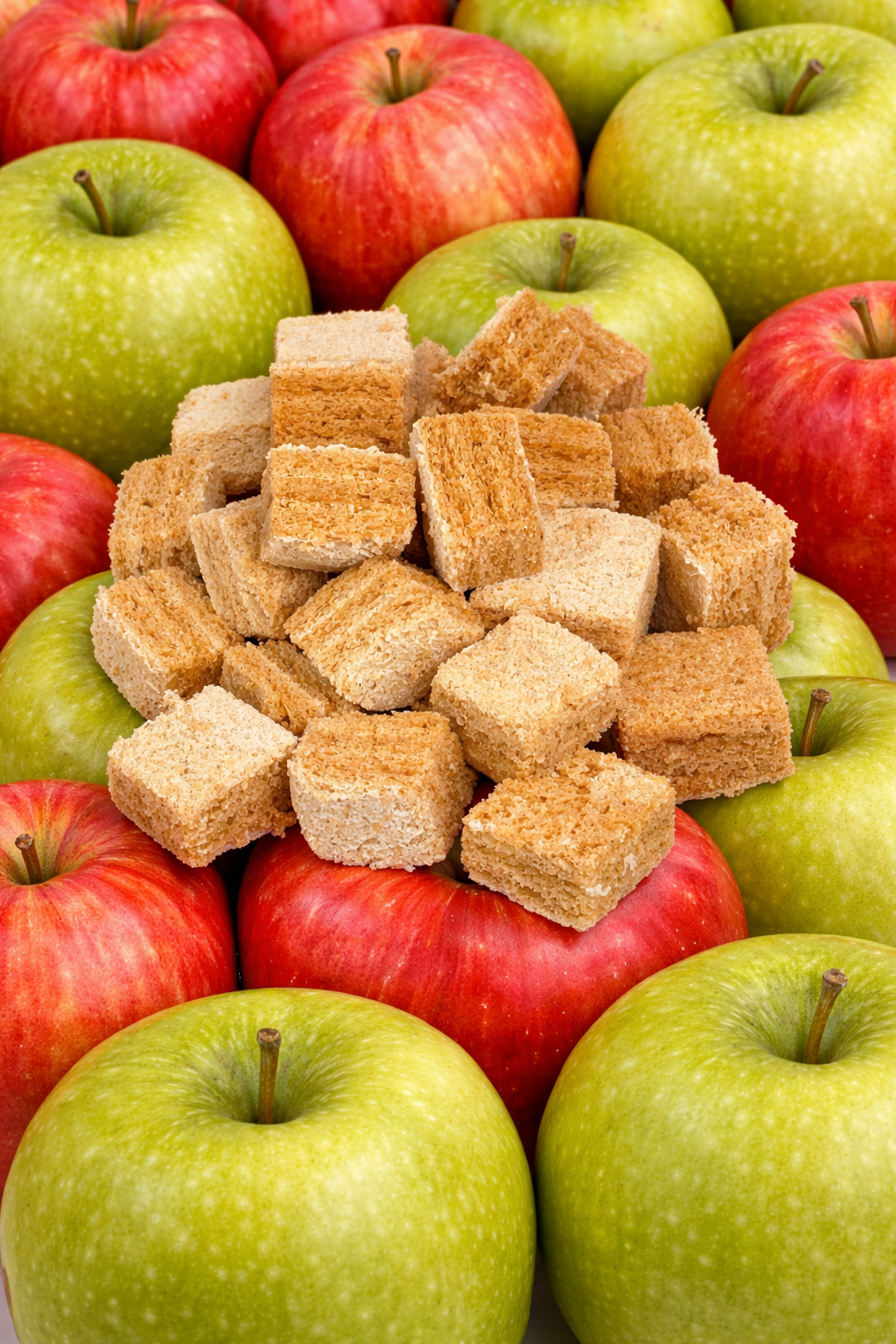
Our apple-and-cinnamon taste is a natural fit for fall snacking, with local ingredients used where possible. Our 100% natural product is made without chemicals, without gluten, and without added sugar; our apple-and-cinnamon flavor is a familiar option when you want fruit and warmth without making a dessert.
For a more filling bake, combine apples with oats or whole-grain flour and use a modest amount of fat and sweetener so the fruit remains the main flavor. Our apple-and-cinnamon bestseller offers another way to enjoy the familiar pairing as a snack.
Lighter and plant-based ways to enjoy comfort food
Comfort food does not have to be heavy or meat-centered. For a dairy-free creamy soup, blend cooked squash or beans into the broth, or stir in unsweetened oat or soy milk near the end of cooking; avoid boiling plant milk hard, which can affect its texture.
For gluten-free adaptations, thicken soups with blended vegetables or cornstarch. Use certified gluten-free oats or breadcrumbs when a recipe calls for them, and keep the dish’s familiar flavor and texture with herbs, toasted seeds, or roasted vegetables.
Build the meal around warmth, aroma, and contrast rather than weight. A bowl of soup can feel complete beside a crisp salad, and roasted vegetables can pair with whole grains for a hearty plate.
Balance warm spices, sweetness, and seasonal substitutions
If a recipe calls for pumpkin, cooked butternut squash or sweet potato purée works in a similar amount. Both provide sweetness and body, though their flavors are distinct from pumpkin.
When squash is unavailable, carrots or sweet potatoes work in soups and roasting recipes. Cut vegetables into even pieces, adjust cooking time to their size, and test tenderness before serving.
In savory dishes, begin with less cinnamon or nutmeg than you would use in a sweet recipe, then taste and adjust. Vinegar, citrus, or a tart apple can brighten rich, sweet notes and keep the finished dish balanced.
If someone dislikes a particular warm spice, choose a complementary herb instead of adding more spice. Sage suits squash and beans, while thyme works especially well with mushrooms and root vegetables.
Returning menu favorites, seasonal specials, and food for sharing
Pumpkin soup, apple desserts, and roasted squash are repeatable home-cooking classics. Restaurant seasonal specials are different: they are limited-time menu items that may change independently of the recipes we can make throughout fall, and availability can vary by location and date.
Compare returning favorites and newer seasonal ideas by flavor, meal type, and effort. A squash soup makes a simple starter, while stuffed squash or a layered casserole can serve as a more substantial centerpiece; when choosing a restaurant special, check the current menu for the location you plan to visit.
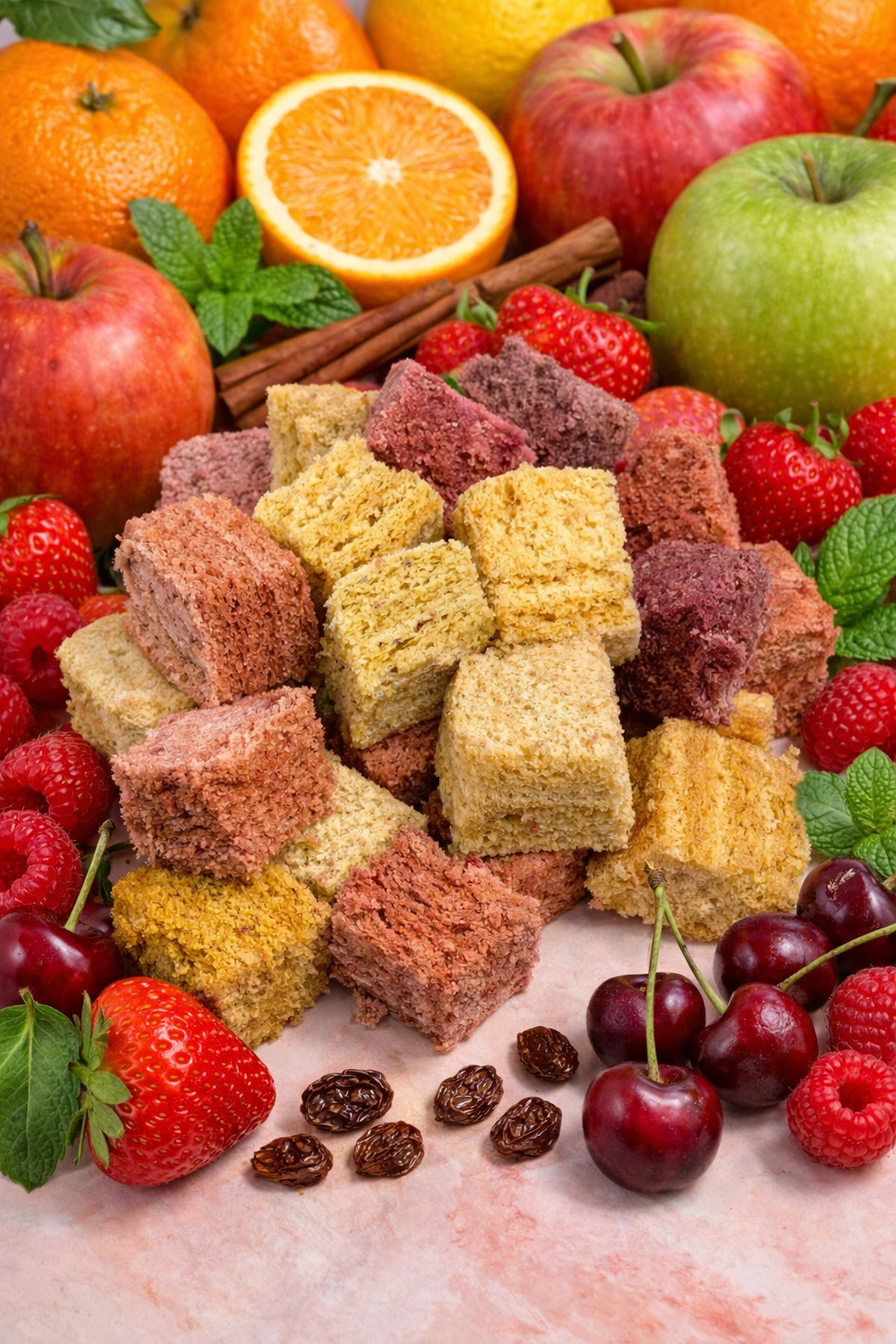
For a gathering, serve a shared pot of soup or a squash-and-lentil bake with crisp salad, bread or a suitable gluten-free alternative, and an apple-based dessert. A colorful snack mix offers a ready-to-serve option alongside the meal.
K'Apples mix brings together flavors including classic apple cinnamon and apple with blueberry, lime, and mint. It comes in several listed sizes and mix options, and the listed price is 7, making it a convenient snack to put out for guests.
Seasonal comfort food also welcomes regional and international touches. Keep the apple, squash, or beans at the center, then shift the character with herbs, citrus, curry spices, or a different crunchy topping; the base ingredients remain familiar while the seasoning changes the direction of the meal.
Frequently Asked Questions
What is the next big food craze for fall?
Our bet is on comfort dishes that pair familiar fruit and vegetables with a savory twist, such as apple in a bean stew or squash with herbs and toasted seeds. That approach keeps the seasonal flavor recognizable while giving cooks room to make it their own.
Can I freeze pumpkin or butternut squash soup?
Yes, freeze the soup in meal-sized portions after it has cooled, leaving a little space at the top of each container for expansion. Thaw it in the refrigerator and stir it as it reheats to bring the texture back together.
How can I keep apple crumble from becoming too sweet?
If the crumble is already baked, serve it with plain yogurt or unsweetened crème fraîche for a tangy contrast. For individual portions, a few chopped toasted nuts also add a pleasantly dry, savory edge.
Which herbs pair well with roasted squash?
Rosemary and marjoram are good alternatives when you want a more resinous or gently floral herbal note. Add delicate herbs such as parsley after roasting so their fresh aroma remains clear.
What can I serve alongside a hearty fall casserole?
A sharp cabbage slaw or lightly dressed bitter greens can cut through a rich, soft-textured bake. For a more substantial spread, offer a bowl of olives or pickled vegetables as a bright, salty counterpoint.
See also: K Extra New Photo, K'Apples. All the flavours.
Conclusion
Familiar fall flavors return as seasonal comfort food through apples, pumpkin, squash, warming spices, and savory herbs, but the best seasonal meals do not rely on one flavor or one cooking style. We can keep classics welcoming with balanced seasoning, practical substitutions, and plant-forward ingredients, then add an easy apple-and-cinnamon snack when we want a simple taste of fall.
