
· By www.kapples.ch
Metabolic Performance and Glycemic Control: How Exercise and Fueling Work Together
Metabolic Performance and Glycemic Control depend on how exercise, food, recovery, and diabetes treatment interact, not on one ideal glucose reading or one universal fueling rule. We can make better decisions by matching fuel to the session and looking for patterns over time.
Key Takeaways
- Exercise changes glucose in different ways. Moderate aerobic activity often lowers blood glucose, while brief, intense efforts can temporarily raise it.
- Workout demands shape fuel use. The body relies more on carbohydrate as intensity rises, and long or demanding sessions make stored muscle glycogen more important.
- Use GI and serving size together. Glycemic index describes a food’s glucose response under a standardized comparison; glycemic load also reflects the amount eaten.
- Read glucose monitoring in context. Consider movement, recent food, medication, hydration, and symptoms rather than reacting to one measurement.
- Build a personal pattern. Our guides to steady energy and metabolic health and precision fueling and glucose stability offer further ideas for thinking about everyday fueling.
- Plan for recovery as well as training. After a demanding session, carbohydrate, protein, fluids, and continued attention to glucose can all matter.
How exercise changes blood glucose and insulin sensitivity
During moderate aerobic exercise, working muscles can take up more glucose to meet their energy needs. Blood glucose may therefore fall, although the size and direction of the change depend on starting glucose, recent food, exercise duration, and medication.
Short, intense efforts such as sprints or heavy resistance sets can have a different immediate effect. Stress hormones can prompt the liver to release glucose, so a temporary post-exercise rise does not by itself mean that exercise harmed metabolic health.
After activity, muscles can remain more sensitive to insulin as they restore fuel and recover. That means glucose may continue to change after the workout ends, with the timing and size of the response varying between people and sessions.
Separate a short-term fuel shift or glucose reading from lasting metabolic change. Glycemic control and metabolic performance are better judged through patterns over time and meaningful health and training outcomes than through one moment on a meter.
For a steadier view of everyday energy and exercise, our natural apple snack nutrition chart provides a way to explore snack information alongside broader fueling choices.
How workout intensity and duration shift the body’s fuel mix
At lower exercise intensities, the body generally uses a greater proportion of fat for energy. As intensity rises, carbohydrate use increases because it can provide energy more rapidly for harder efforts.
This change in substrate oxidation, the use of fuels such as fat and carbohydrate, is a normal response to exercise demands. Using more fat during a session does not automatically mean better performance, weight outcomes, or metabolic health.
Longer sessions draw more heavily on stored carbohydrate, especially muscle glycogen. A short, easy workout may not need the same fueling approach as prolonged endurance exercise, where running low on available carbohydrate can make it harder to sustain pace and effort.
Resistance training has its own fuel demands. Repeated hard sets use carbohydrate even when rest periods separate efforts, so athletes who lift still need to consider carbohydrate availability alongside total training load.
Match food and timing to the session’s duration, intensity, and goal. This is the practical point of carbohydrate periodization: adjusting carbohydrate availability to training demands rather than cutting it across the board or treating every workout alike.
Match carbohydrate timing and type to the session
For prolonged or demanding training, plan carbohydrate before exercise and, when it helps sustain effort, during the session. Choose an amount based on the workout’s length and intensity, your tolerance, and your individual needs.
The glycemic index (GI) compares the blood-glucose response to a set amount of available carbohydrate. Glycemic load (GL) also accounts for the amount eaten, so a low-GI classification alone cannot predict the effect of every portion or mixed meal.
A fast-digesting carbohydrate can be useful before or during a hard or prolonged workout when rapid fuel is the goal. For other situations, a snack’s portion, timing, and place in the wider meal matter alongside the food’s GI.
To compare snack categories, use our fruit snack glycemic index comparison chart and glycemic load snack chart as reading aids, not as substitutes for matching fuel to a training session.
Our K'Apples mix is a colourful mix of K'Apples flavours with size options from 50 g to 350 g and mixes including Forest berries, Oriental fusion, and general mix. At $7, it suits readers who want fruit-based variety to portion around their own training schedule.

For the definition used in the infographic, Nutrients classifies low-GI foods as those with a GI of 55 or less. That threshold describes the category; it does not tell you how much carbohydrate a serving contains or how a specific workout will affect your glucose.
Read glucose data in the context of movement and meals
Interpret a glucose result alongside exercise intensity and duration, recent food, hydration, medication, and symptoms. The same number can mean different things before a workout, during steady movement, or after a hard interval session.
A continuous glucose monitor estimates glucose in interstitial fluid rather than measuring blood glucose directly. Because interstitial readings can lag behind blood-glucose changes, particularly during rapid shifts, a sensor movement is not always an immediate real-time picture.
Look for repeated patterns across comparable workouts, such as similar sessions at similar times and with similar meals. That approach helps distinguish a recurring response from the variation of one day and avoids changing a training or treatment plan in response to one reading.
Use glucose monitoring to learn how your body responds, then discuss recurring highs, lows, or symptoms with a qualified clinician. A device can provide useful information, but it does not replace medical advice.
Plan workouts around diabetes treatment and low-glucose risk
People who use insulin or another medication that can cause hypoglycemia may need a different pre-exercise plan from people whose treatment carries little low-glucose risk. Coordinate exercise and treatment decisions with your diabetes care team rather than making medication changes based on a general fueling rule.
For steady aerobic activity, consider how much time has passed since a meal or insulin dose. Recent food and medication can combine with increased muscle glucose uptake during exercise, affecting the chance of a low.
Brief high-intensity training can produce a different glucose pattern from a moderate endurance session. A temporary rise after intense work is not the same situation as a falling reading during prolonged activity, so avoid assuming that both call for the same response.
If hypoglycemia is possible, plan access to fast-acting carbohydrate. Stop to address symptoms or concerning readings instead of pushing through them, and use the plan agreed with your healthcare team.
Support recovery and adaptation beyond the workout
After a demanding or long session, include carbohydrate to replenish glycogen and protein to support muscle repair. The amount and timing depend on the training load and how soon the next session begins.
Keep paying attention to glucose after exercise. Increased insulin sensitivity and the effects of prior treatment can contribute to later changes, including delayed lows for some people with diabetes.
Fluids and regular meals are also part of recovery. Hydration needs rise with heat, workout duration, and sweat loss, while protein, fats, and micronutrient-rich foods help make the overall diet adequate for training.
Our K'Apples. All the flavours is a selection of apple-based snacks in multiple flavours, with 65 g and 100 g size options and one-time or subscription purchases. At $10, it offers flavour variety for people who want to plan a portion into a broader recovery meal or snack routine.
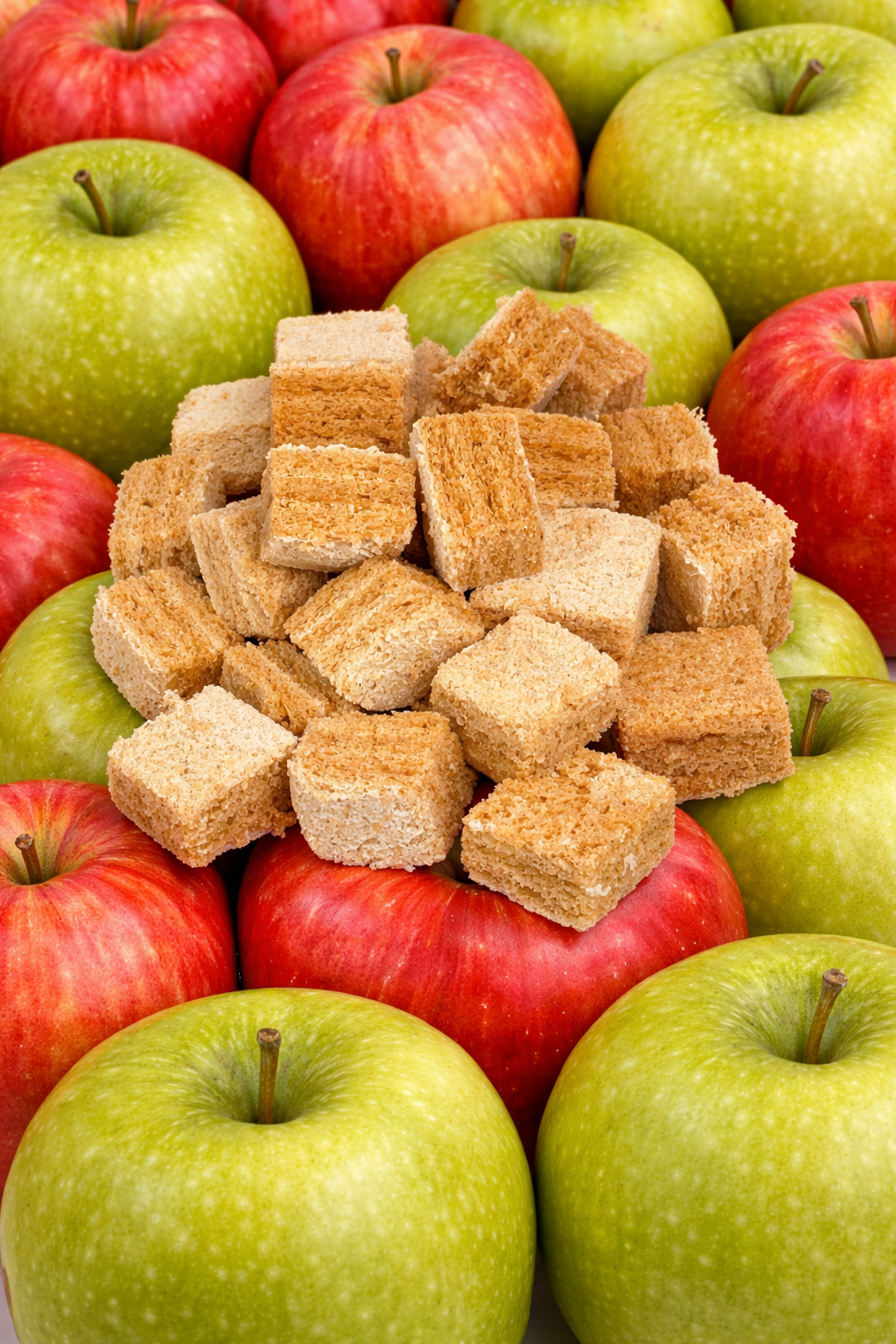
We make our products 100% natural, without gluten or added sugar, use no chemicals, and try to use local ingredients.
Read adaptation through progress across repeated training and recovery, not through a single glucose reading or a short-term change in fat use. The most useful fueling approach is one that supports the work you do and fits your health needs.

Explore additional product selections and award information
K'Apples all-flavours options: All-flavours selection; Apple snack flavour selection; Fruit flavour selection; K'Apples selection; Apple-based snack selection; Flavour assortment; K'Apples flavour option; All-flavours pack option; Apple snack pack option; Fruit snack pack option; K'Apples flavour pack; Apple-based flavour pack; Flavour assortment option; K'Apples apple selection; Apple snack assortment; Fruit flavour assortment; K'Apples variety option; All-flavours variety; Apple snack variety; Fruit snack selection; K'Apples pack selection; Apple flavour assortment; Fruit-based snack assortment; K'Apples flavour assortment; Apple snack option; Fruit flavour option; K'Apples selection option; Apple-based assortment; Fruit snack variety; All-flavours snack option.
K'Apples mix options: Fruit mix selection; K'Apples mix option; Fruit assortment option.
Additional apple snack links: K'Apples Maxi Kit; K'Apples Maxi Kit selection; Apple snack kit option; K'Apples kit option; Fruit snack kit selection; Maxi Kit option; K'Extra apple snack pieces; K'Extra product image.
K'Sticks apple bar options: K'Sticks apple bar; Apple bar selection; K'Sticks flavour option; Fruit bar selection; Apple-based bar option; K'Sticks bar option; Fruit bar flavour; Apple bar flavour; K'Sticks selection; Apple fruit bar; Bar assortment; K'Sticks bar selection; Fruit-based bar flavour; Apple bar assortment; K'Sticks bar flavour option; Apple snack bar option; Fruit bar option; K'Sticks apple bar option; Apple bar variety; K'Sticks flavour selection; Fruit bar variety; Apple bar variety option; K'Sticks fruit bar selection; Apple-based bar selection.
Other product-format links: M'Apples assortment; Apple jelly option; M'Apples selection; Cooked apple jelly option; Apple and chocolate jelly assortment; Nuages selection; Apple snack assortment; Nuages option; Fruit snack format; Nuages fruit selection; Apple snack option; Mystery K'Apples option.
Frequently Asked Questions
Is type 2 diabetes considered a metabolic disorder?
Yes. Type 2 diabetes is a metabolic disorder involving problems with how the body regulates blood glucose, often connected with insulin resistance and changes in insulin production.
Is metabolic flexibility the same as metabolic rate?
No. Metabolic flexibility describes how the body adjusts its use of carbohydrate and fat as conditions change, while metabolic rate refers to the amount of energy the body uses over time.
Can a fasted workout improve metabolic health?
A fasted session can change which fuels the body uses during that workout, but that immediate shift does not by itself establish a lasting health benefit. For performance, the key question is whether the session’s intensity and duration are compatible with exercising without a meal.
Why can glucose change several hours after exercise?
Muscles continue restoring fuel after a workout, and the body’s response to insulin can remain altered during recovery. For people using glucose-lowering medication, those later processes can interact with treatment and contribute to a delayed change.
Does glycemic index describe how much carbohydrate is in a serving?
No, GI does not tell you the grams of carbohydrate in your portion. For a practical meal decision, use the serving’s carbohydrate information alongside the food’s GI and the rest of the meal.
Conclusion
Metabolic Performance and Glycemic Control improve as a decision-making process when we match carbohydrate and recovery to exercise demands, account for diabetes treatment, and read glucose changes in context. Focus on repeatable patterns and meaningful progress rather than one reading, one fuel source, or one rule for every workout.
