
· द्वारा www.kapples.ch
ग्लाइसेमिक इंडेक्स की वास्तविकता: ताज़े सेब बनाम निर्जलित सेब के टुकड़े
2026 में लोग अब केवल यह नहीं पूछ रहे कि “क्या यह फल है?”, बल्कि यह भी पूछ रहे हैं कि इसका रक्त शर्करा पर क्या प्रभाव पड़ता है, और इसी कारण ग्लाइसेमिक इंडेक्स की वास्तविकताएँ: ताज़े सेब बनाम निर्जलित सेब के क्यूब्स का प्रश्न आज महत्वपूर्ण है। सबसे बड़ा आश्चर्य यह है कि प्रसंस्करण से सेबों का ग्लाइसेमिक प्रभाव अधिकांश लोगों की अपेक्षा से कहीं अधिक बढ़ सकता है।
मुख्य निष्कर्ष
| क्या जानना ज़रूरी है | 2026 के लिए व्यावहारिक निष्कर्ष |
|---|---|
| ताज़े सेब कम GI सीमा में होते हैं | अधिकांश लोगों के लिए, स्थिर ऊर्जा बनाए रखने हेतु ताज़ा फल आसान “रोज़मर्रा का विकल्प” है। |
| निर्जलीकरण से GI का अनुभव बदल सकता है | क्यूब्स अपने-आप “बेहतर” नहीं होते, क्योंकि बनावट और सांद्रता ग्लूकोज़ प्रतिक्रिया को प्रभावित करती हैं। |
| परिणामों पर मात्रा का आकार अब भी असर डालता है | “प्राकृतिक” स्नैक्स भी रक्त शर्करा को तेज़ी से बढ़ा सकते हैं, अगर आप अधिक मात्रा में खाएँ (या तेज़ी से खाएँ)। |
| साथ में लेना और सही समय मददगार होता है | इसे प्रोटीन के साथ लें या ऐसा स्नैक प्रारूप चुनें जिसे धीमे अवशोषण के लिए तैयार किया गया हो। |
| प्राकृतिक सामग्री से फर्क पड़ता है | हम 100% प्राकृतिक उत्पाद पर ध्यान देते हैं, जिसमें कोई रसायन नहीं होते, और बिना ग्लूटेन, बिना अतिरिक्त चीनी वाले प्राकृतिक उत्पाद के दृष्टिकोण को अपनाया जाता है। |
| रोज़ाना स्नैकिंग के लिए विकल्प बदलकर देखें | अगर आप साथ ले जाने योग्य सेब का स्नैक चाहते हैं, तो हमारी सेब स्नैक रेंज जैसे विकल्प देखें। |
- GI सभी के लिए एक ही संख्या नहीं है, और ग्लाइसेमिक इंडेक्स की वास्तविकताएँ: ताज़े सेब बनाम निर्जलित सेब के क्यूब्स इस बात से प्रभावित होती हैं कि सेब को किस तरह तैयार किया गया है।
- ताज़े सेब आम तौर पर कम GI सीमा में होते हैं, जिससे कई लोगों में रक्त शर्करा का स्तर अधिक स्थिर बना रह सकता है।
- निर्जलित सेब के क्यूब्स ताज़े फल की तुलना में ग्लाइसेमिक प्रतिक्रिया को बढ़ा सकते हैं।
- फाइबर महत्वपूर्ण है, लेकिन इसकी अधिक सांद्रता और पाचन की गति अपेक्षाओं को बदल सकती है।
- परिवारों और खिलाड़ियों के लिए, हम ऐसे सुविधाजनक प्रारूप तैयार करते हैं जो केवल लालसा नहीं, बल्कि दिनचर्या में भी आसानी से फिट हों, जिनमें बच्चों के लिए स्नैक और खेलों के लिए स्नैक शामिल हैं।
- जब आप ऐसा स्नैक चाहते हैं जो रोज़मर्रा के पोषण लक्ष्यों के अनुरूप हो, तो बिना ग्लूटेन, बिना अतिरिक्त चीनी वाला प्राकृतिक उत्पाद महत्वपूर्ण होता है।
ताज़े सेबों का GI पैमाने पर स्कोर 28–44 होता है, लेकिन निर्जलित क्यूब्स का स्कोर 86 तक बढ़ सकता है।
ग्लाइसेमिक इंडेक्स की वास्तविकताएँ: ताज़े सेब बनाम निर्जलित सेब के क्यूब्स में “GI” का वास्तविक अर्थ
जब हम ग्लाइसेमिक इंडेक्स की वास्तविकताएँ: ताज़े सेब बनाम निर्जलित सेब के क्यूब्स की बात करते हैं, तो हमारा आशय यह है कि भोजन में मौजूद कार्बोहाइड्रेट रक्त शर्करा को कितनी जल्दी बढ़ा सकते हैं। GI को आम तौर पर भोजन की तुलना एक संदर्भ (जैसे ग्लूकोज़) से करके मापा जाता है, इसलिए यह फल की “प्राकृतिक” छवि से अधिक उसके पाचन और अवशोषण की गति को दर्शाता है।
इसीलिए एक ही सेब को अलग-अलग तरीके से तैयार करने पर ग्लाइसेमिक अनुभव अलग हो सकता है। 2026 में, अधिक परिवार केवल स्वाद की तुलना नहीं कर रहे हैं, बल्कि यह भी देख रहे हैं कि कोई स्नैक वास्तविक जीवन में रक्त शर्करा के लक्ष्यों के साथ कैसे मेल खाता है—खासकर उन परिवारों में जहाँ बच्चे अक्सर स्नैक खाते हैं और वयस्क अपनी दिनचर्या ऊर्जा को स्थिर रखने के अनुसार बनाते हैं।
यहाँ सोच में मुख्य बदलाव ज़रूरी है: प्रसंस्करण भोजन की संरचना को बदल देता है। जब सेब ताज़ा होता है, तो उसमें अधिक पानी और अलग बनावट होती है, जो पाचन को धीमा कर सकती है। जब उसे क्यूब्स में डिहाइड्रेट किया जाता है, तो कार्बोहाइड्रेट अधिक सघन हो जाते हैं और निवाला अक्सर अधिक सूखा होता है, जिससे ग्लूकोज़ कितनी जल्दी उपलब्ध होता है, यह बदल सकता है।
ताज़े सेब: कम-GI होने की अपेक्षा, जो आमतौर पर सही साबित होती है
ताज़े सेब अक्सर कम GI रेंज (लगभग 28–44) में होते हैं, और यही एक कारण है कि वे कई लोगों की पहली पसंद बने रहते हैं। अधिकांश स्नैक के समय, ताज़े सेब की मात्रा तय करना, उन्हें चबाना और अन्य खाद्य पदार्थों के साथ लेना आसान होता है, जिससे कार्बोहाइड्रेट की मात्रा ज़रूरत से ज़्यादा नहीं बढ़ती।
हमें ताज़े सेब इसलिए भी पसंद हैं क्योंकि वे केवल स्वाद ही नहीं, बल्कि स्वस्थ स्नैक की हमारी सोच से भी मेल खाते हैं। हमारा दृष्टिकोण सरल है: ग्लूटेन रहित, बिना अतिरिक्त चीनी वाला प्राकृतिक उत्पाद, जो स्थानीय सेब और अंडे की सफेदी से बनाया गया है और हमारे 100% प्राकृतिक उत्पाद में किसी रसायन का उपयोग नहीं किया गया है।
वास्तविक स्नैक दिनचर्या में, ताज़े सेब नाश्ते और दोपहर के बीच के ब्रेक के साथ स्वाभाविक रूप से लिए जाते हैं—चाहे जल्दी कुछ चाहने वाली माताएँ हों या खेल-कूद के दिनों में सुविधाजनक और समय-सारणी के अनुकूल भोजन की ज़रूरत वाले बच्चे। केवल GI संख्या ही सब कुछ नियंत्रित नहीं करती, लेकिन ताज़े सेब लोगों को एक अधिक सुरक्षित आधार देते हैं।
डिहाइड्रेटेड सेब के क्यूब्स: वे अलग तरह से क्यों प्रभाव डाल सकते हैं (भले ही सामग्री एक जैसी दिखे)
डिहाइड्रेटेड सेब के क्यूब्स एक सरल बदलाव जैसे लगते हैं, लेकिन ग्लाइसेमिक इंडेक्स की वास्तविकता: ताज़े सेब बनाम डिहाइड्रेटेड सेब के क्यूब्स में यह मिथक टूटता है। सुखाने से पानी निकल जाता है, कार्बोहाइड्रेट सघन हो जाते हैं और शरीर आपके खाए हुए भोजन को कितनी जल्दी संसाधित करता है, यह बदल सकता है।
यही संयोजन बताता है कि कुछ लोगों में डिहाइड्रेटेड सेब के क्यूब्स GI पैमाने पर काफी ऊपर क्यों जा सकते हैं। अगर आप इसके साथ कई मुट्ठियाँ भी खा लेते हैं (जो आसानी से हो जाता है क्योंकि क्यूब्स स्नैक के रूप में सुविधाजनक होते हैं), तो आप कार्बोहाइड्रेट की मात्रा और उसके शरीर में पहुँचने की गति—दोनों बढ़ा रहे होते हैं।
2026 में, उपभोक्ताओं की दिनचर्या में हमें बार-बार एक ही पैटर्न दिखाई दे रहा है: लोग आसानी से साथ ले जाने के लिए “सूखे” स्नैक्स चुनते हैं, लेकिन वे हमेशा यह ध्यान नहीं रखते कि बनावट और पोषक तत्वों की सघनता ग्लाइसेमिक प्रतिक्रिया को कैसे बदल सकती है। अगर आप रक्त शर्करा को अधिक स्थिर रखना चाहते हैं, तो आप दो व्यावहारिक नियंत्रण अपना सकते हैं: मात्रा और साथ में लिया जाने वाला भोजन।
- मात्रा पर नियंत्रण: “मन के हिसाब से स्नैकिंग” करने के बजाय सर्विंग गिनें।
- साथ में: इसे प्रोटीन के साथ लें या धीमे अवशोषण के लिए बनाए गए स्नैक का विकल्प चुनें।
- सचेत गति: धीरे-धीरे चबाएँ, खासकर सूखे हुए टुकड़ों को।
और अगर आपका लक्ष्य “बिना अतिरिक्त चीनी” है, तो केवल सुखाने की प्रक्रिया यह सुनिश्चित नहीं करती कि आपके रक्त शर्करा पर इसका प्रभाव कैसा होगा। इसलिए हम ग्लूटेन-रहित, बिना अतिरिक्त चीनी वाले प्राकृतिक उत्पाद के सिद्धांतों और साफ़-सुथरी सामग्री सूची पर ध्यान केंद्रित करते हैं।
GI बनाम ग्लाइसेमिक लोड: ग्लाइसेमिक इंडेक्स की वास्तविकताओं में छूटा हुआ हिस्सा
GI हमें सापेक्ष गति बताता है, लेकिन ग्लाइसेमिक लोड (GL) यह समझने में मदद करता है कि एक सर्विंग में वास्तव में कितना कार्बोहाइड्रेट है। इसलिए समान GI मान वाले दो खाद्य पदार्थ अलग-अलग मात्रा में खाने पर बहुत अलग महसूस हो सकते हैं।
उदाहरण के लिए, एक मध्यम आकार के सेब का ग्लाइसेमिक लोड (GL) अक्सर बहुत कम, लगभग 6, बताया जाता है, लेकिन जब सेबों को सुखाकर क्यूब्स बनाया जाता है, तो उतनी ही “मात्रा” में अधिक कार्बोहाइड्रेट हो सकते हैं। यही एक मुख्य कारण है कि ग्लाइसेमिक इंडेक्स की वास्तविकताएँ: ताज़े सेब बनाम सूखे सेब के क्यूब्स का मूल्यांकन इस आधार पर किया जाना चाहिए कि “मैं वास्तव में कितना खाऊँगा?”, न कि केवल “GI लेबल क्या है?”
व्यावहारिक रूप से, हम चाहते हैं कि परिवारों को स्नैक चुनते समय लगातार हिसाब-किताब न करना पड़े। इसलिए हम उत्पादों को जटिल निर्णयों के बजाय सरल विकल्पों के रूप में तैयार करते हैं, जिनमें बच्चों के लिए स्नैक, माताओं के लिए स्नैक और खेल-कूद के लिए स्नैक शामिल हैं।
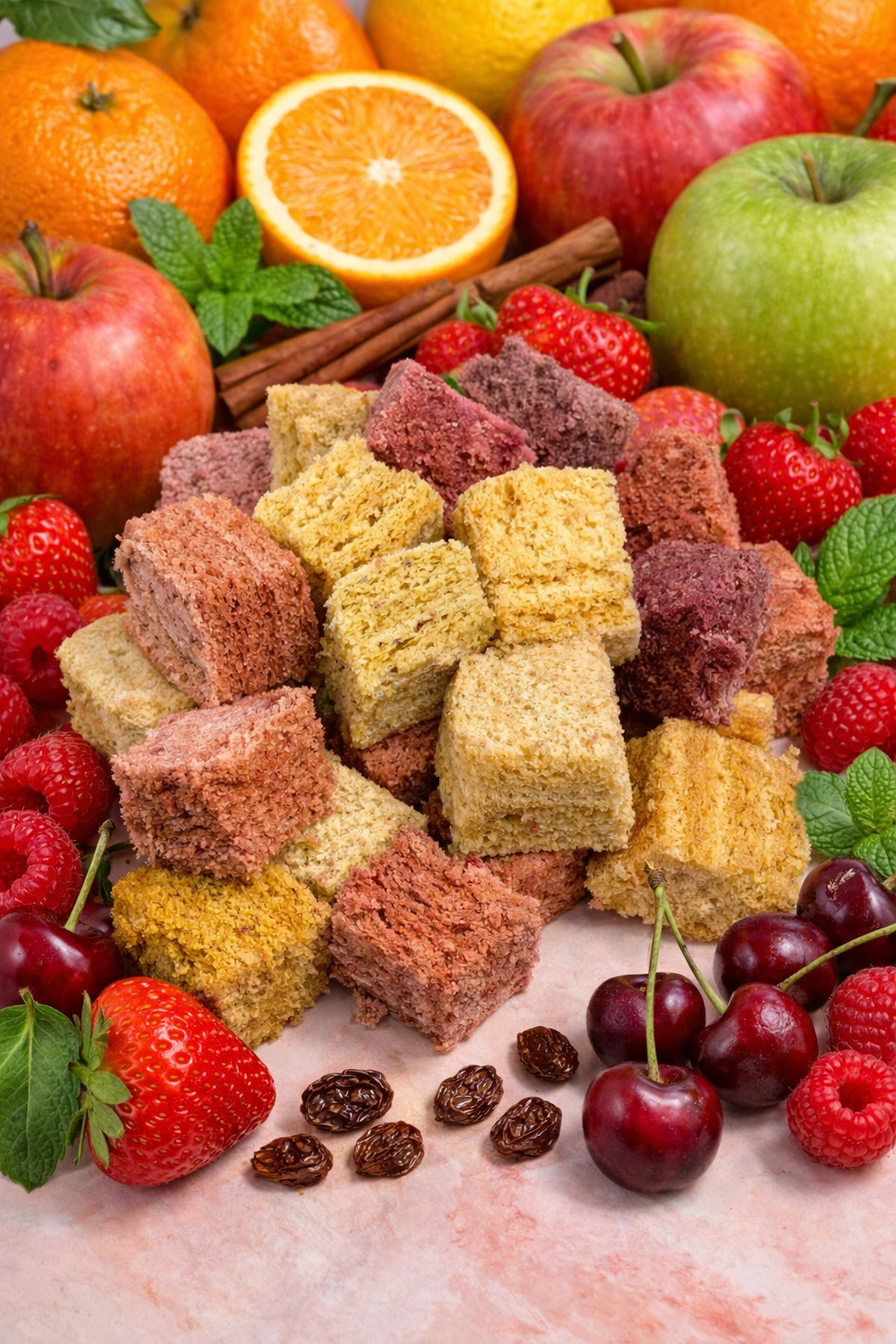
2026 में नियमित दिनचर्या के लिए बेहतर “सेब स्नैक” विकल्प हम कैसे तैयार करते हैं
हम जानते हैं कि लोग अब भी सेब का स्वाद चाहते हैं, और ऐसा प्रारूप भी चाहते हैं जो स्कूल की सुबह, आने-जाने और ट्रेनिंग वाले दिनों के लिए सुविधाजनक हो। इसलिए हमारा लक्ष्य एक सेहतमंद स्नैक देना है, जो रोज़मर्रा की पोषण संबंधी प्राथमिकताओं के अनुरूप हो, जिसमें ग्लूटेन-रहित, बिना अतिरिक्त चीनी वाला प्राकृतिक उत्पाद शामिल है।
हमारे उत्पाद स्विट्ज़रलैंड के स्थानीय सेबों से बनाए जाते हैं और इनका आधार सरल है—सेब और अंडे की सफेदी। हम अपने 100% प्राकृतिक उत्पाद में कोई रसायन नहीं इस्तेमाल करते और सामग्री की सूची को छोटा, आसानी से पहचानी जाने वाली और एकसमान रखने की कोशिश करते हैं।
जब लोग पैकेज्ड स्नैक चुनते हैं, तो वे अक्सर उसे इसलिए चुनते हैं क्योंकि वह अनुमानित होता है। 2026 में, अनुमानित स्नैकिंग ही लोगों को अपनी योजना पर वास्तव में टिके रहने में मदद करती है। अगर आप हमारे स्वादों को आज़माना चाहते हैं, तो शुरुआत इनसे कर सकते हैं:
- K'Apples। सभी स्वाद सेब-आधारित स्वादों की विविधता के लिए
- Melange de fruits जब आप एक ही बैग में विविधता चाहते हों
- K'Sticks। सेहतमंद सेब बार अगर आपको ऐसा बार चाहिए जिसे लेकर आप चलते-फिरते खा सकें
क्योंकि Glycemic Index Realities: Fresh Apples vs Dehydrated Apple Cubes की चर्चा अंततः वास्तविक जीवन से जुड़ी है, इसलिए हम अपने स्नैक प्रारूप उन क्षणों के लिए बनाते हैं जब लोग वास्तव में खाते हैं। इसमें बच्चों के लिए स्नैक शामिल है, जिन्हें गतिविधियों के बीच आसानी से खाया जाने वाला विकल्प चाहिए, माताओं के लिए स्नैक, जिन्हें कुछ तुरंत चाहिए, और खेलकूद के लिए स्नैक की दिनचर्याएँ, जिनमें साथ ले जाने की सुविधा आवश्यक होती है।
सबसे अच्छा विकल्प चुनने की सलाह: ताज़ा सेब, निर्जलित टुकड़े या हमारे साफ़-सुथरे सेब स्नैक?
हर व्यक्ति के लिए एक ही उत्तर नहीं हो सकता, लेकिन Glycemic Index Realities: Fresh Apples vs Dehydrated Apple Cubes के सवाल के लिए हम एक व्यावहारिक निर्णय नियम दे सकते हैं। अगर आपकी प्राथमिकता सबसे कम ग्लाइसेमिक प्रभाव है, तो ताज़े सेब से शुरुआत करें। अगर आप निर्जलित टुकड़े चुनते हैं, तो मात्रा और खाने की गति को अनिवार्य नियंत्रण मानें।
और अगर आप ऐसा सेब-आधारित स्नैक चाहते हैं जिस पर भरोसा किया जा सके, तो हम अपनी रेंज को 2026 में लोगों की पसंदीदा आदतों के अनुरूप बनाते हैं, जैसे अचानक लिए जाने वाले विकल्पों को कम करने के लिए स्नैक साथ रखना। हम यह भी सुनिश्चित करते हैं कि हमारा उत्पाद उन सिद्धांतों के अनुरूप रहे जिनकी माँग कई परिवार करते हैं, ग्लूटेन रहित बिना अतिरिक्त चीनी प्राकृतिक उत्पाद स्थानीय सेब स्वास्थ्यवर्धक स्नैक स्वास्थ्यवर्धक स्नैक बार बच्चों के लिए स्नैक माताओं के लिए स्नैक खेलकूद के लिए स्नैक।
- ताज़े सेब चुनें जब आप GI के अनुकूल सबसे सरल विकल्प और मात्रा पर आसान नियंत्रण चाहते हों।
- निर्जलित सेब के टुकड़े सावधानी से चुनें जब आप सीधे पैकेट से स्नैक करते हैं, क्योंकि अधिक सघनता और तेज़ी से खाना ग्लूकोज़ प्रतिक्रिया बढ़ा सकता है।
- अधिक स्थिर दिनचर्या के लिए बनाए गए सेब के स्नैक चुनें जब आपको निरंतरता, साफ़-सुथरी सामग्री सूची और रोज़मर्रा में आसानी से साथ ले जाने योग्य प्रारूप चाहिए।
अगर आप उपयोग के अनुसार हमारे स्नैक प्रारूपों की तुलना करना चाहते हैं, तो देखें:
- K'Sticks. सेब से बने स्वास्थ्यवर्धक बार बार के विकल्प के रूप में
- Nuages aux 3 au 4 au 5 जब आप दिनचर्या के अनुकूल प्रारूप में नरम बाइट्स चाहते हों
- M'Apples. पके हुए सेब की जेली एक और आसानी से साथ ले जाने योग्य विकल्प के रूप में
2026 में लोग जिन वास्तविक संख्याओं का उपयोग कर रहे हैं, उनके साथ GI की वास्तविकता की जाँच
2026 की बातचीत में हम बार-बार यही सवाल सुनते हैं, “इसमें वास्तव में कितना बदलाव आ सकता है?” यहीं संख्याओं का अंतर इतना महत्वपूर्ण हो जाता है। ताज़े सेब आमतौर पर कम GI श्रेणी में होते हैं, जबकि निर्जलित सेब के टुकड़े कहीं अधिक मान तक पहुँच सकते हैं।
इसे व्यावहारिक बनाए रखने के लिए, हम इस बात पर ध्यान देते हैं कि GI और आपकी परोसने की मात्रा एक साथ कैसे काम करते हैं। यदि आप निर्जलित सेब के टुकड़े खा रहे हैं, तो आपको ऊर्जा में तेज़ उछाल महसूस हो सकता है। यदि आप धीमे और स्थिर स्नैक अनुभव का लक्ष्य रखते हैं, तो हम इन्हें अन्य खाद्य पदार्थों के साथ लेने की रणनीति अपनाने या ऐसे प्रारूप चुनने का सुझाव देते हैं जो नियमित दिनचर्या बनाए रखने में सहायक हों।
यही रेंज वह कारण है जिसकी वजह से हम “ताज़ा बनाम निर्जलित” को गंभीरता से लेते हैं। बनावट और तैयारी बदलने पर सेब “एक जैसे” नहीं रहते। ग्लाइसेमिक इंडेक्स की वास्तविकता: ताज़े सेब बनाम निर्जलित सेब के टुकड़े का निष्कर्ष यह है कि प्रसंस्करण के आधार पर आपका शरीर अलग तरह से प्रतिक्रिया दे सकता है।
पुरस्कार और नवाचार की भूमिका: यूरोप 2026 के लिए हमारा लक्ष्य एक अधिक शुद्ध सेब स्नैक
भोजन का चुनाव भावनात्मक होता है, लेकिन सामग्री फिर भी महत्वपूर्ण होती है। हम रोज़मर्रा की ज़िंदगी में सेब स्नैक के अनुभव और उपयोगिता को बेहतर बनाने पर लगातार काम कर रहे हैं, और 2026 में हमें गर्व है कि हमारे काम को नवाचार और स्वाद के लिए पहचान मिली है।
हमें स्विट्ज़रलैंड में 2023 और 2024 में नवाचार पुरस्कार मिला है। हमें यूरोप में 2026 का नवाचार पुरस्कार भी मिला। इसके अलावा, 2026 में यूरोप में हमें सेब और दालचीनी वाले K'Apples के लिए स्वर्ण और रास्पबेरी और स्ट्रॉबेरी फ्लेवर के लिए रजत मिला।
इसलिए जब हम रोज़मर्रा की पसंद को बेहतर बनाने के लिए अपने सेब स्नैक्स का सुझाव देते हैं, तो हम केवल ग्लूटेन-रहित, बिना अतिरिक्त चीनी वाला, प्राकृतिक उत्पाद, स्थानीय सेब, स्वास्थ्यवर्धक स्नैक जैसी सामग्री की बात नहीं कर रहे होते। हम स्नैक तैयार करने के एक संपूर्ण तरीके की बात कर रहे होते हैं—जिसमें यह भी शामिल है कि यह बच्चों के लिए स्नैक के रूप में कितना सुविधाजनक है, माताओं के लिए स्नैक के रूप में कितना व्यावहारिक है, और खेलों के लिए स्नैक के रूप में कितना उपयुक्त है।
अगर आप पूरी रेंज देखना चाहते हैं, तो यहां वे उत्पाद पेज हैं जिन्हें आप खोल सकते हैं:
- K'Apples। सभी फ्लेवर (विविध पैक)
- K'Apples। सभी फ्लेवर (विशेष मिश्रण)
- K'Apples। सभी फ्लेवर (फ्लेवर चयन)
- जब आप स्टॉक करना चाहें, तो K'Apples Maxi Kit
निष्कर्ष
ग्लाइसेमिक इंडेक्स की वास्तविकता: ताज़े सेब बनाम निर्जलित सेब के टुकड़े केवल “यह फल है” पर नहीं, बल्कि प्रसंस्करण और मात्रा पर निर्भर करती है। ताज़े सेब अक्सर कम GI सीमा में रहते हैं, जबकि निर्जलीकरण से ग्लाइसेमिक प्रतिक्रिया बढ़ सकती है। यही कारण है कि 2026 में समझदारी से स्नैक चुनने पर भोजन की संरचना और परोसने की मात्रा के साथ-साथ विचार किया जाता है।
हम स्थानीय सेबों से ग्लूटेन-रहित, बिना अतिरिक्त चीनी वाले प्राकृतिक उत्पाद के नाश्ते बनाते हैं, जिनमें हमारे 100% प्राकृतिक उत्पाद में कोई रसायन नहीं होता। इन्हें परिवारों, माताओं और एथलीटों की वास्तविक दिनचर्या के लिए डिज़ाइन किया गया है। अगर आप ऐसा सेब का नाश्ता चाहते हैं जिसे आसानी से साथ ले जाया जा सके और जो आपके दिन के अनुकूल हो, तो हमारे K'Sticks. सेब से बने स्वास्थ्यवर्धक बार देखें या K'Extra, सेब के बेहतरीन टुकड़े आज़माएँ।
अक्सर पूछे जाने वाले प्रश्न
2026 में रक्त शर्करा के लिए क्या ताज़े सेब निर्जलित सेब के टुकड़ों से बेहतर हैं?
ग्लाइसेमिक इंडेक्स की वास्तविकता: ताज़े सेब बनाम निर्जलित सेब के टुकड़े में बताया गया है कि ताज़े सेब आमतौर पर कम GI सीमा में आते हैं (अक्सर लगभग 28–44 बताया जाता है)। कुछ लोगों में निर्जलित टुकड़ों का GI इससे काफ़ी अधिक हो सकता है, क्योंकि सुखाने से कार्बोहाइड्रेट सघन हो जाते हैं और बनावट बदल जाती है; इसलिए मात्रा नियंत्रण बेहद महत्वपूर्ण हो जाता है।
क्या निर्जलित सेब के टुकड़ों का ग्लाइसेमिक इंडेक्स ताज़े सेब के समान होता है?
नहीं, ग्लाइसेमिक इंडेक्स की वास्तविकता: ताज़े सेब बनाम निर्जलित सेब के टुकड़े से पता चलता है कि प्रसंस्करण के साथ GI बदल सकता है। ताज़े फल की तुलना में निर्जलीकरण ग्लाइसेमिक प्रभाव बढ़ा सकता है, खासकर जब आप अधिक मात्रा खाते हैं या सीधे पैकेट से नाश्ता करते हैं।
मैं सूखे सेब के नाश्ते को अपने रक्त शर्करा के लिए अधिक स्थिर कैसे बना सकता हूँ?
सूखे सेब के नाश्ते को अधिक “स्थिर” महसूस कराने के लिए परोसने की मात्रा और साथ में खाई जाने वाली चीज़ों पर ध्यान दें। ग्लाइसेमिक इंडेक्स की वास्तविकता: ताज़े सेब बनाम निर्जलित सेब के टुकड़े की चर्चा में, प्रोटीन के साथ खाना और धीरे-धीरे चबाना कई लोगों में ग्लूकोज़ के तेज़ उछाल को कम करने में मदद कर सकता है।
2026 में बच्चों और माताओं के लिए रोज़मर्रा में सेब के नाश्ते का सबसे सुरक्षित विकल्प क्या है?
कई परिवार आसान मात्रा नियंत्रण के लिए ताज़े सेब पसंद करते हैं, लेकिन सुविधाजनक सेब का नाश्ता भी रोज़मर्रा की ज़रूरतों के अनुकूल हो सकता है। अगर आप पैक किया हुआ विकल्प चुनते हैं, तो ग्लूटेन-रहित, बिना अतिरिक्त चीनी वाला प्राकृतिक उत्पाद वाली सोच अपनाएँ, जो स्थानीय सेबों से बना हो और 100% प्राकृतिक उत्पाद में कोई रसायन न हो।
क्या सेब के नाश्ते के लिए “बिना अतिरिक्त चीनी” का अर्थ “कम ग्लाइसेमिक प्रभाव” ही होता है?
हमेशा नहीं। ग्लाइसेमिक इंडेक्स की वास्तविकता: ताज़े सेब बनाम निर्जलित सेब के टुकड़े इस बात पर निर्भर करती है कि ग्लूकोज़ कितनी जल्दी रक्त में पहुँचता है, और चीनी न मिलाए जाने पर भी निर्जलीकरण GI बढ़ा सकता है। परोसने की मात्रा और सेब को किस तरह संसाधित किया गया है, ये अक्सर ग्लाइसेमिक प्रतिक्रिया निर्धारित करते हैं।
एथलीटों को क्या चुनना चाहिए: ताज़े सेब या निर्जलित सेब के टुकड़े?
स्थिर दिनचर्या के लिए शुरुआत इस बात से करें कि आपका शरीर कैसे प्रतिक्रिया करता है और अपनी मात्रा नियंत्रित करें। अगर आपको जल्दी मिलने वाला, साथ ले जाने में आसान नाश्ता चाहिए, तो हम ऐसे विकल्प सुझाते हैं जो नियमितता के लिए बनाए गए हों और स्वस्थ नाश्ते के रूप में डिज़ाइन किए गए हों, जो खेलों के लिए नाश्ते की आदतों के अनुकूल हों और जिनमें आदर्श रूप से ग्लूटेन-रहित, बिना अतिरिक्त चीनी वाला प्राकृतिक उत्पाद की विशेषताएँ हों।
